The Netherlands Pavilion Osaka 2025
Asian Vernacular Practice – Reshaping Collective Experience with Future Narratives
Year:
2025
Location:
Osaka, Japan
Architect:
RAU Architects
Design Team:
Marta Roy, Esteban Serrano, Katarzyna Kędziorczyk
Guests on Earth
The Dutch pavilion in Osaka embodies a future- oriented philosophy in which energy, circularity, and our responsibility as “guests on Earth” are central. Our planet is a closed system, nothing new is added. Everything that doesn’t grow is limited. We face two fundamental challenges today that are different from 55 years ago at the Expo ‘70 Osaka: breaking free from the dependence on fossil energy and combating material waste. For this, the Dutch pavilion presents two fundamental solutions—not solutions that optimize the system, but that change it: a circular approach to materials and the utilization of inexhaustible, emission-free energy.
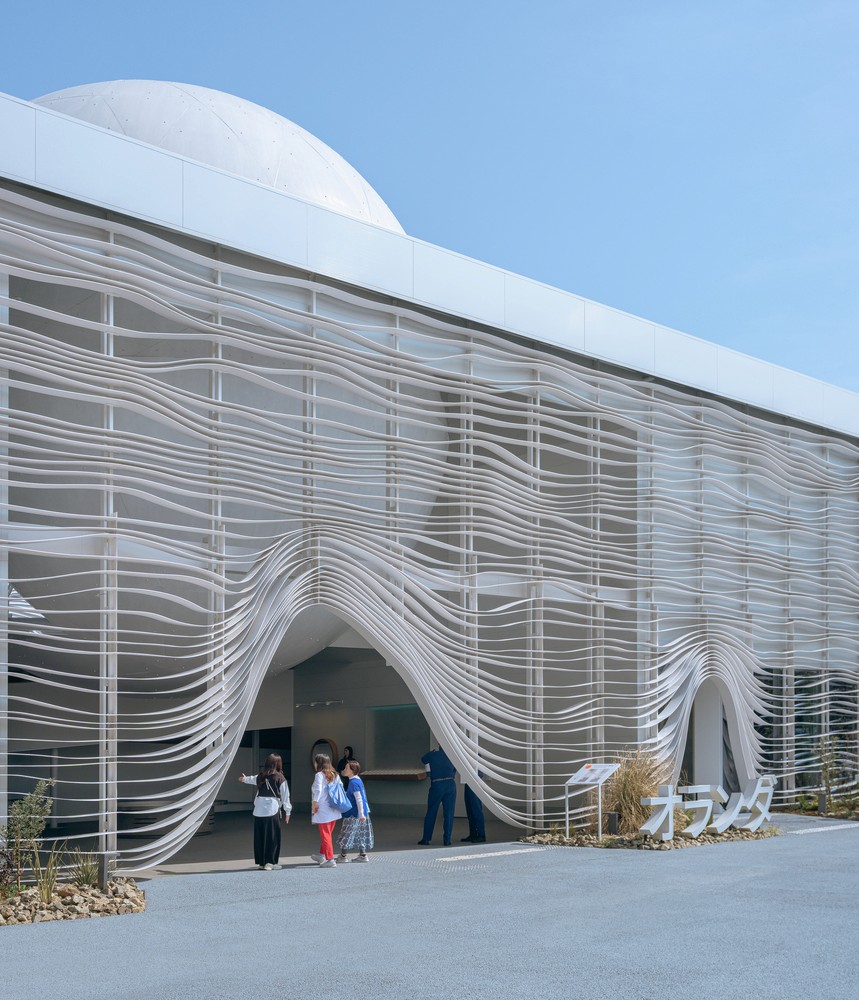
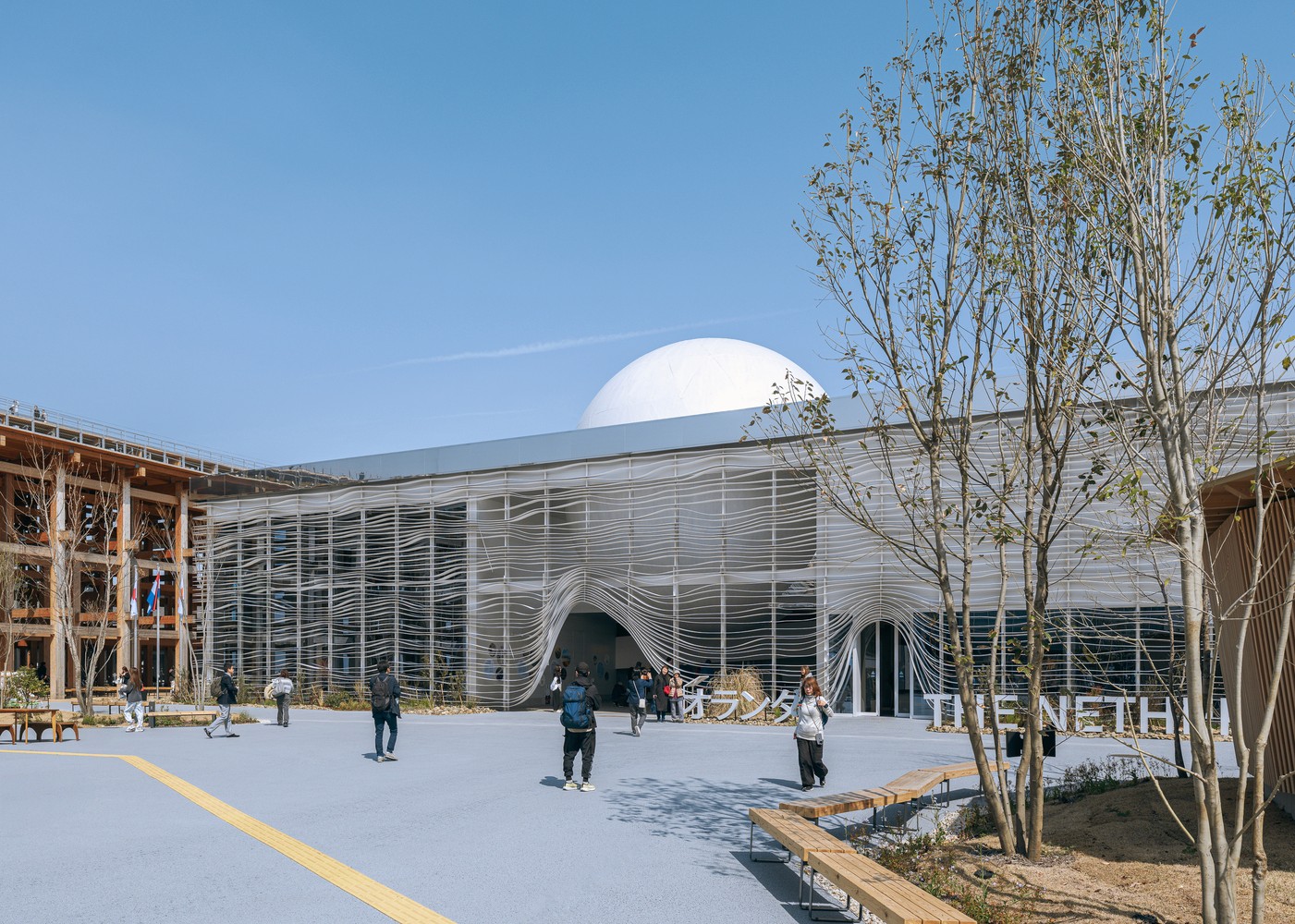
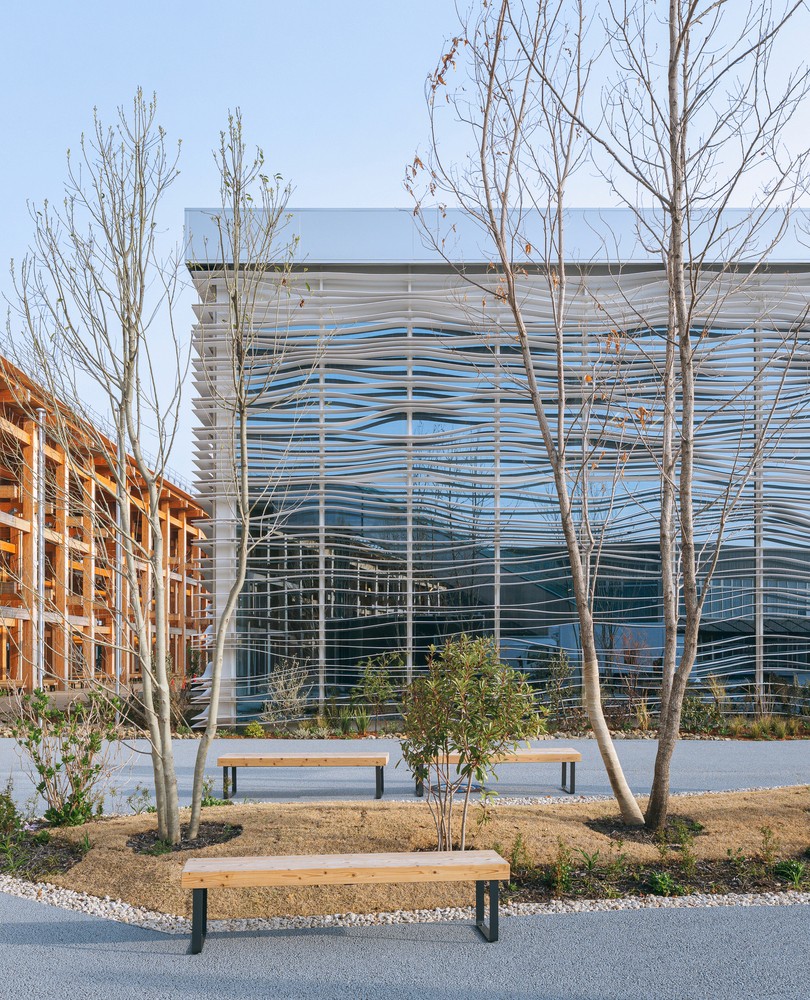
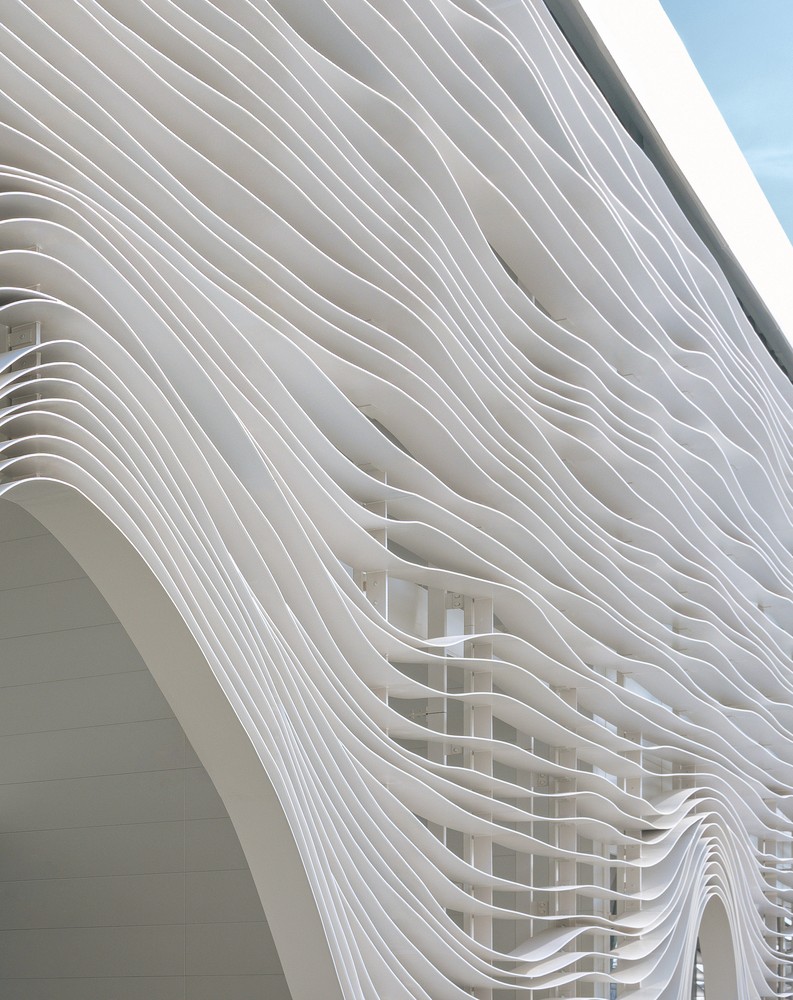
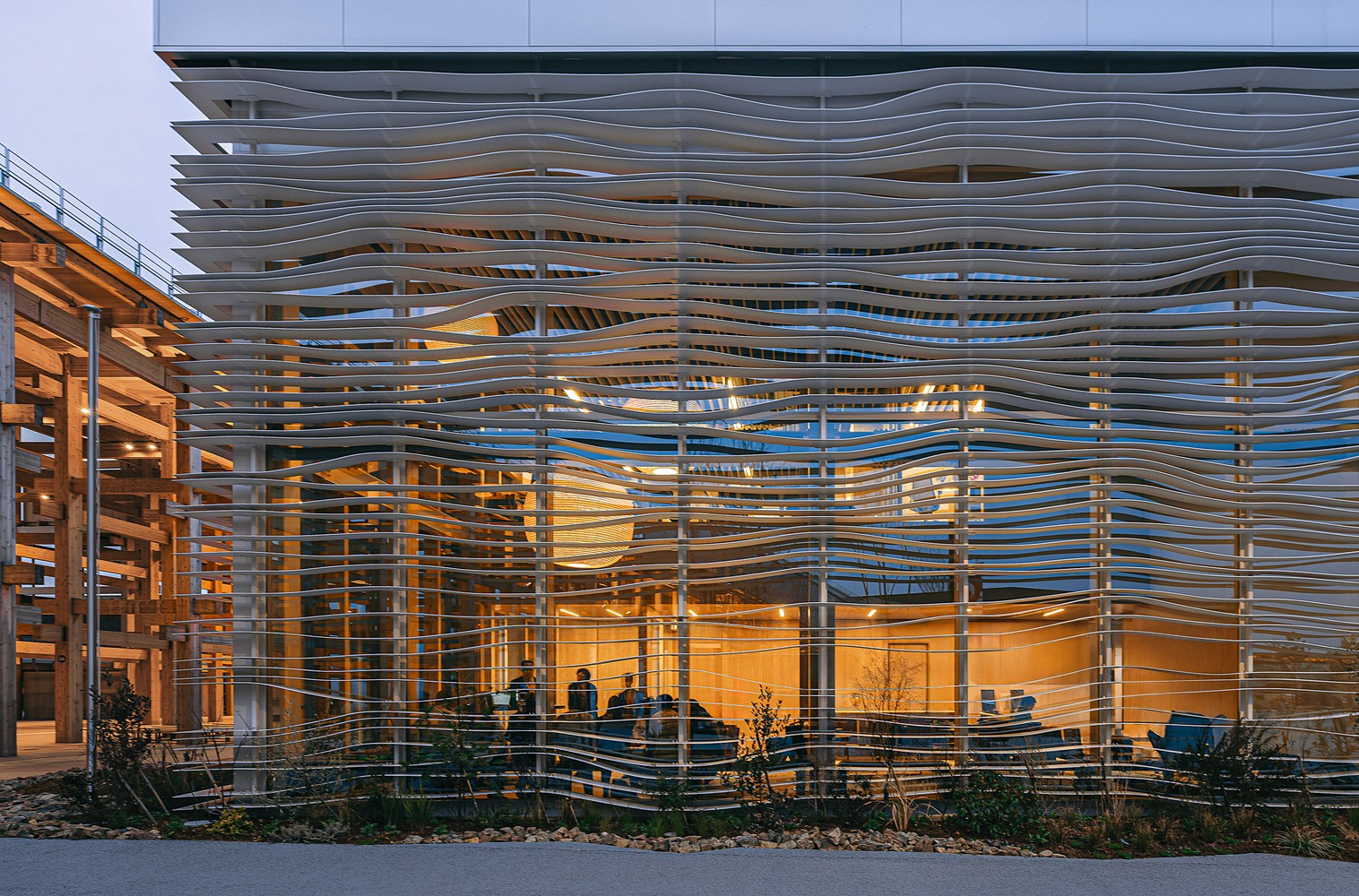
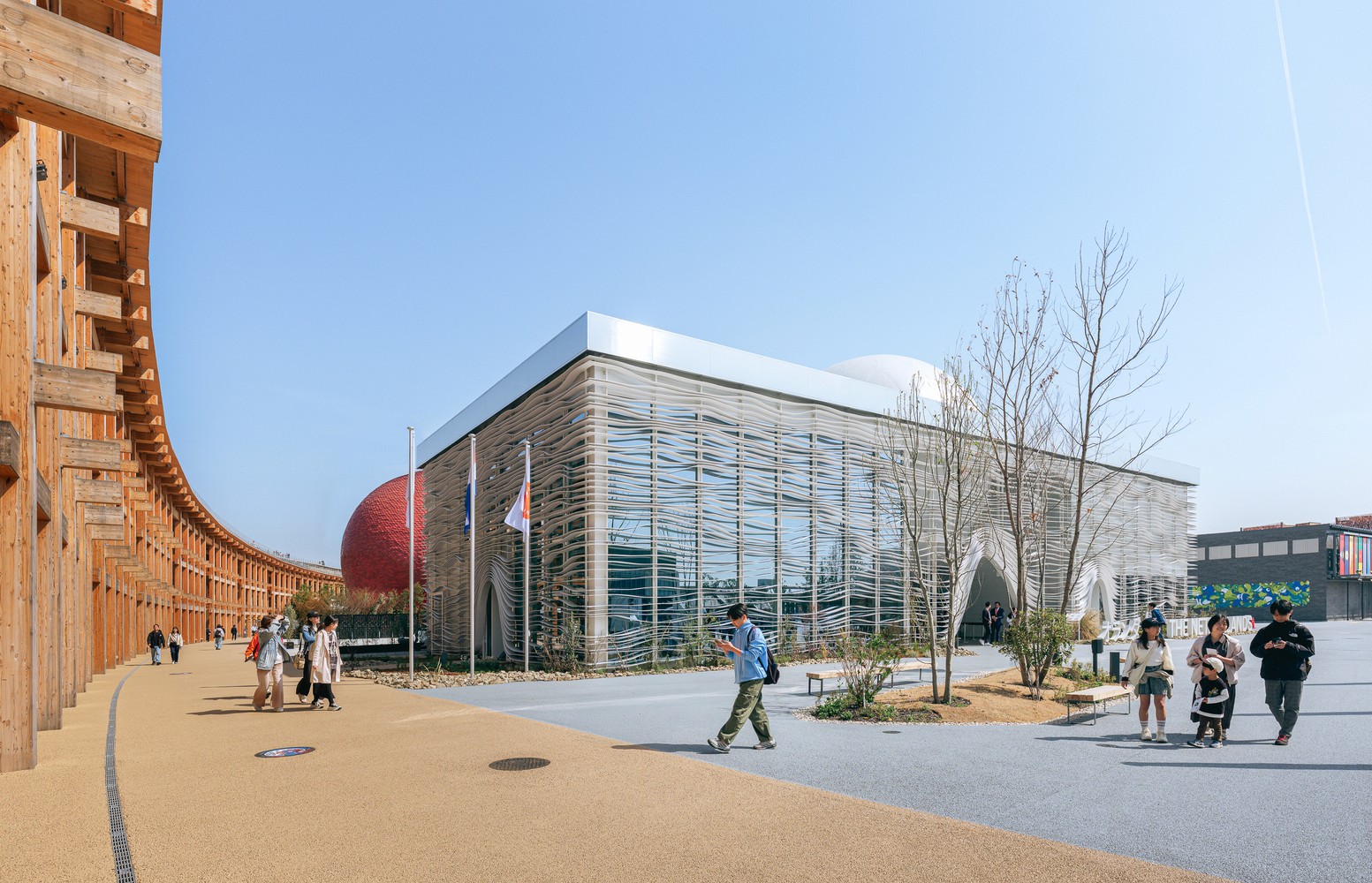
▼exterior of the pavilion
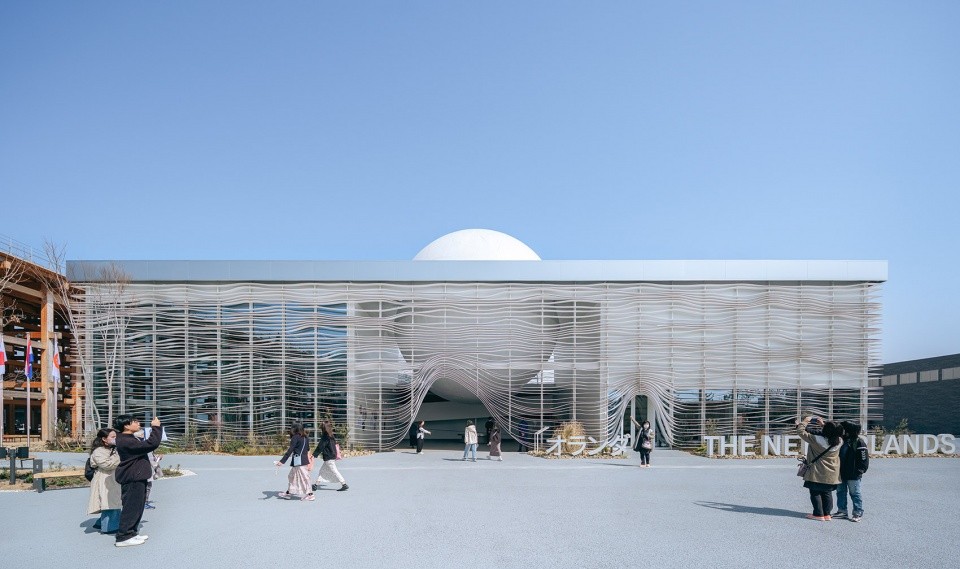
▼exterior of the pavilion
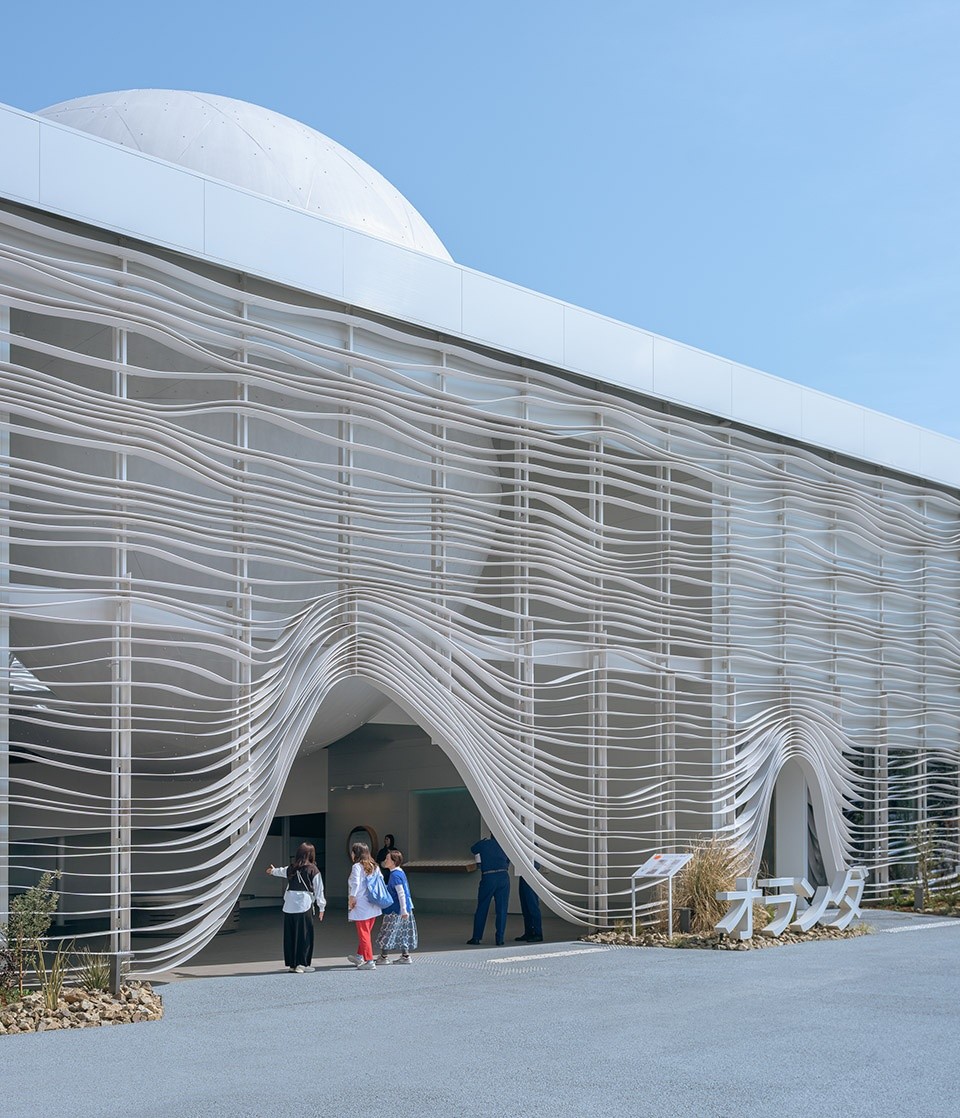
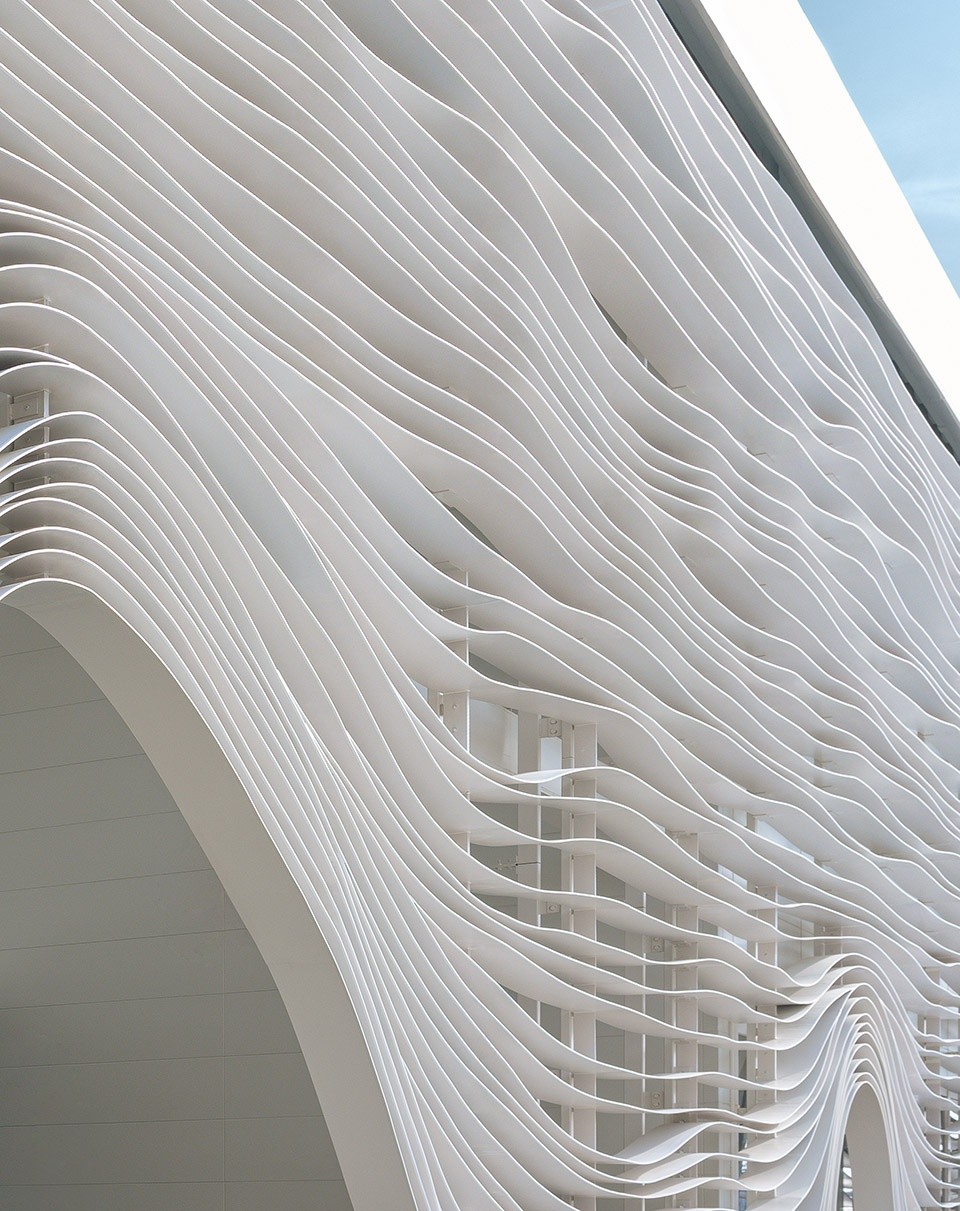
Today, we find our common ground in tackling the global challenges that are impacting the health and wellbeing of our planet. These are challenges that no country can solve alone. To create healthy and happy societies, we need to work together and unite our perspectives, ideas, and expertise.
Common Ground
“Common ground” is the core concept of the Dutch participation at Expo 2025. It is a mindset rooted in collective problem-solving. This approach traces back centuries, born out of the necessity to protect the “lowlands” from the threat of rising waters. Today, we need this mindset to tackle global challenges, to work together to share ideas, expertise, and innovations. This theme also celebrates 425 years of Japanese-Dutch relations. It was more than four centuries ago when the Netherlands found common ground with Japan.
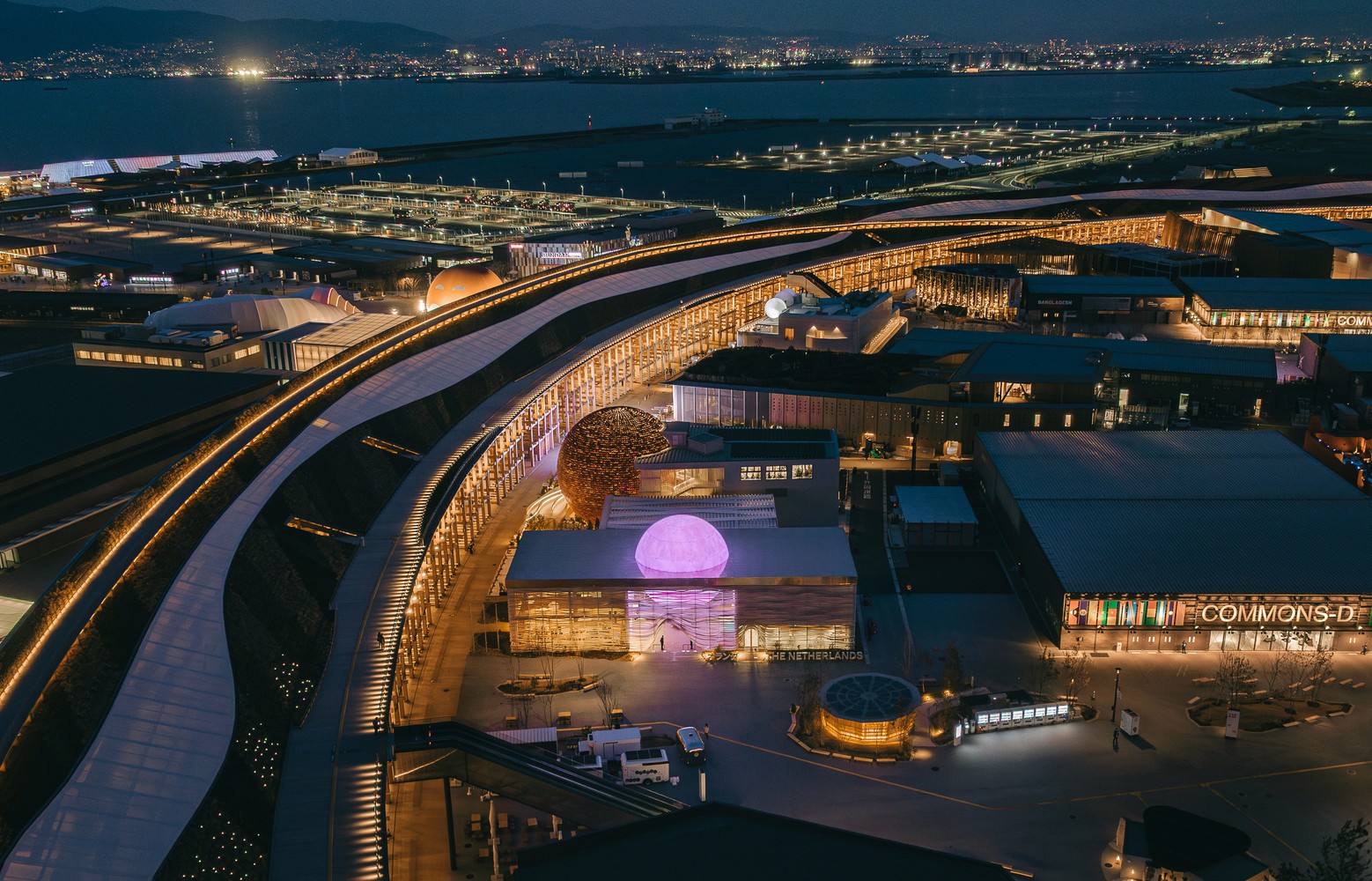
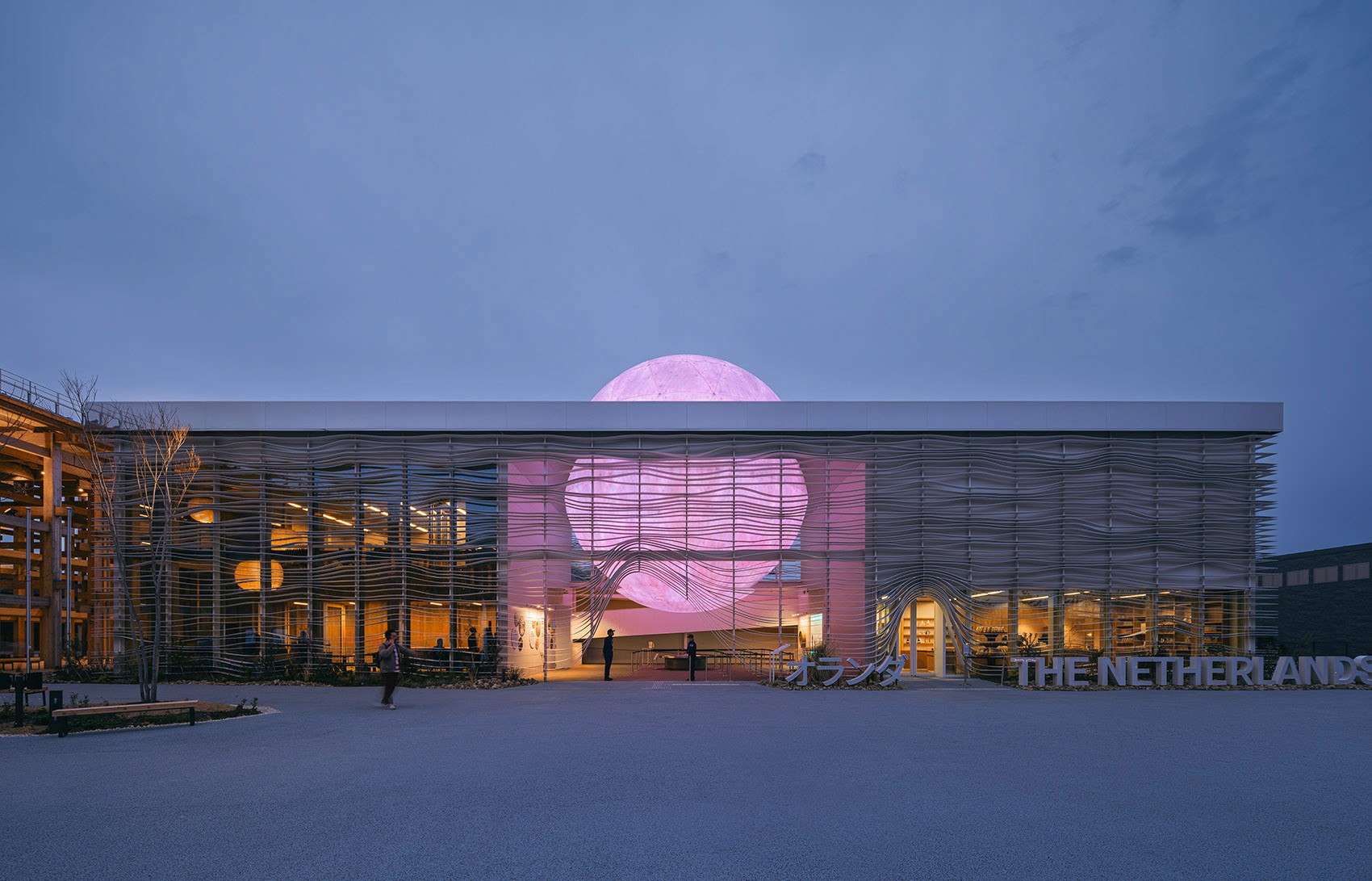
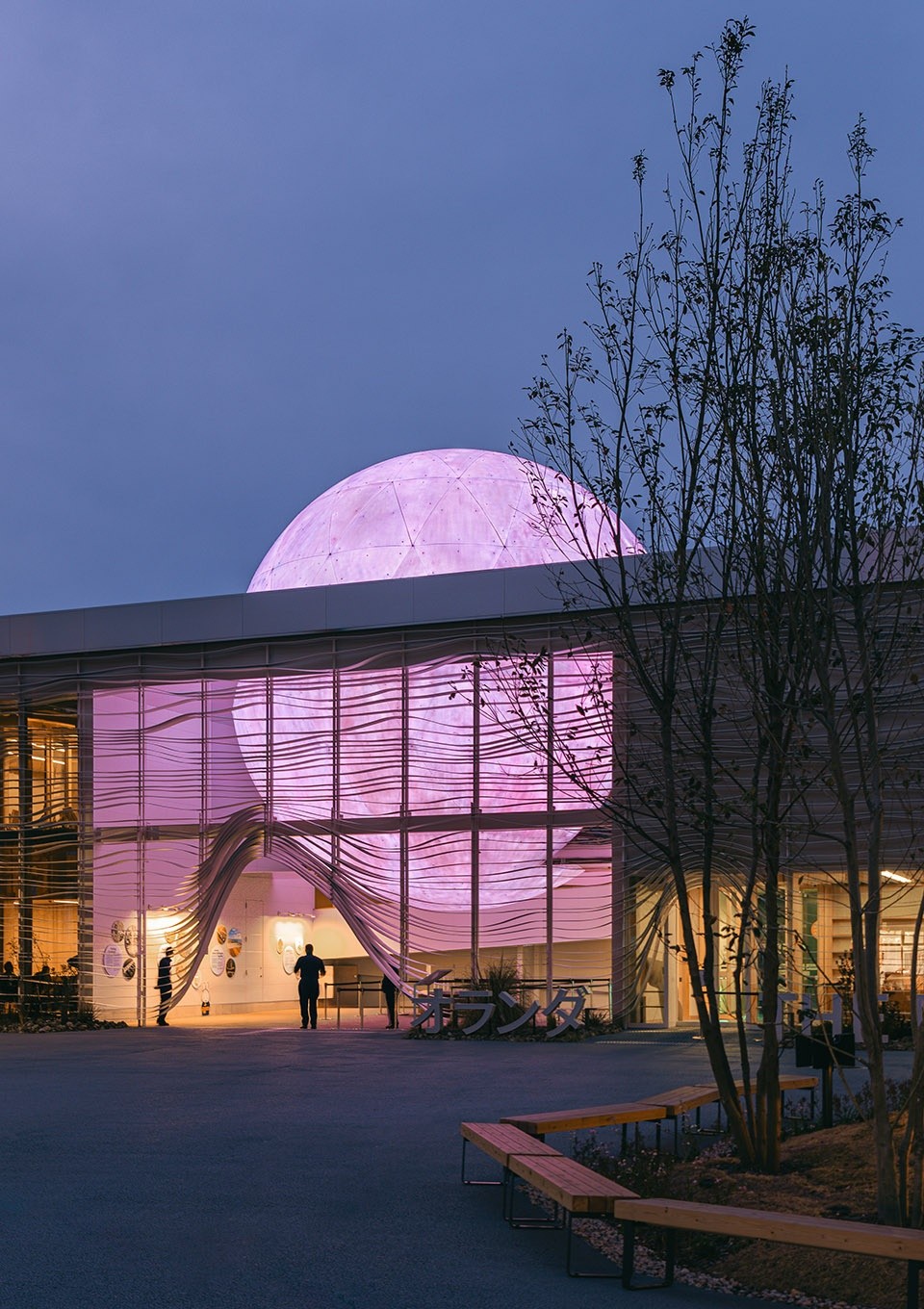
▼night view of the pavilion
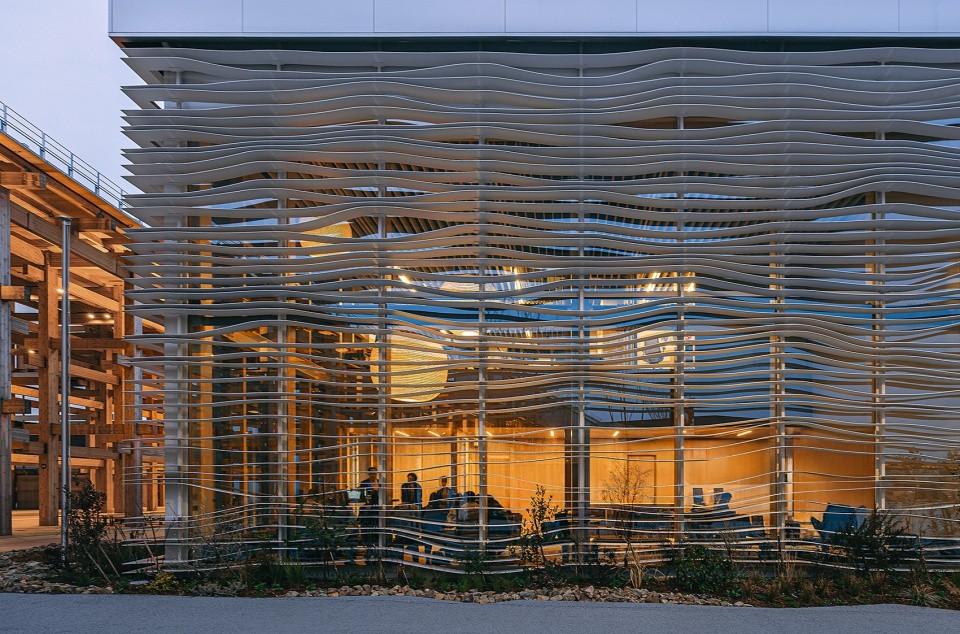
A New Dawn
The “Tower of the Sun”, a sculpture designed by Japanese artist Tarō Okamoto (1911–1996) for Expo 1970 Osaka, was a major inspiration to RAU architects. It symbolizes the power of nature and the never ending energy radiated by the sun that feeds all life on earth. The sculpture features three suns: the one on the backside symbolizes the past; of the two suns on the front the bottom one represents the present, while golden sun at the top of the Tower depicts the future. It is a striking art piece that shows Expo 1970’s belief in progress and optimism for the future. The sphere that forms the centerpiece of the Netherlands pavilion has the same measurements as Okamoto’s future sun: 10.6m diameter.
▼the sphere that forms the centerpiece of the Netherlands pavilion ©Zhu Yumeng
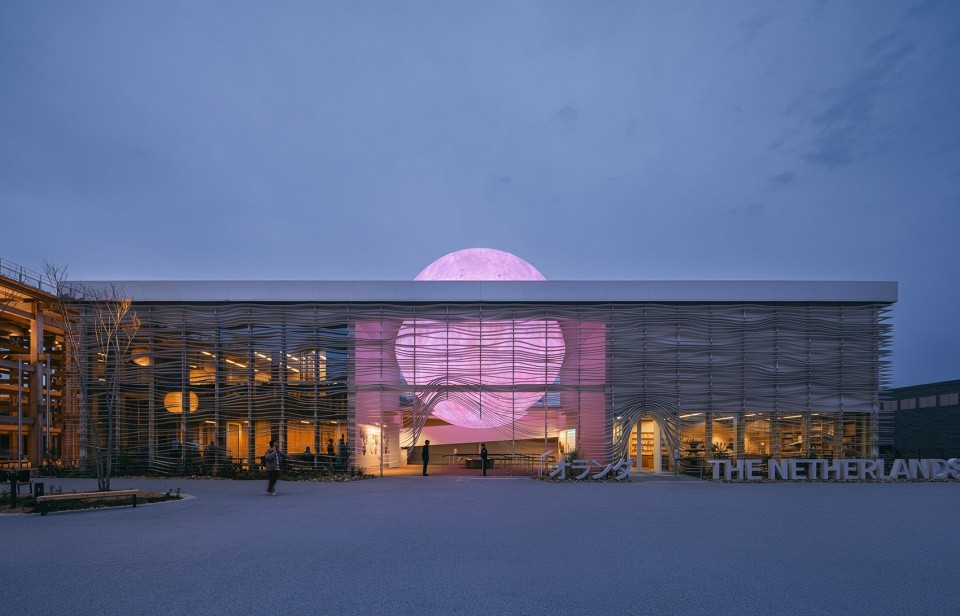
The pavilion
The pavilion consists of two volumes: the event space on one side, and the experience, shop and café on the other, that together support the sphere and the roof. This refers to the “common ground” concept of the pavilion.
▼aerial view of the sphere and the roof ©Zhu Yumeng
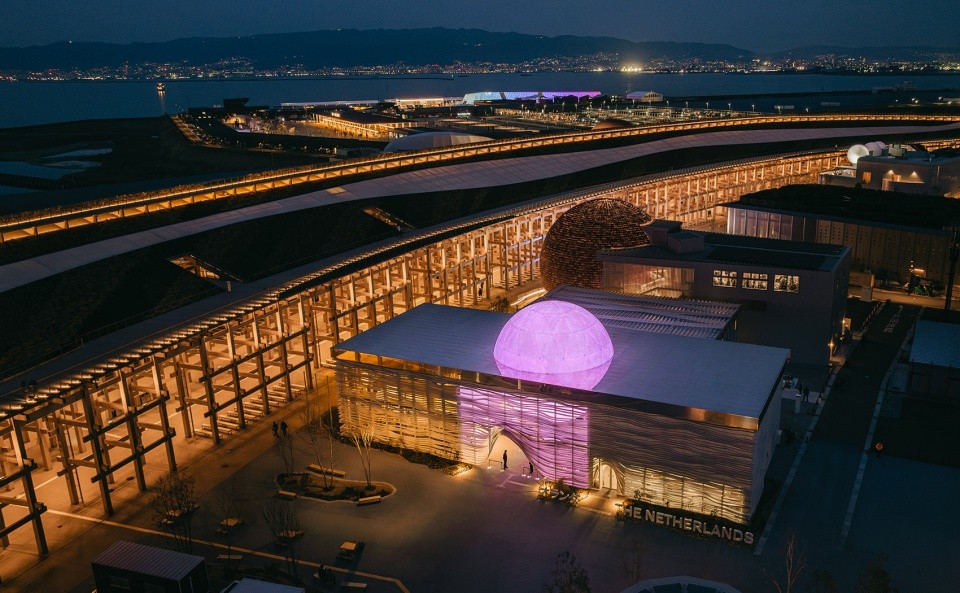
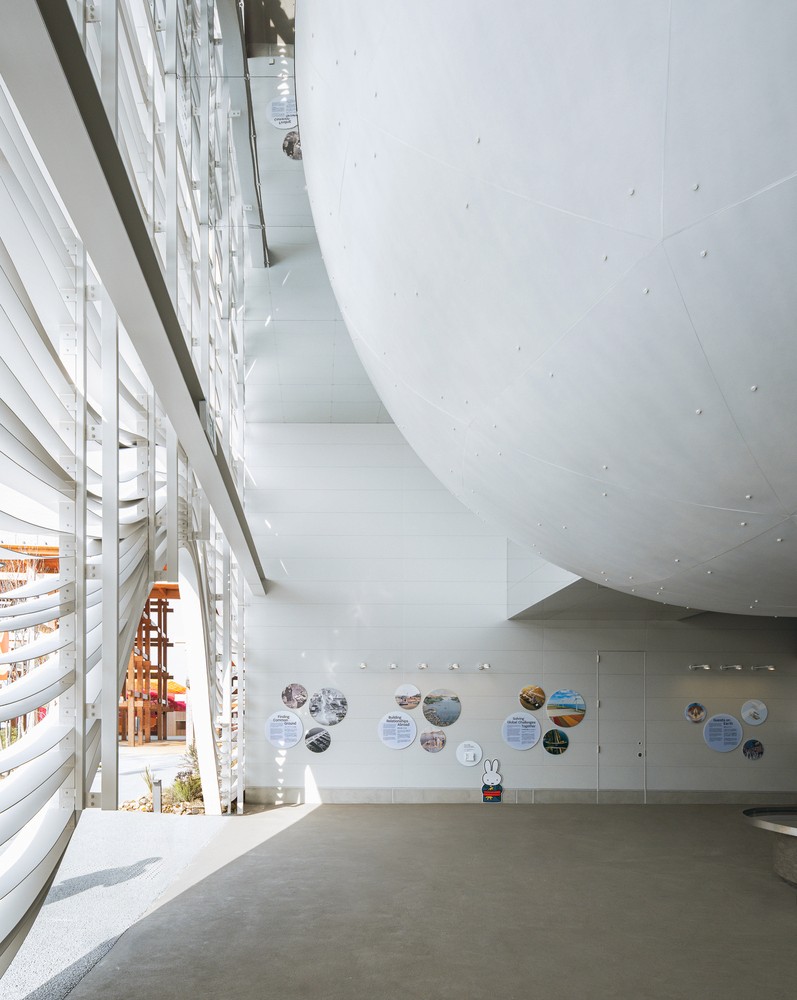
The main structure of the Netherlands pavilion is made of steel and weighs 1620 tons. To meet Japanese regulations, we have used almost double the amount of steel that would be used if the building were erected in Europe. This is to withstand earthquakes and typhoons. A polished RVS sheet is placed on top of the roof (like a 15x40m mirror) to allow visitors walking on the wooden ring that surrounds the Expo site to see a full sphere at all times, simultaneously mirroring reflections on water. Thanks to a mirroring ceiling a full sphere is also visible from the inside.
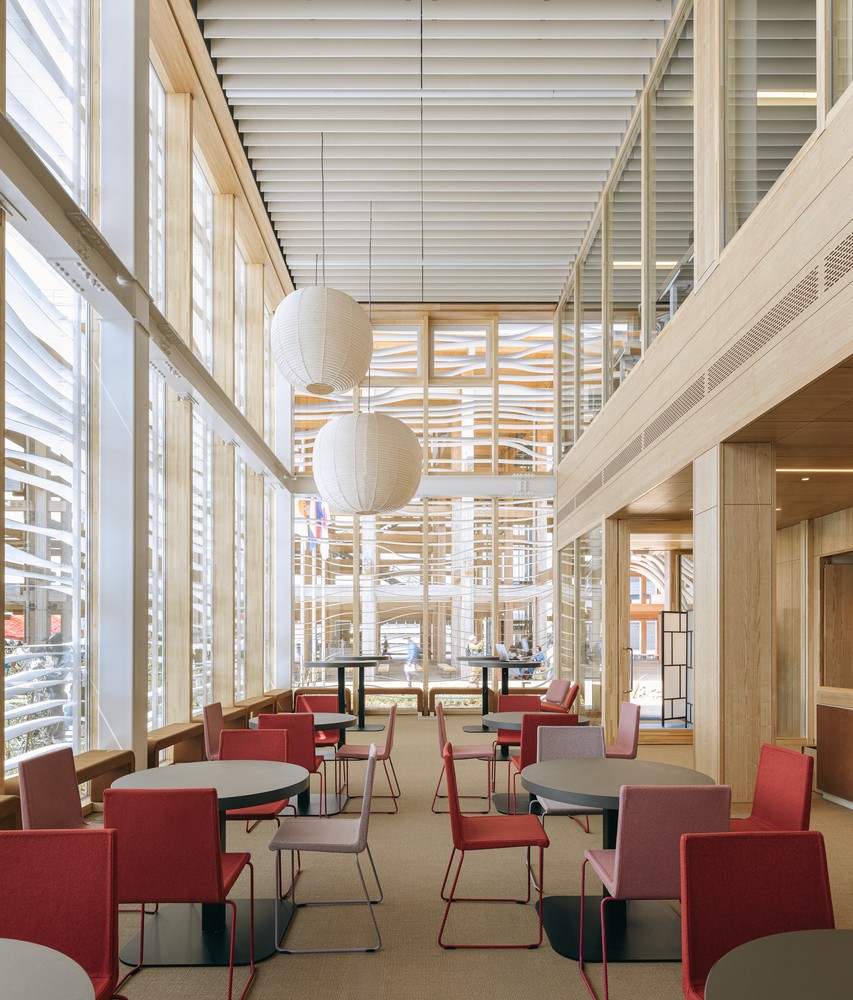
▼ceiling design
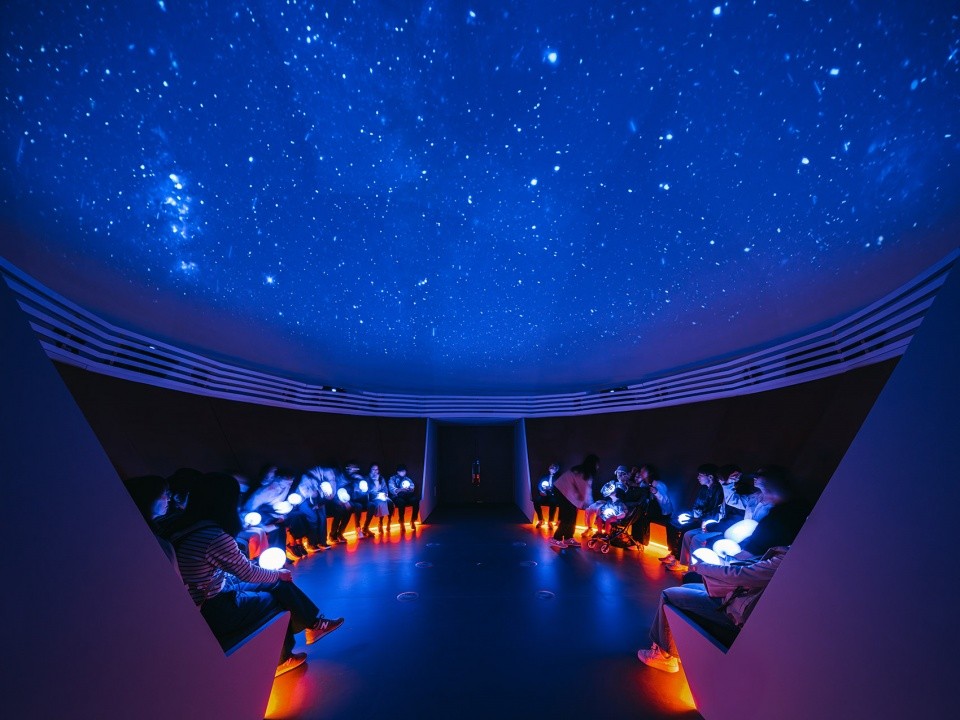
▼interior video
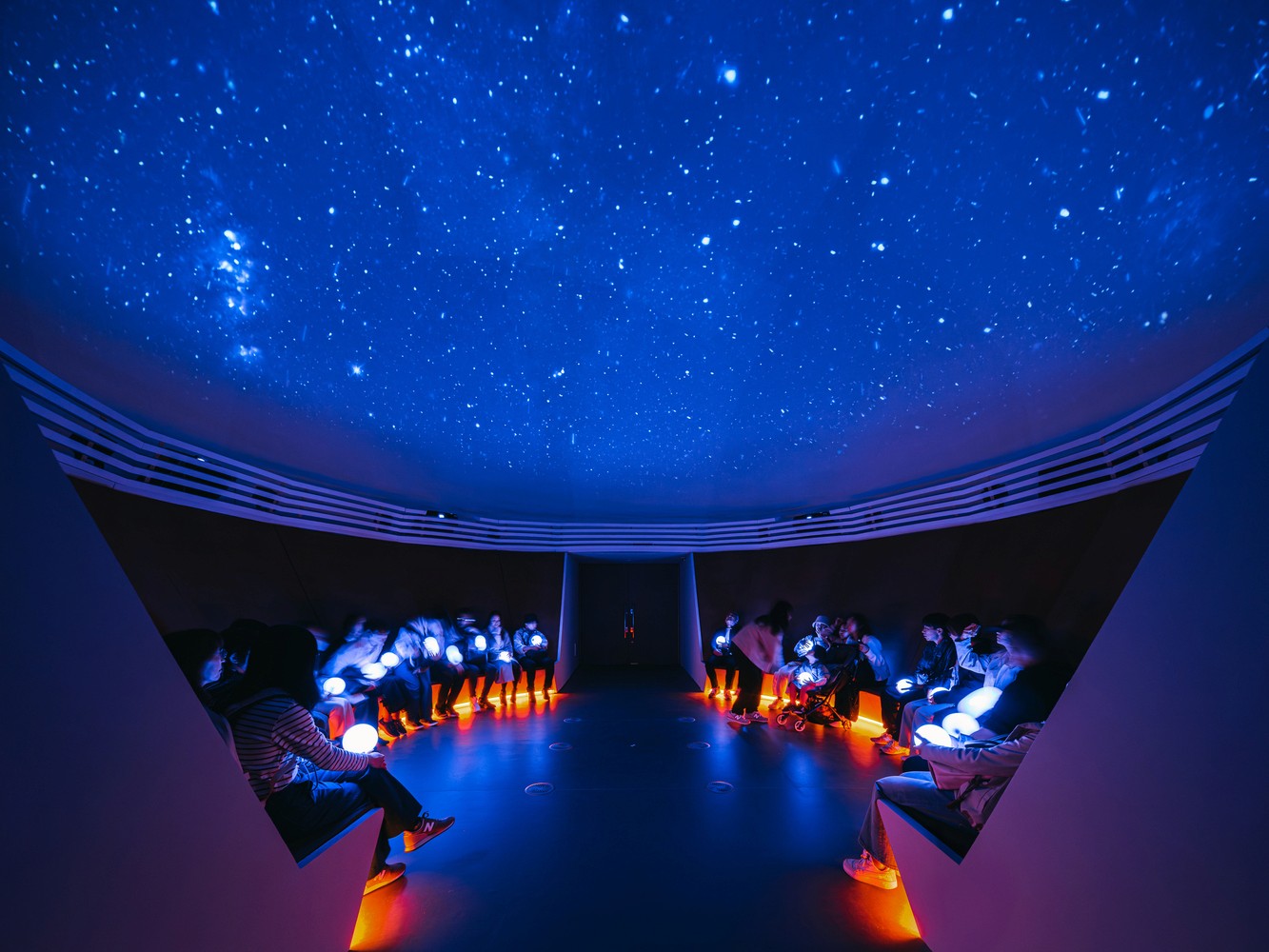
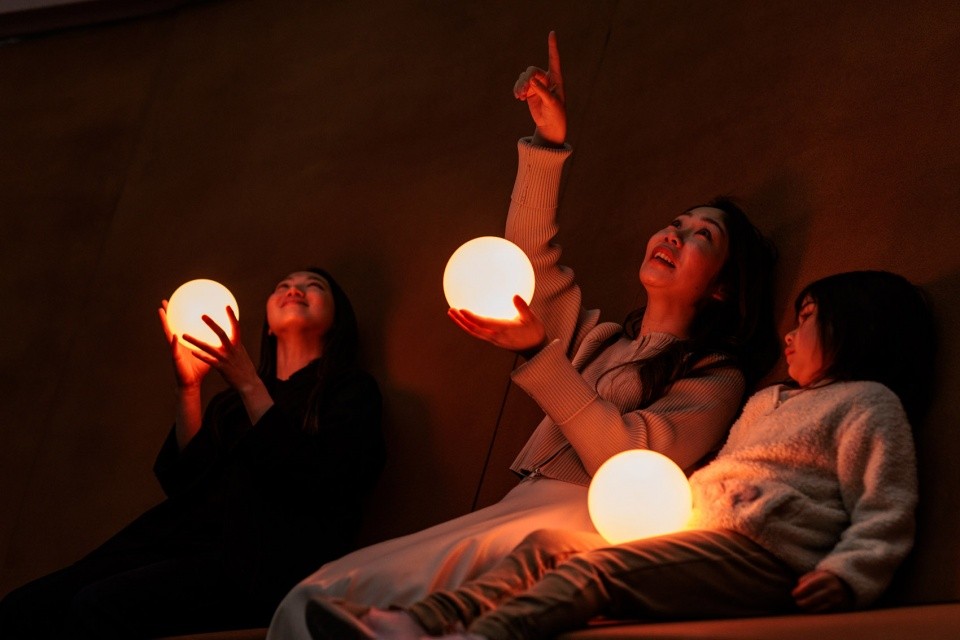
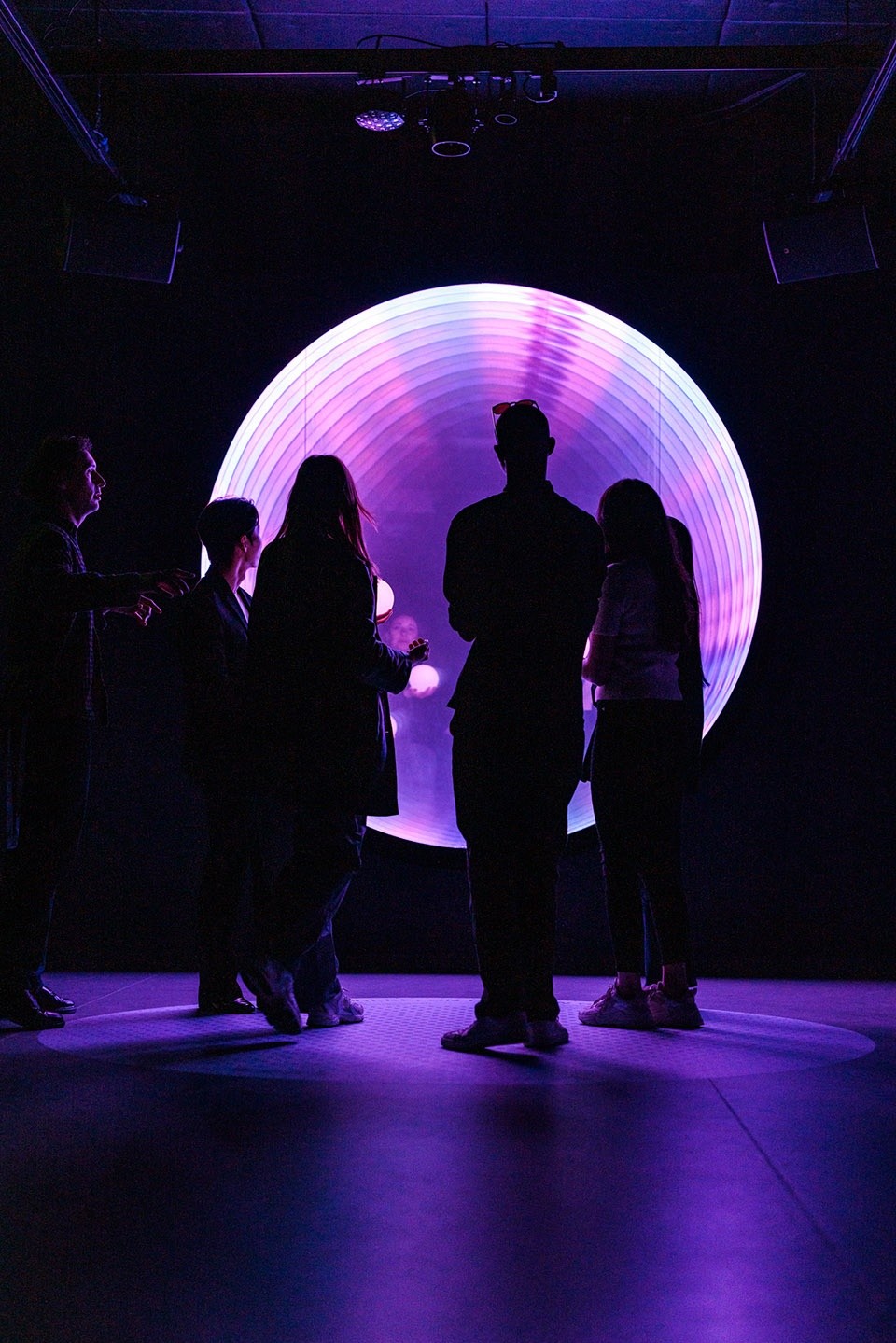
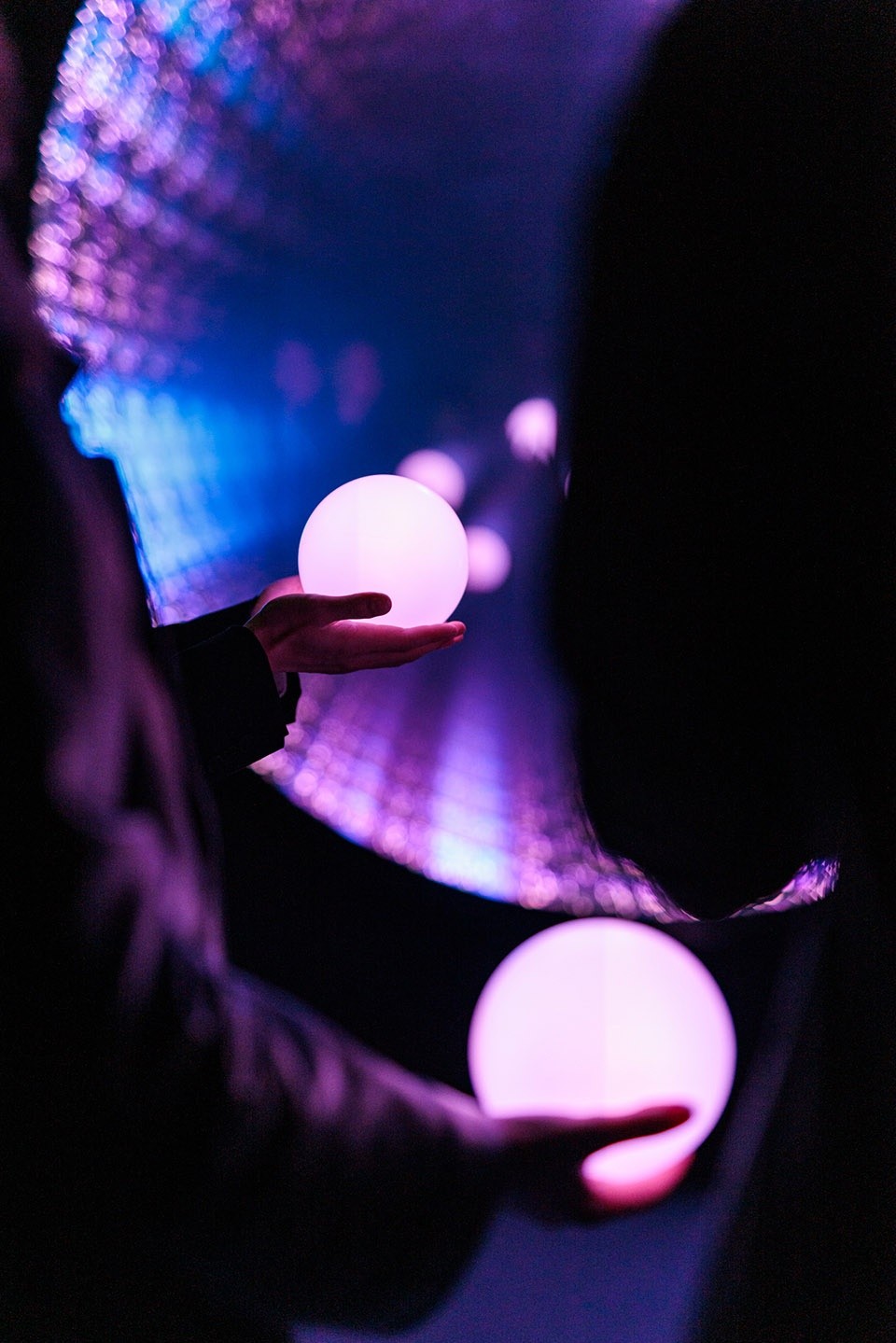
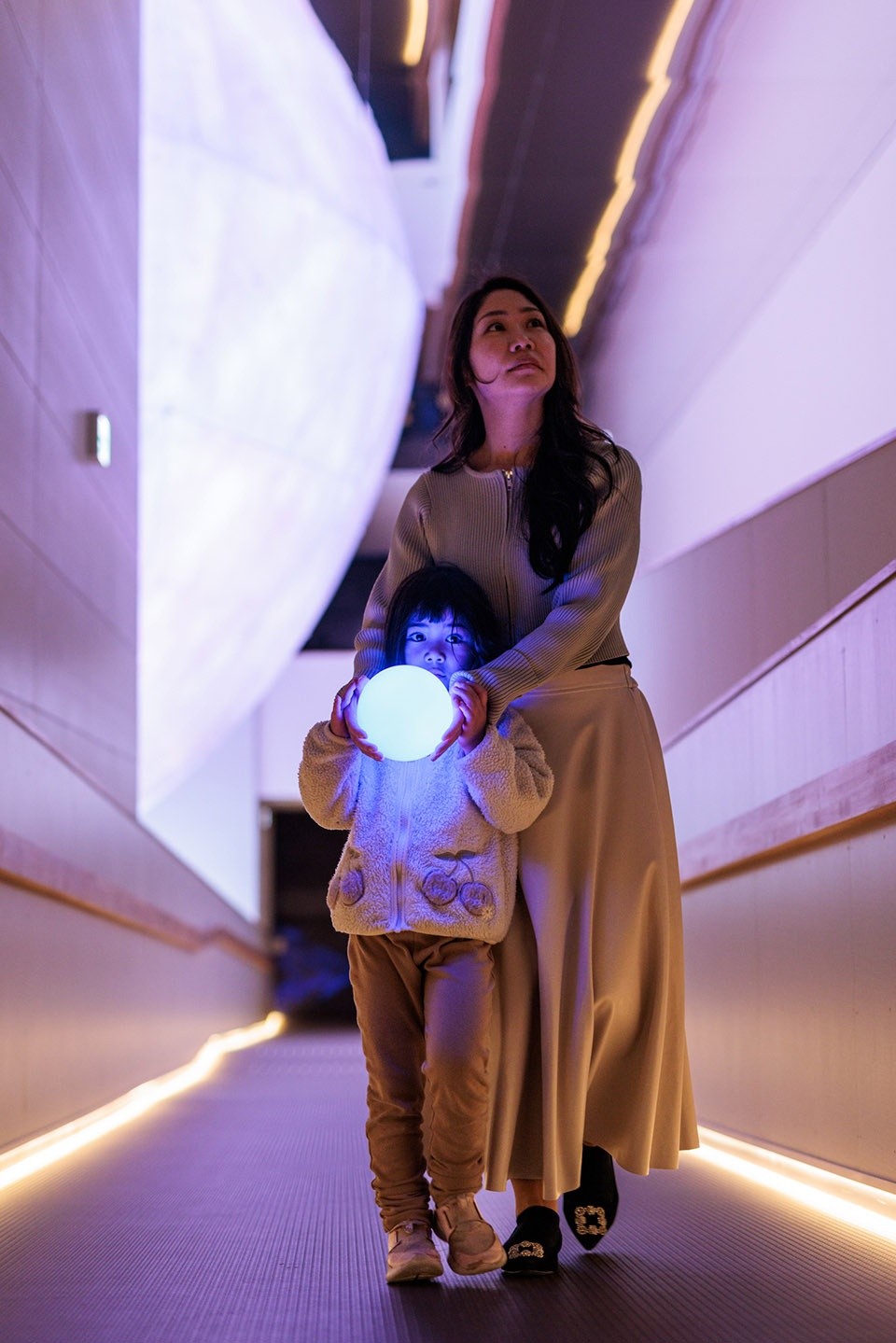
Upon entering the pavilion, visitors receive a small glowing orb that interacts with the installations placed throughout the space. These installations guide them through the shared history of the Netherlands and Japan, as well as the Dutch battle against water. The highlight of the visit is the central glowing sphere, where guests can experience the world’s first AI- generated 360-degree dome film. Finally, visitors are invited to share their own dreams and ideas for the future through an interactive art piece.
▼a small glowing orb that interacts with the installations placed throughout the space
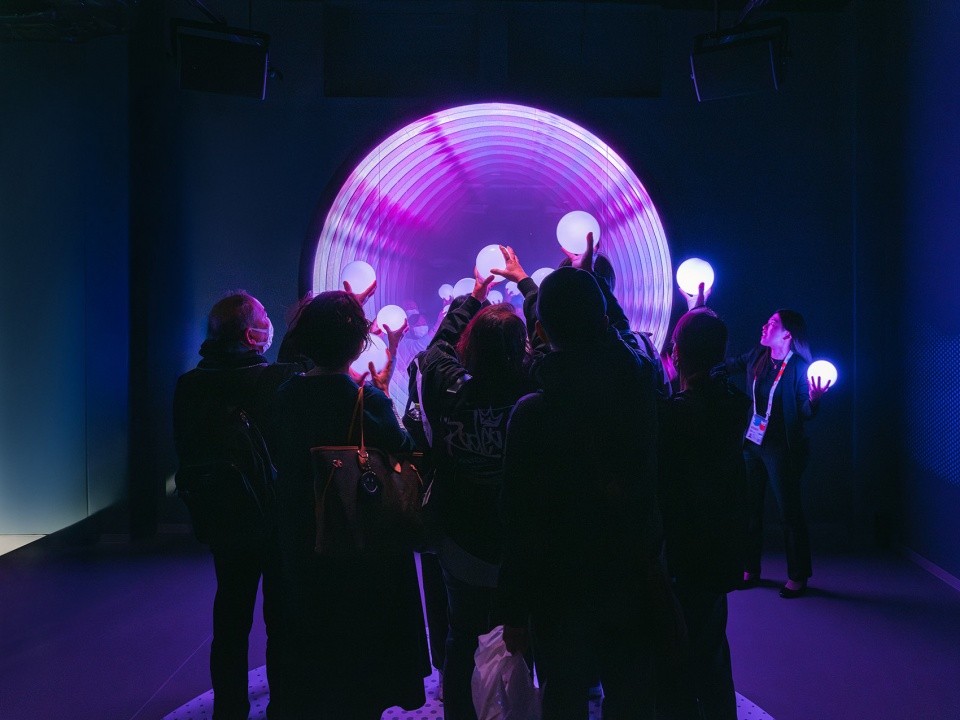
▼a small glowing orb that interacts with the installations placed throughout the space ©Tellart
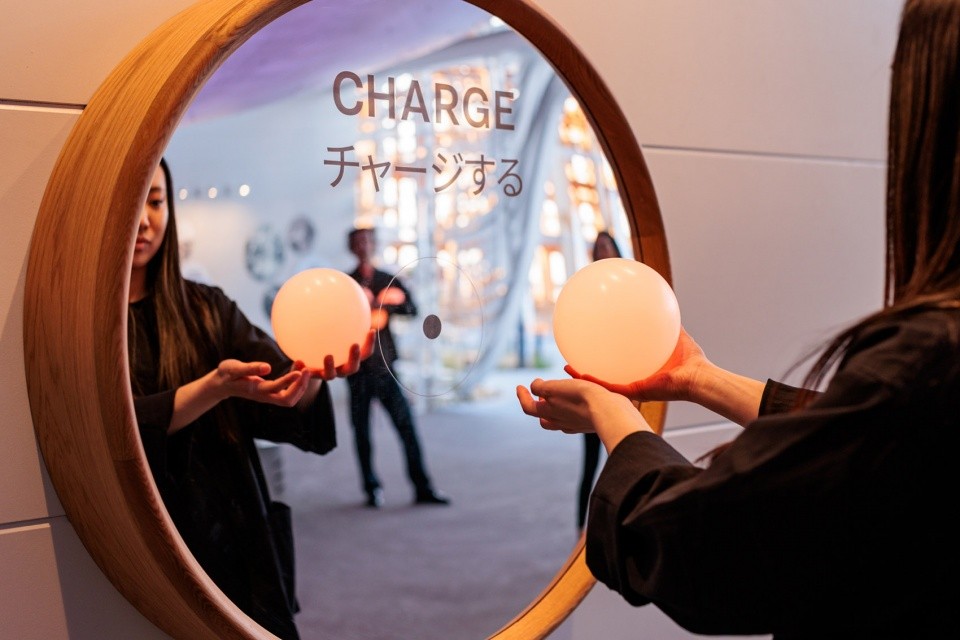
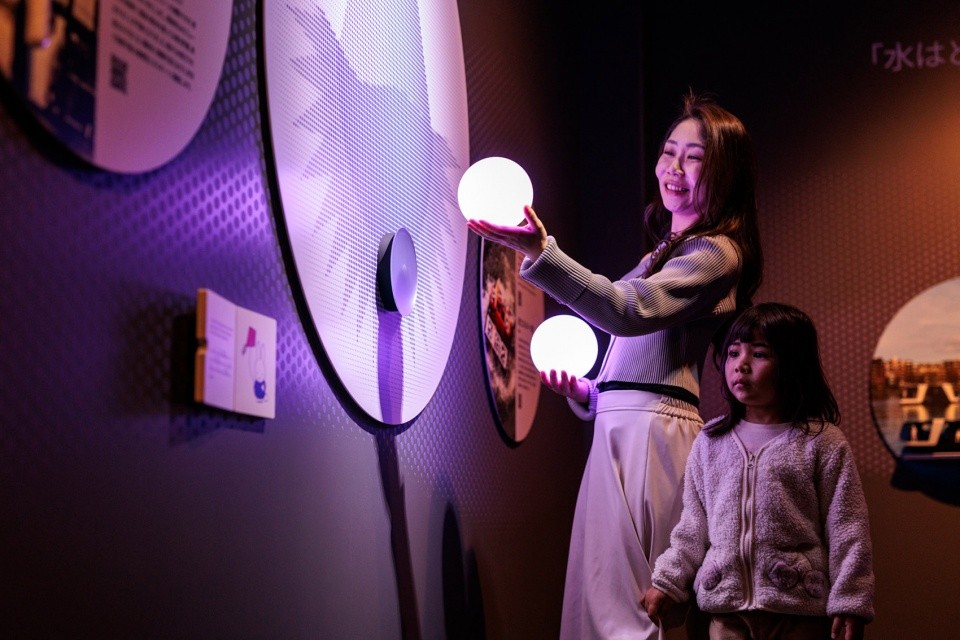
▼guide them through the shared history of the Netherlands and Japan ©Tellart
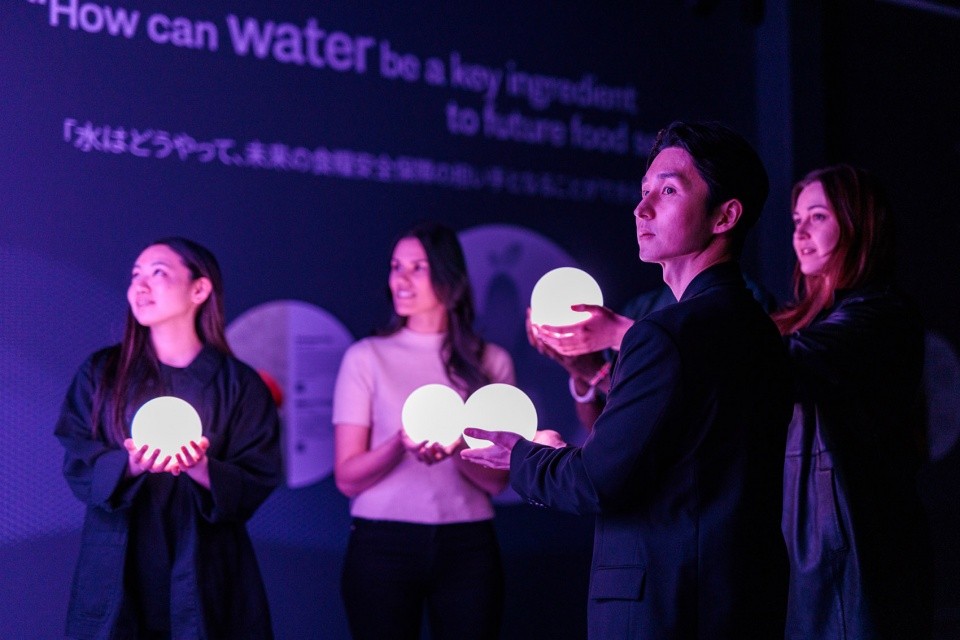
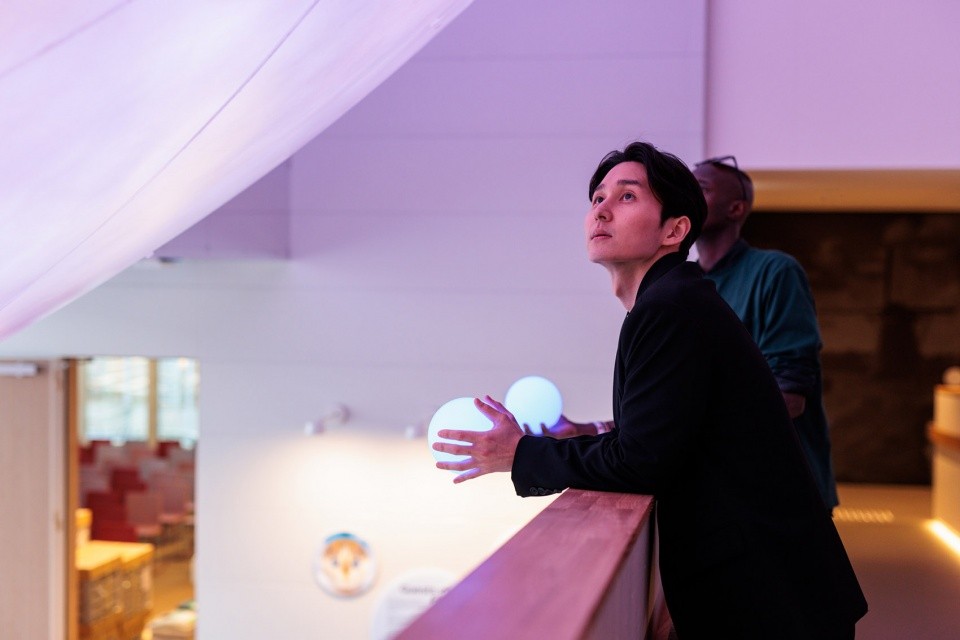
▼share their own dreams and ideas for the future through an interactive art piece ©Tellart
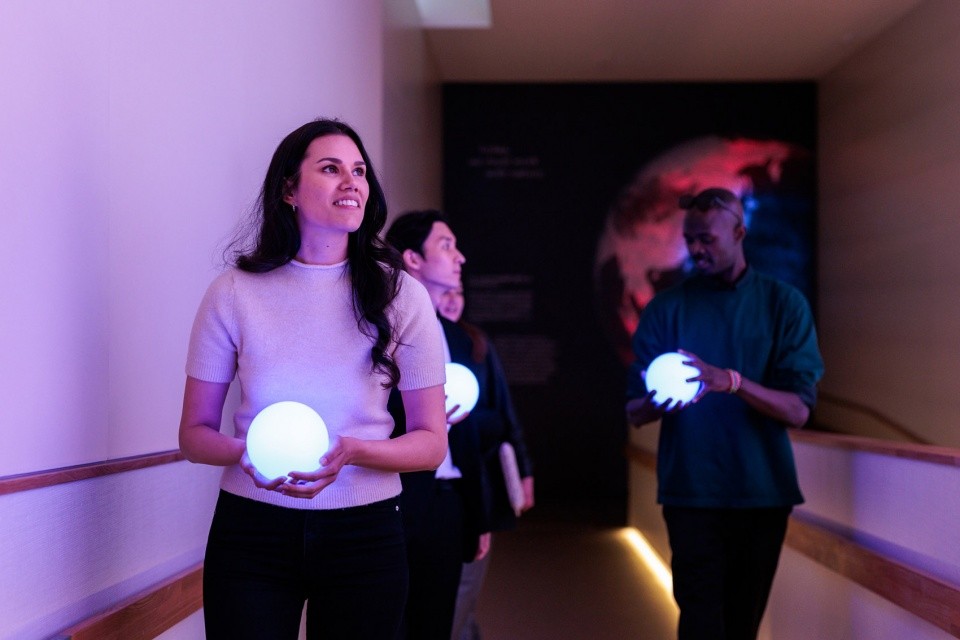
▼the central glowing sphere ©Tellart
Material depot
A pavilion at an Expo is temporary. The Dutch pavilion, too, must be dismantled after six months. The highest goal in the circular economy is not to discard or remove an existing object. Given the temporary nature of the Expo, it is necessary to relocate the pavilion. The entire structure, the main load-bearing construction, facade, and all finishing are designed to be dismantled. All used elements and materials are connected in such a way that they can be taken apart, with all joints and screws visible. Each element has a specific identity recorded in the Madaster material passport. After the Expo, the pavilion will be disassembled and stored in shipping containers. It will then be relocated to a new site and given a new purpose.
▼the central glowing sphere ©Zhu Yumeng
Circularity and the Edonomy
200 years ago, Edo, modern-day Tokyo, was forced to become a city without waste due to the government’s policy of not trading with foreign countries. Materials were reused, repaired, and recycled in an efficient closed system. Everything was utilized: from used metals and wood scraps to the reuse of paper and even tree bark fibers. This approach was reinforced by a renewed reforestation policy, planting millions of trees to restore the ecosystem. The Edonomy became one of the first well- documented large closed systems according to the principles of the circular economy. This Japanese approach offers valuable lessons for the world today. The Netherlands pavilion continues this principle, with a fully circular design that reuses materials and utilizes energy in innovative ways. Just as in the Edo period, the pavilion invites visitors to reflect on their own role in embracing a future where waste is a thing of the past. In the spirit of the Edonomy, this pavilion is a manifesto for a world that not only serves our own needs but also protects the legacy of future generations.