UAE-UK-China Architecture and Urban Development Forum
Date:
11/06/25
Location:
Dubai, UAE
Organizers:
UAE, UK, China Architectural Societies
Theme & Agenda
Gathering diverse forces to explore the new realm of architecture - Dubai Design Week Anglo-Chinese architectureForum
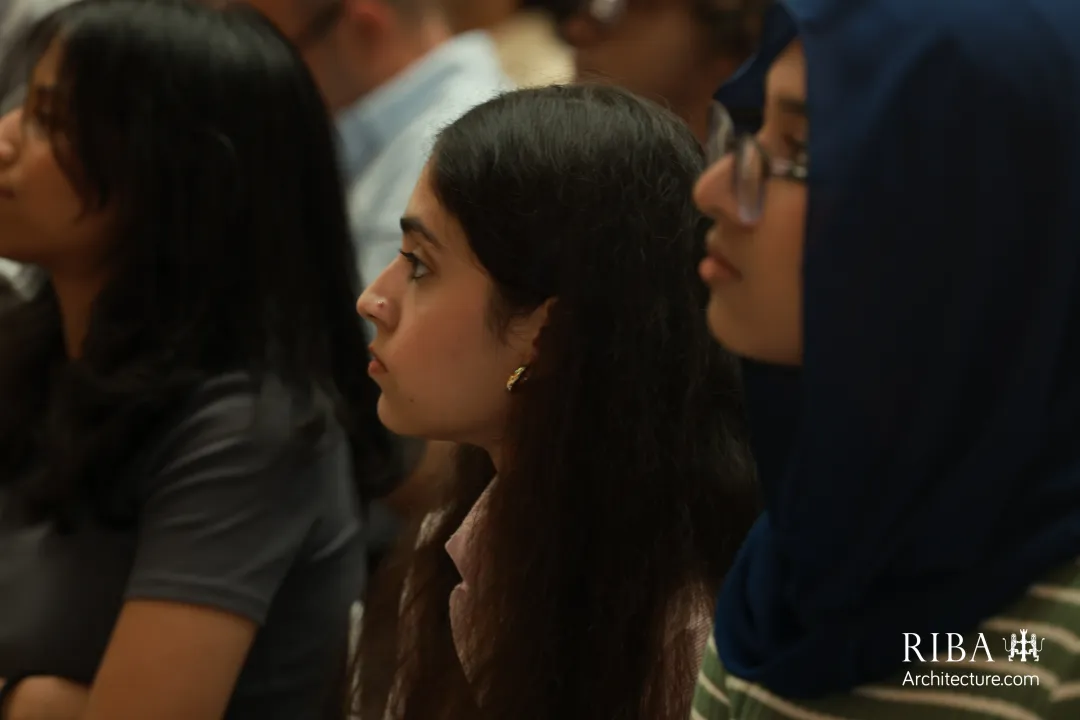
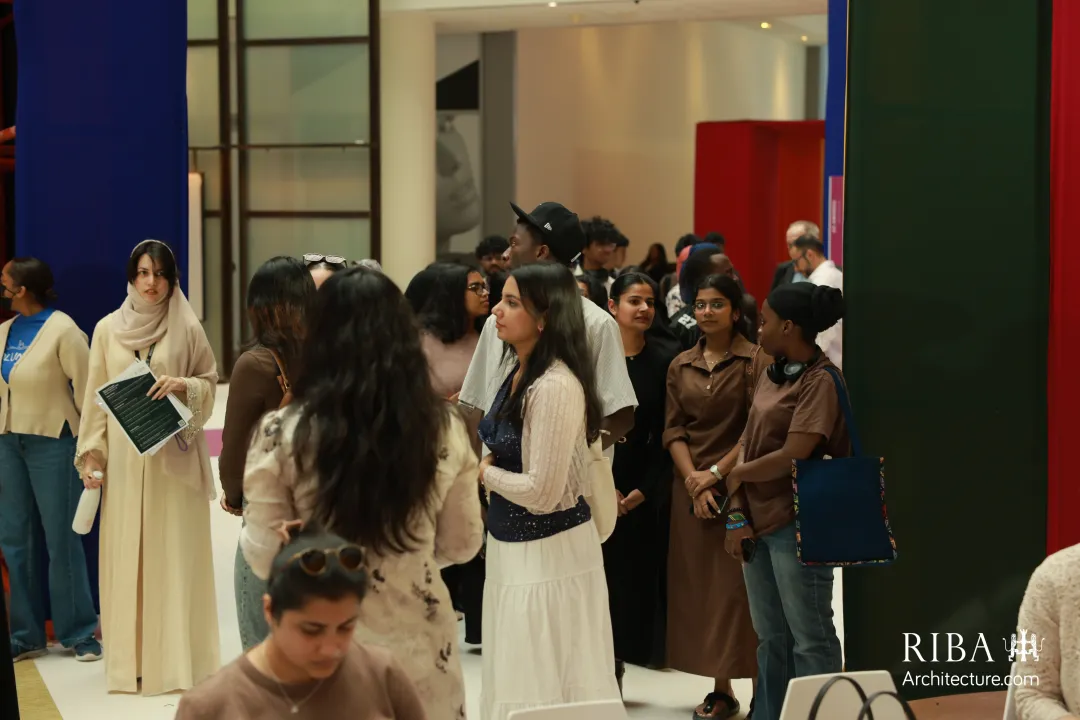
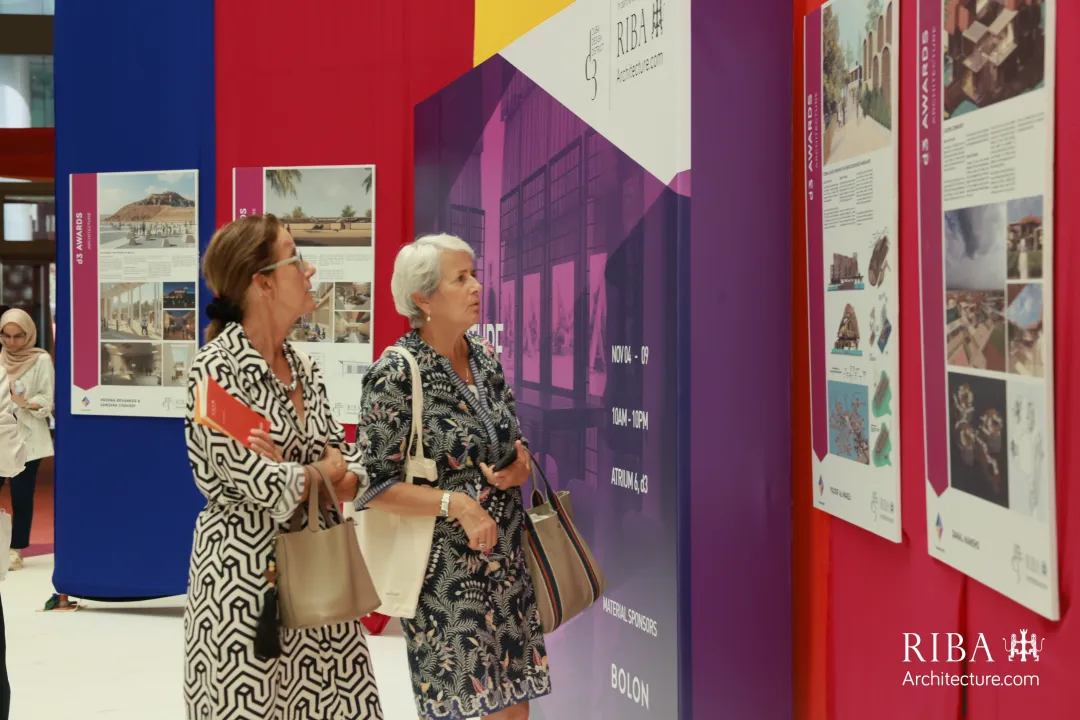
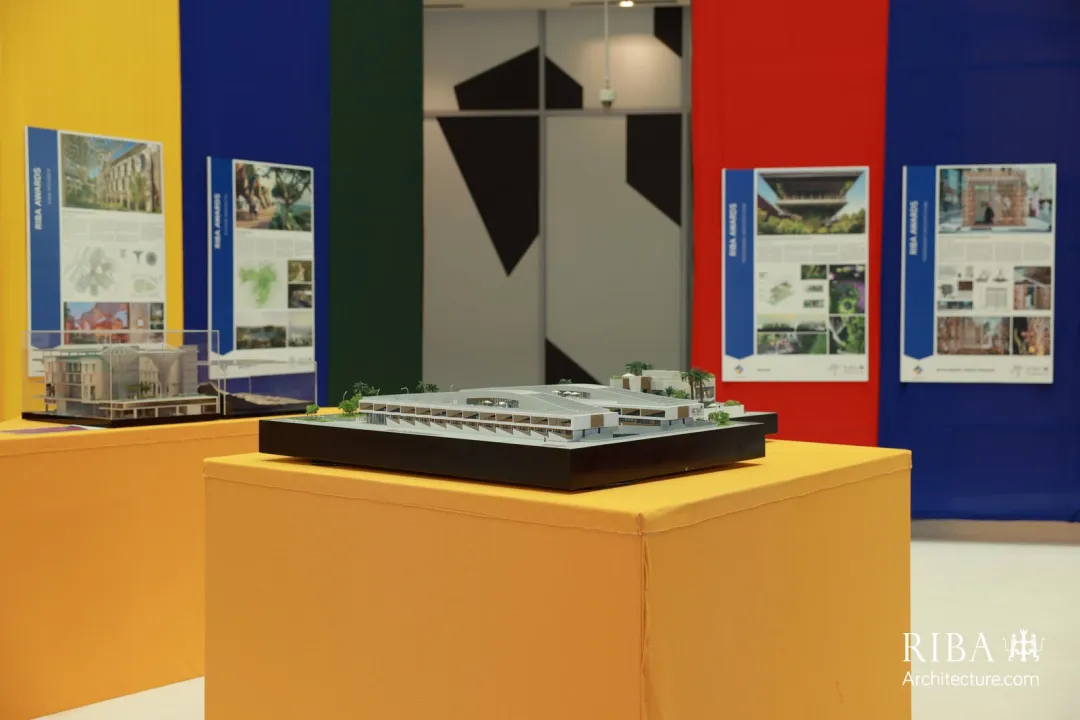
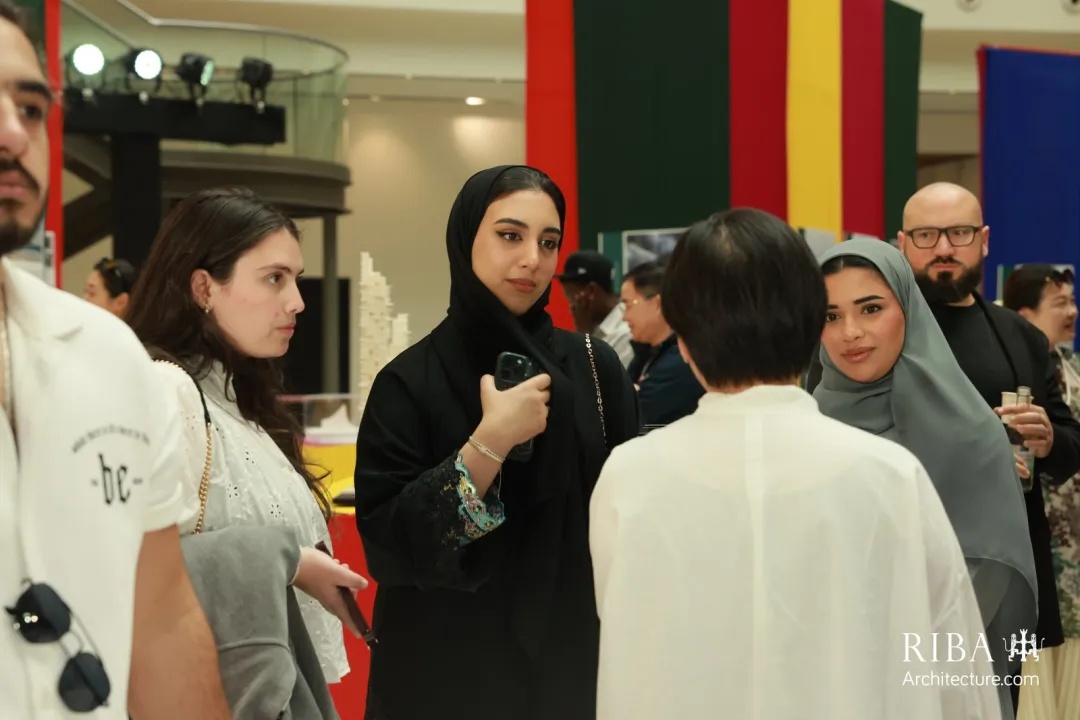
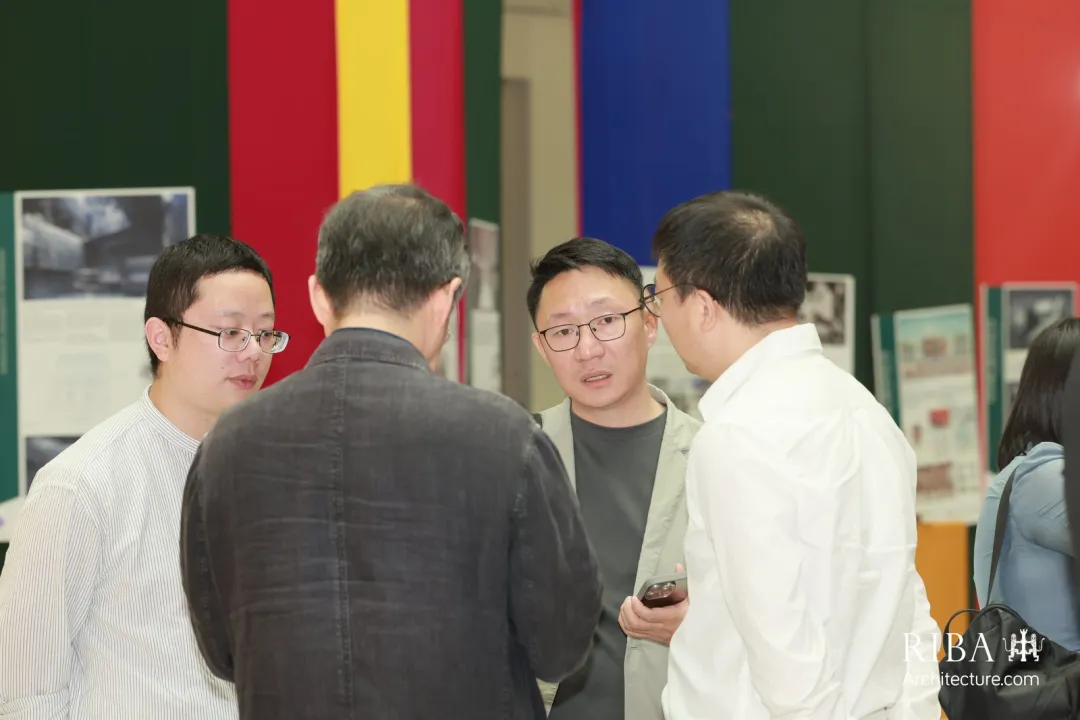
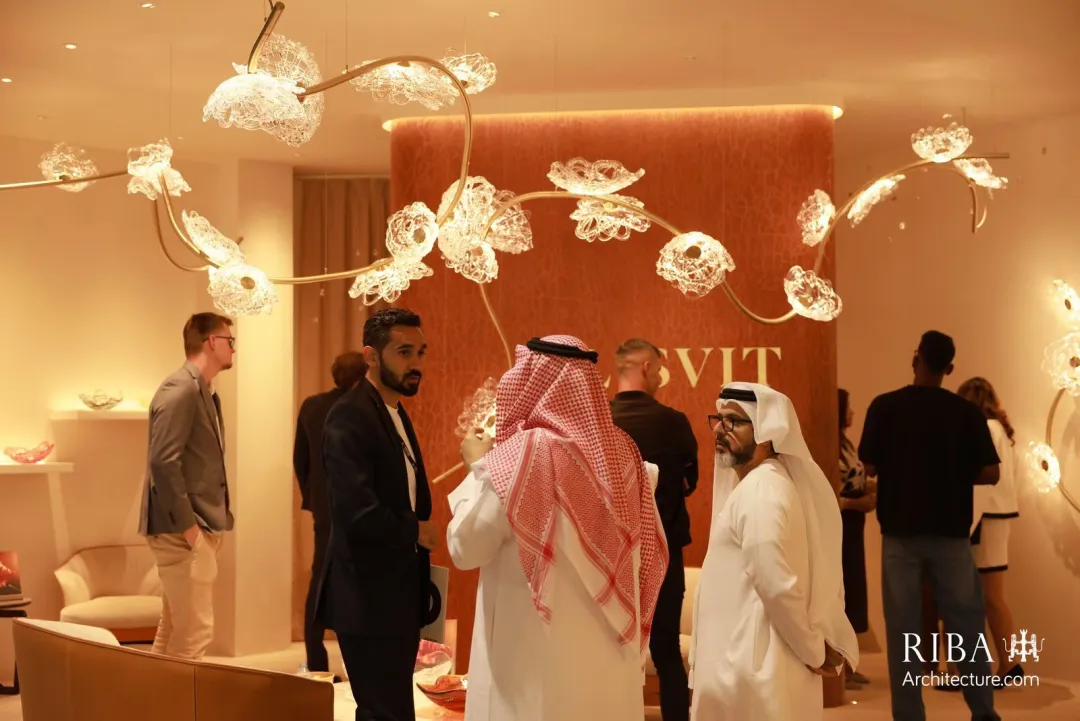
From November 4 to 9, 2025, Dubai Design Week returns, bringing together global creativity and design expertise to create a broad platform for industry exchange. During this period, the UAE-UK-China Forum, hosted by ArAsia, RIBA, AIA, will take place on November 6. Focusing on architectural design, cultural integration, and industry development, the forum will bring together distinguished guests to decode new design trends and explore new possibilities for the industry from diverse Chinese, British, and Arab perspectives.
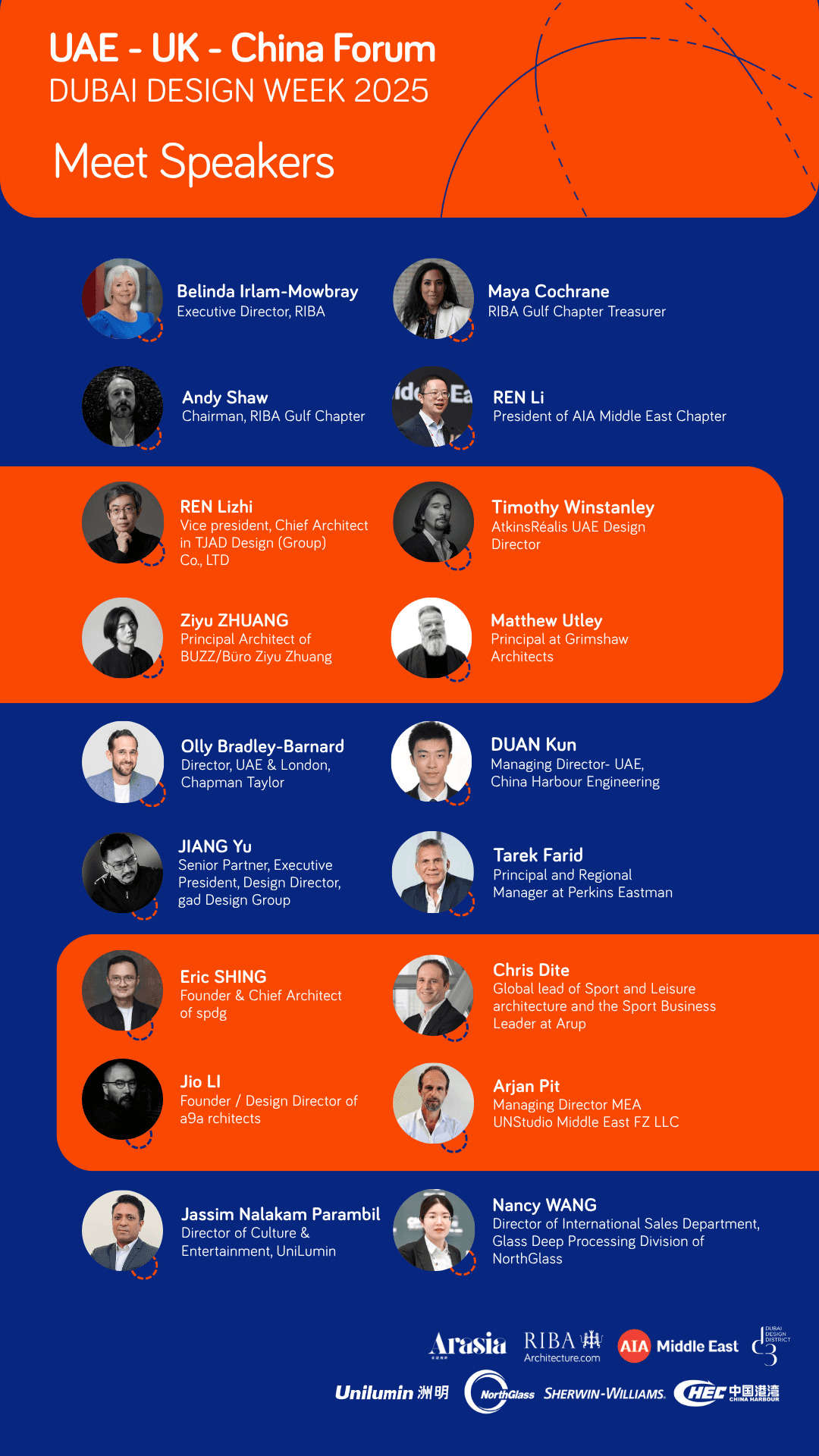
The forum was moderated by Maya Cochrane, Treasurer of the RIBA Gulf Chapter. Andy Shaw, Chairman of the RIBA Gulf Chapter, and REN Li, President of the AIA Middle East Chapter, each delivered an inspiring opening address.

Maya Cochrane
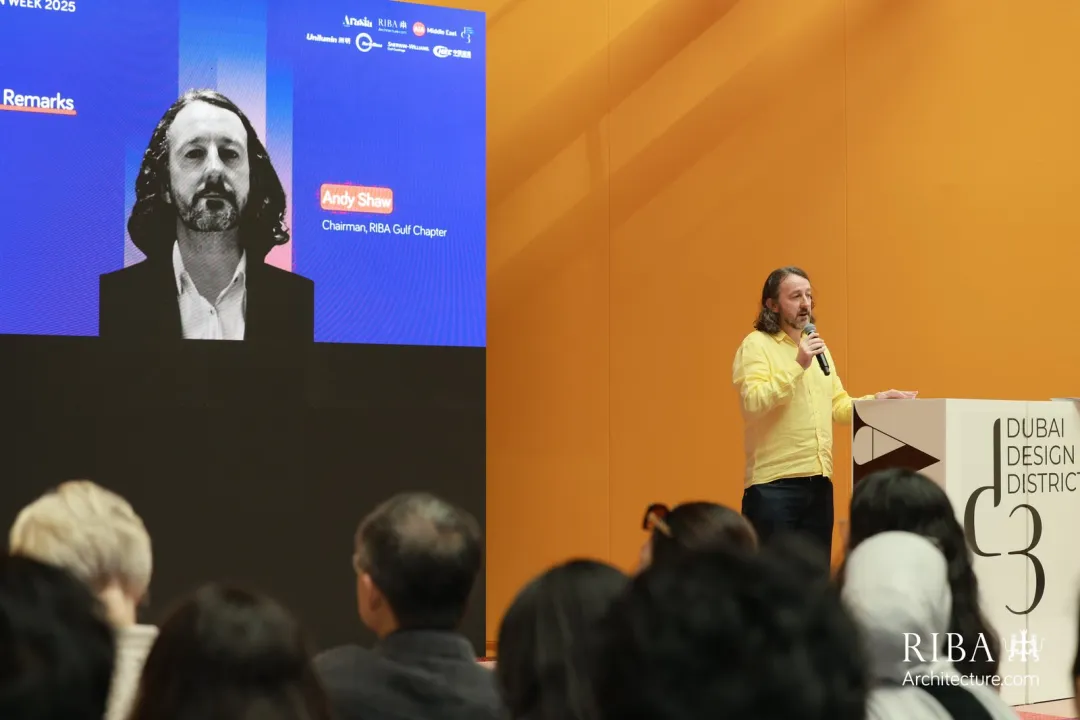
Andy Shaw
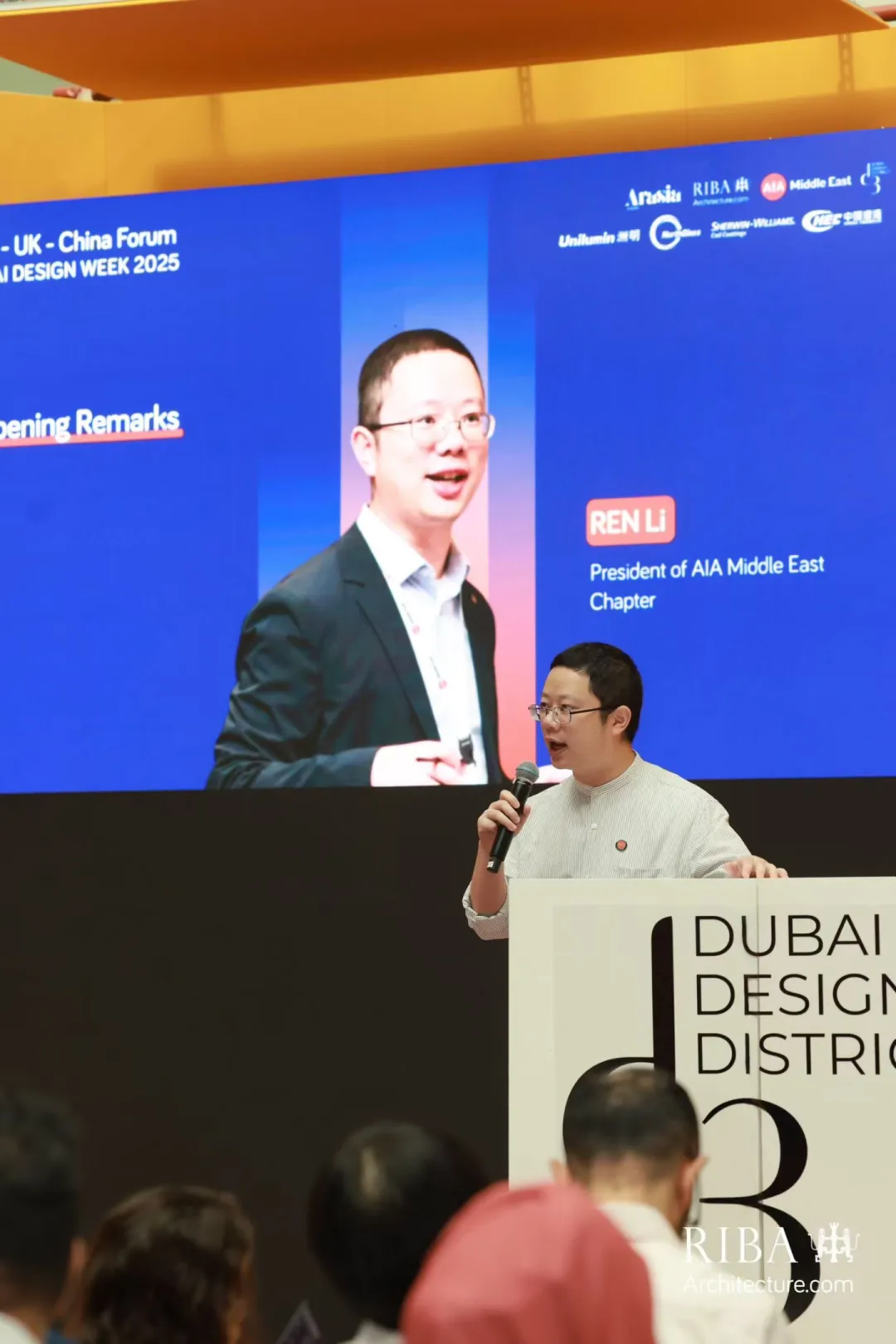
REN Li
Panel 1 / The Construction and Design Needs of Emerging Nations
Hosted by Andy Shaw, Chairman of the RIBA Gulf Chapter, Jassim Nalakam Parambil, Director of Culture & Entertainment at UniLumin, delivered the opening speech. Six distinguished architects delivered wonderful presentations, including REN Lizhi (Vice president, Chief Architect in TJAD Design (Group) Co., LTD), Timothy Winstanley (AtkinsRéalis UAE Design Director), ZHUANG Ziyu (Principal Architect of BUZZ/Büro Ziyu Zhuang), Matthew Utley (Principal, Grimshaw Architects), Olly Bradley-Barnard (Chapman Taylor Director, UAE & London), and DUAN Kun (Managing Director- UAE, China Harbour Engineering).

Jassim Nalakam Parambil
Jassim Nalakam Parambil introduced Unilumin’s active involvement in the fields of architectural design and urban development, and expressed strong enthusiasm for future possibilities that integrate their technologies with architectural design. Unilumin drives innovation in architectural design through its advanced display and intelligent lighting technologies. The company not only provides high-quality visual solutions that enhance the aesthetics and functionality of architectural spaces, but also actively supports green building and smart city initiatives, promoting energy efficiency and sustainability. Unilumin is leading new trends in the application of technology in architecture, creating future-ready buildings that seamlessly combine beauty, functionality, and environmental responsibility.
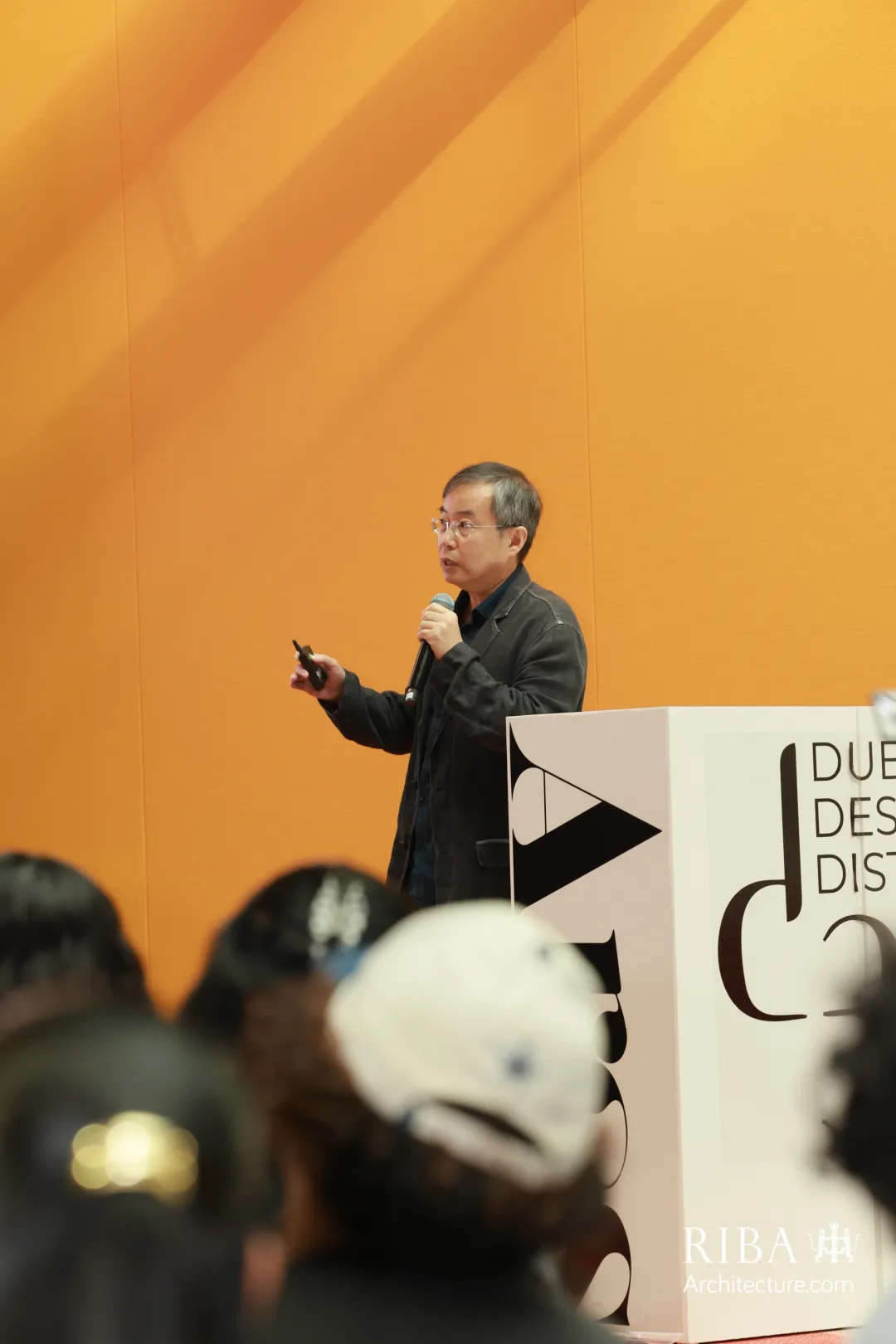
REN Lizhi
Based on the concept of vertical cities, REN Lizhi explored the design philosophy of high-rise buildings from aspects such as structural innovation, ecological low-carbon development, and resilient sustainability. He also argued that a high-performance urban open system for vertical cities should be constructed, where the open public space system of vertical cities is interconnected with high-quality urban infrastructure and public service system elements, and integrated with the urban public space system, thus becoming an indispensable part of the city.
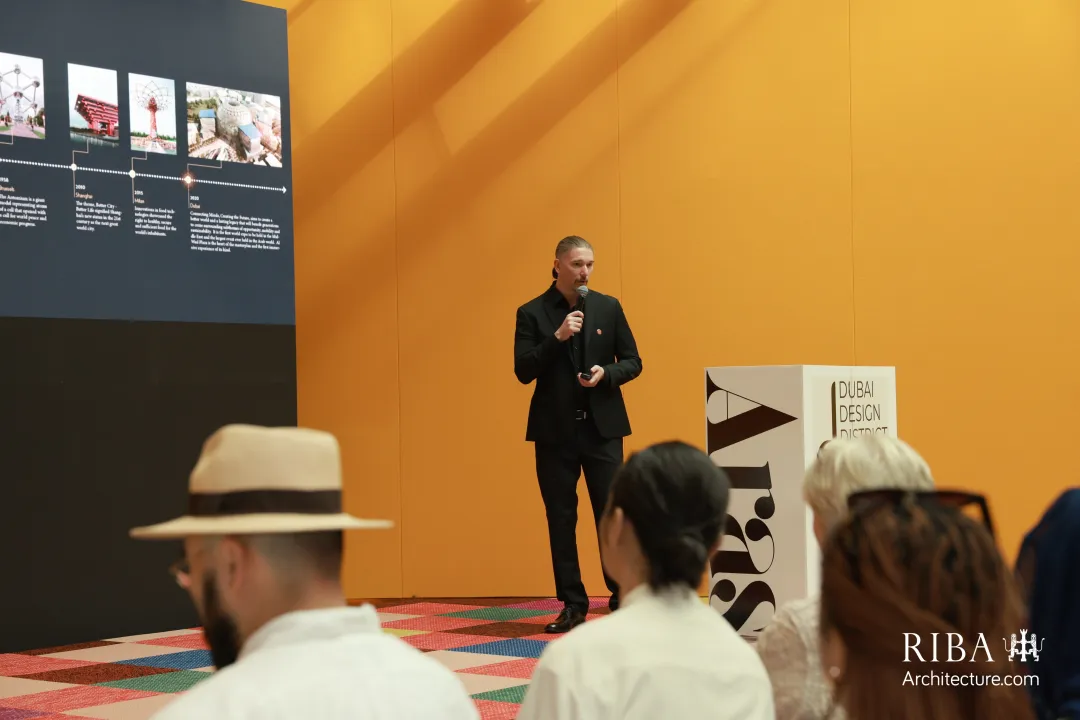
Timothy Winstanley
Timothy Winstanley used two large-scale public projects to illustrate the design process of long-span spaces from conception to completion. He emphasized the application of new design methods in the design and construction processes, as well as how to build high-quality buildings in emerging countries.
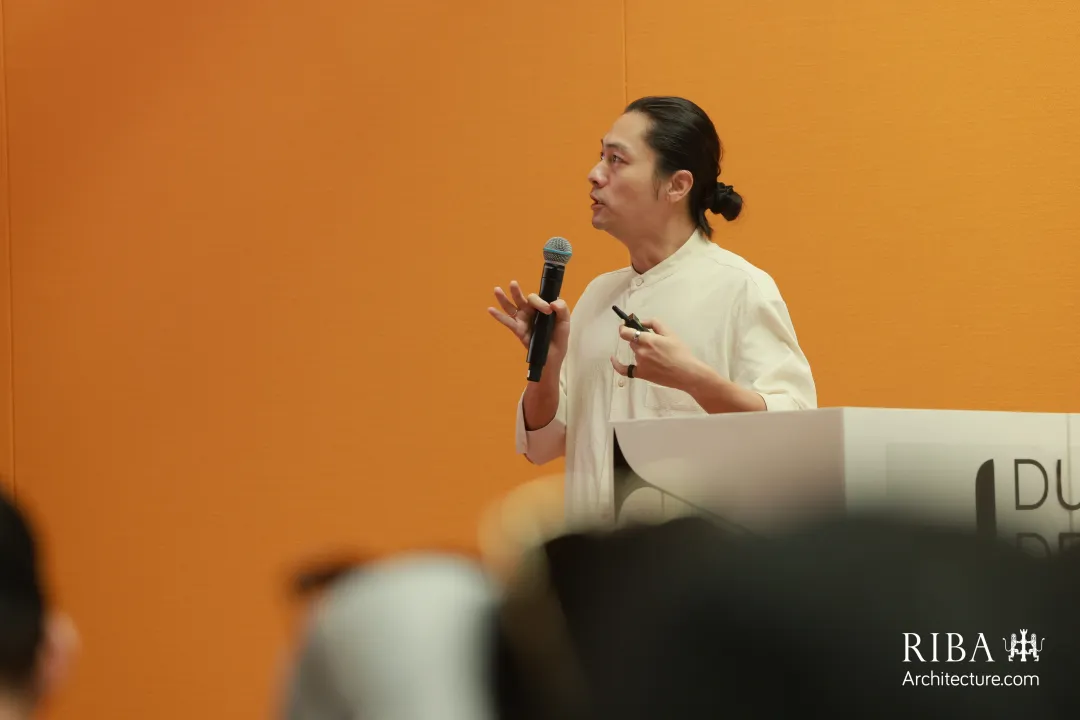
ZHUANG Ziyu
ZHUANG Ziyu explored the redefinition of space in scattered narration through small-scale experimental projects. Drawing inspiration from ancient Chinese paintings, he sorted out the types of traditional architecture from the artworks, translated them into prototypes of contemporary architectural spaces, and depicted classical artistic conceptions with modern design language.
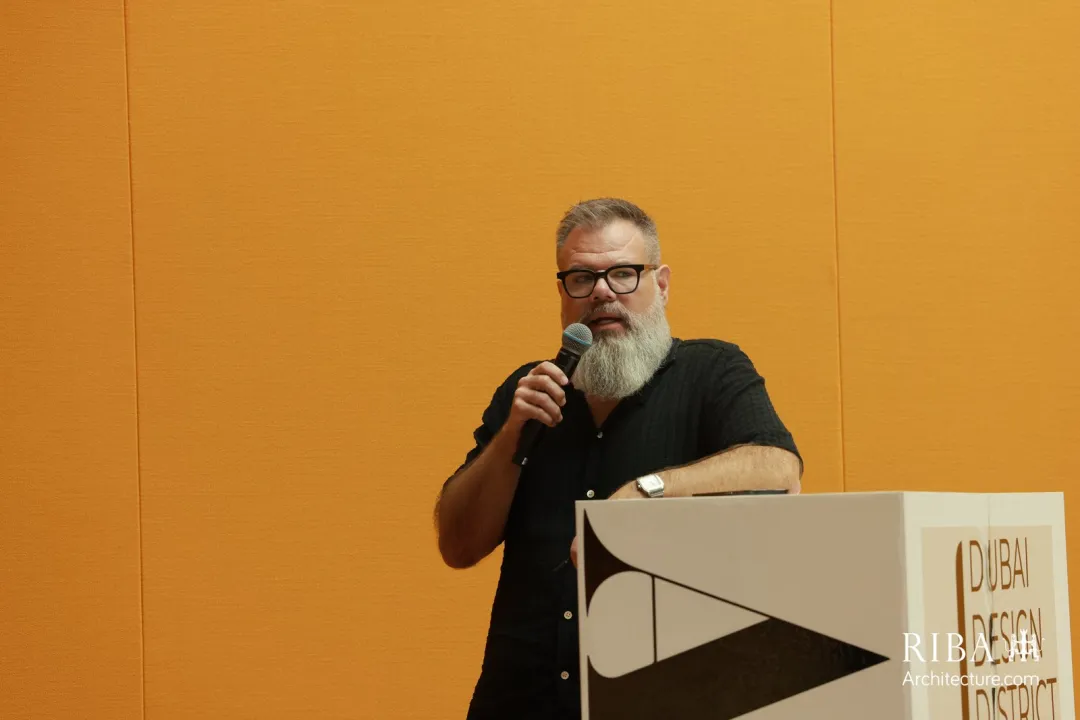
Matthew Utley
Matthew Utley introduced the development history, distribution of major projects, and design philosophy of Grimshaw Architects. He focused on four projects based on adaptive design and discussed the efforts made by Grimshaw Architects in this regard.

Olly Bradley-Barnard
Olly Bradley-Barnard introduced the development history of Chapman Taylor and its practical projects in the UAE, China, and the UK. He argued that urban development in the UAE focuses on sustainability, cultural integration, luxury and value generation; urban development in China emphasizes high-density urban models, technological integration, and rapid construction; while the UK places greater emphasis on historical context, public spaces, and regulatory frameworks.
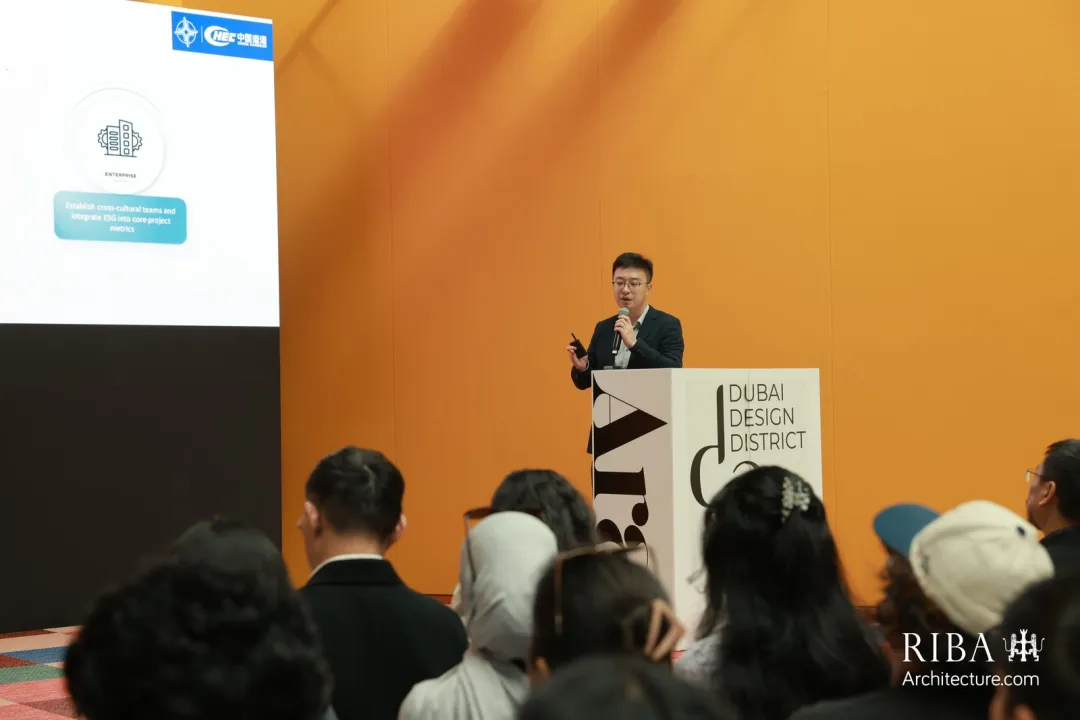
DUAN Kun
DUAN Kun introduced the development overview of China Harbour Engineering Co., Ltd. in the Middle East. He stated that the future development trends of the Middle East will be green, smart, and low-carbon.
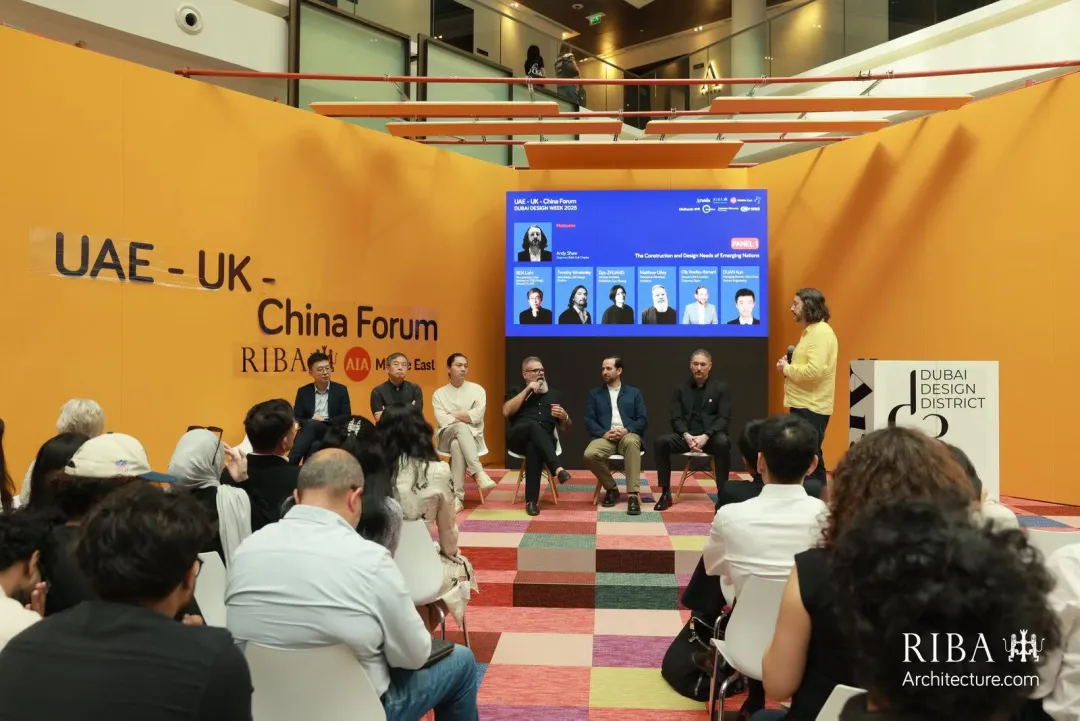
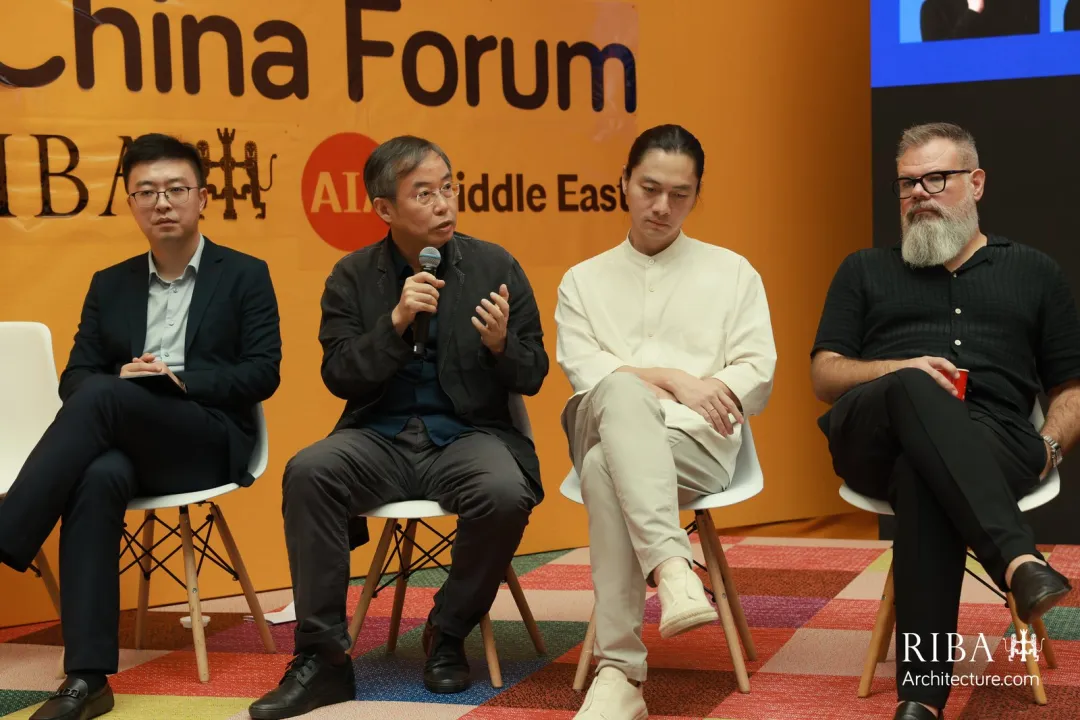

After the presentations, under the chairmanship of Andy Shaw, the six architects discussed the architectural design needs of emerging countries, as well as the opportunities and challenges for international architects, from the multi-dimensional perspectives of cultural identity, environmental sustainability, social inclusion, economic feasibility, and appropriate technology.
Panel 2 / The Future of Urban Living
Hosted by Maya Cochrane, Treasurer the RIBA Gulf Chapter, Nancy Wang, Nancy Wang, Director of International Sales Department, Glass Deep Processing Division of NorthGlass, delivered the opening speech. Six architects delivered wonderful presentations, including JIANG Yu (Senior Partner, Executive President, Design Director, gad Design Group), Tarek Farid (Principal and ME Regional Manager at Perkins Eastman), Eric SHING (Founder & Chief Architect of spdg), Chris Dite (Global lead of Sport and Leisure architecture and the Sport Business Leader at Arup), Jio LI (Founder / Design Director of a9a rchitects), and Arjan Pit (Managing Director MEA UNStudio Middle East FZ LLC).

Nancy Wang
Nancy Wang shared North Glass’s expertise in the architectural sector. With extensive experience in façades, interior and exterior decorative glass, and daylighting systems, the company enhances both aesthetics and functionality in building projects. North Glass actively supports green building and sustainability through energy-efficient and intelligent materials, reducing energy consumption and improving comfort. In landmark and urban projects, its technologies demonstrate the deep integration of material innovation with architectural design. Moving forward, North Glass will continue to drive the industry with technological innovation, creating modern buildings that are innovative, visually striking, and sustainable.
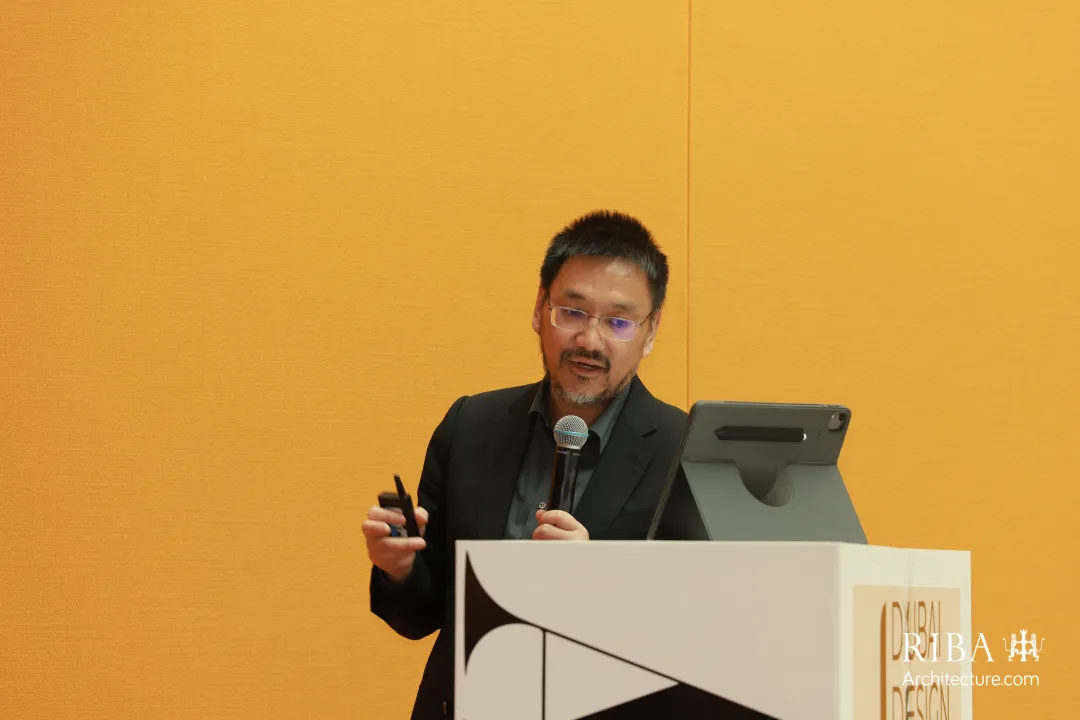
Jiang Yu
Jiang Yu delivered an introduction to the representative works of gad over its 28 years of establishment around the theme of nature, city and culture. Drawing inspiration from traditional Chinese architecture and gardens, he has created livable modern urban communities.

Tarek Farid
Tarek Farid explored the future of urban life. He argued that climate resilience, global connectivity, and universal access are the keys to future sustainable cities, and this development vision needs to be realized through local action, while public-private collaboration will be a viable path towards a sustainable future.
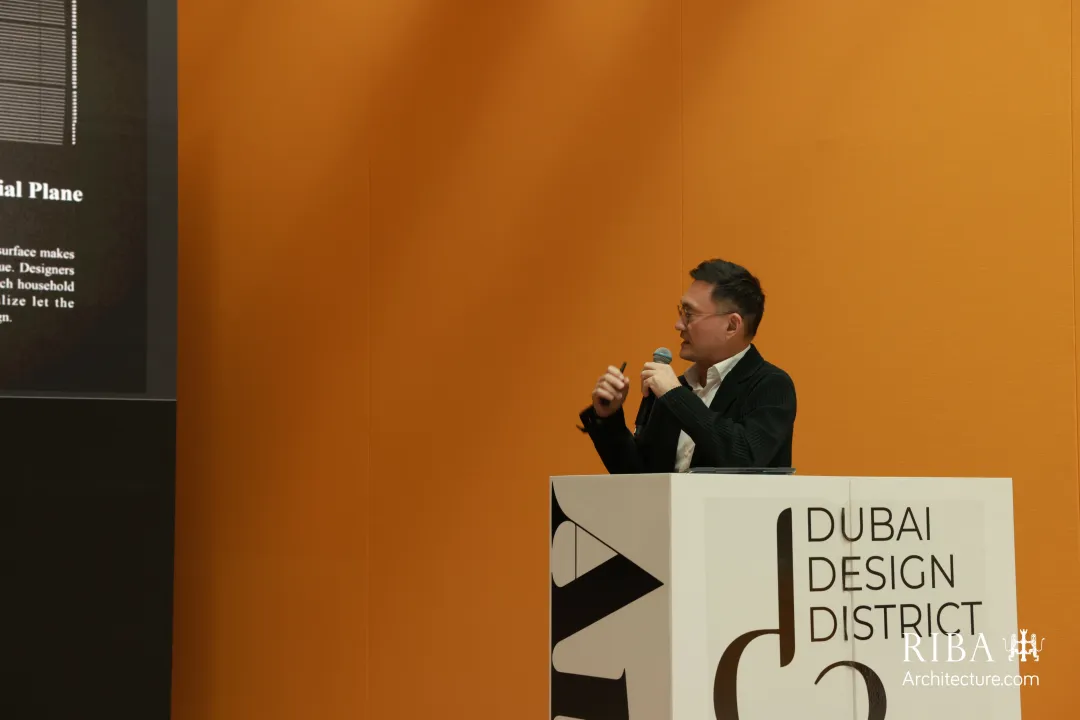
Eric SHING
Eric SHING introduced the development history and key practices of SPDG. The first is transforming central business districts into mixed-use areas; the second is expanding the functions of hotels; the third is designing wellness facilities for all areas; the fourth is creating meaningful urban landmarks; and the fifth is implementing the concept that architecture is integrated with nature.
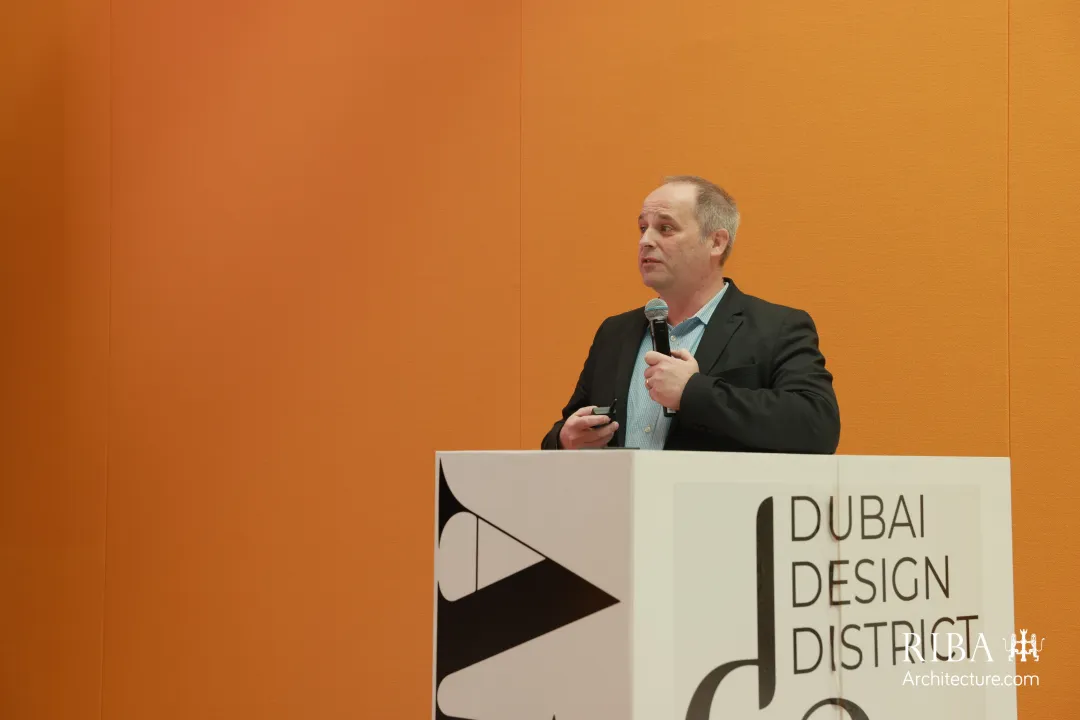
Chris Dite
Chris Dite proposed the philosophy that "Architecture for living; places for people." Through the design practice of large-scale public buildings, ARUP has integrated people-centered place design into every detail.

Jio LI
Jio LI explored natural forces, nature from a cultural perspective, and the context of business. He held that business should be restructured by virtue of traditional materials and historical context, and through his own design practices, he illustrated how to give these three elements a modern interpretation.
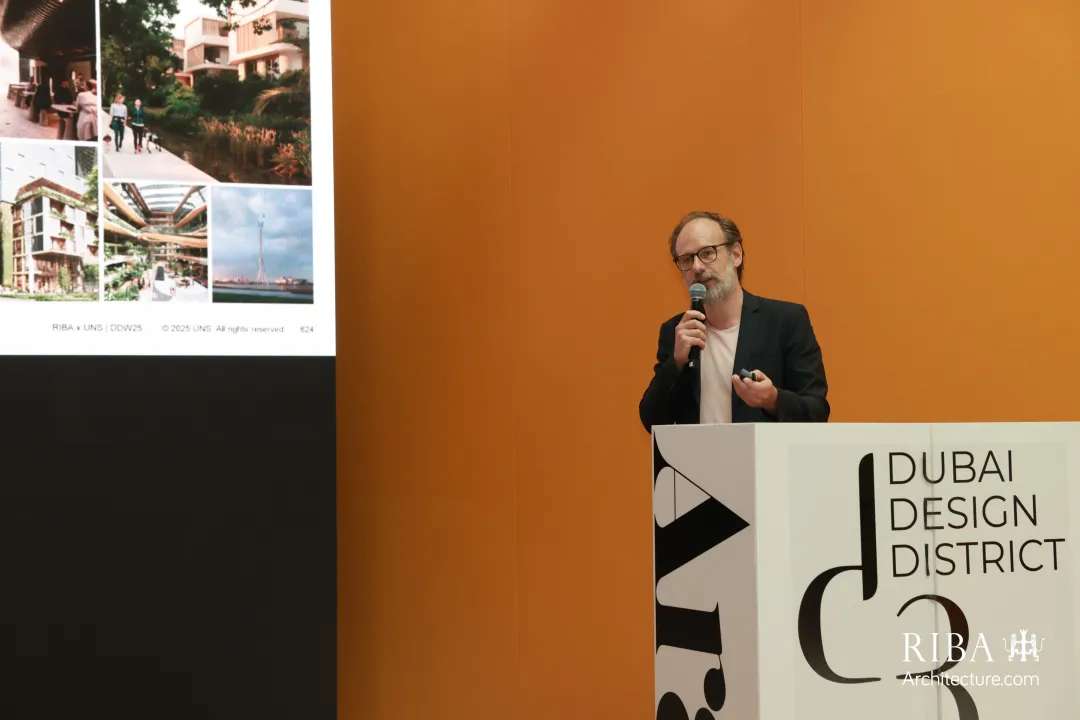
Arjan Pit
Arjan Pit argues that wellness encompasses five dimensions: emotional, physical, intellectual, spiritual, and social. UNS prioritizes wellness and positive interaction, creating environments that support both physical and mental health. Its design approach integrates functionality with aesthetics to deliver immersive and engaging spaces that enrich daily life experiences.
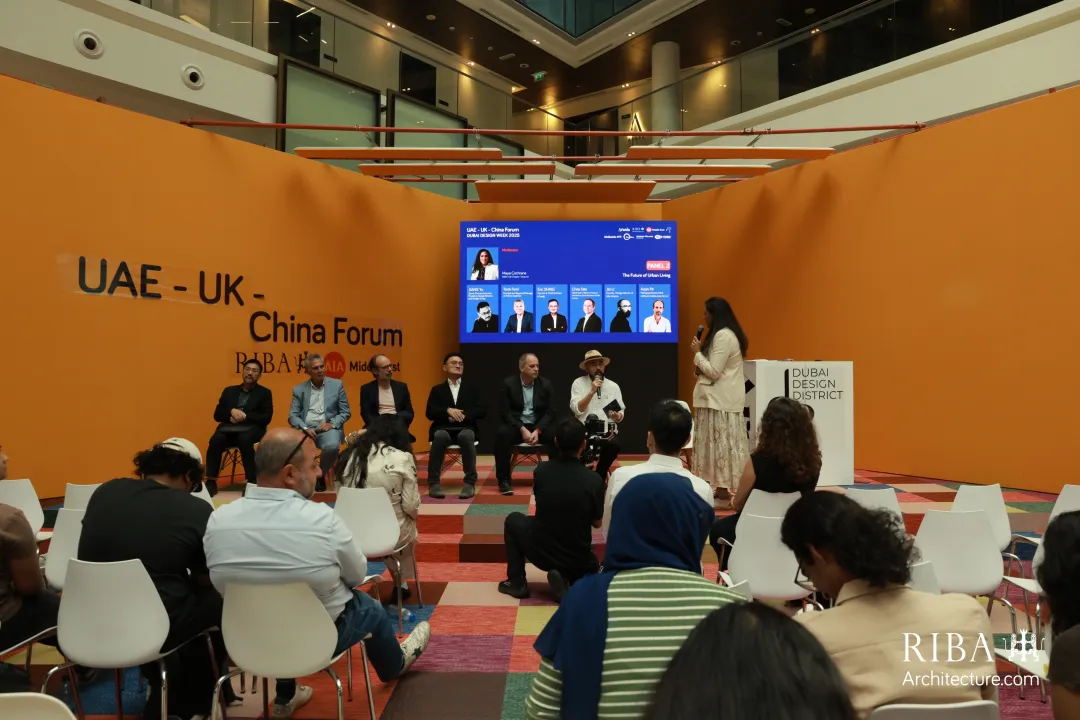
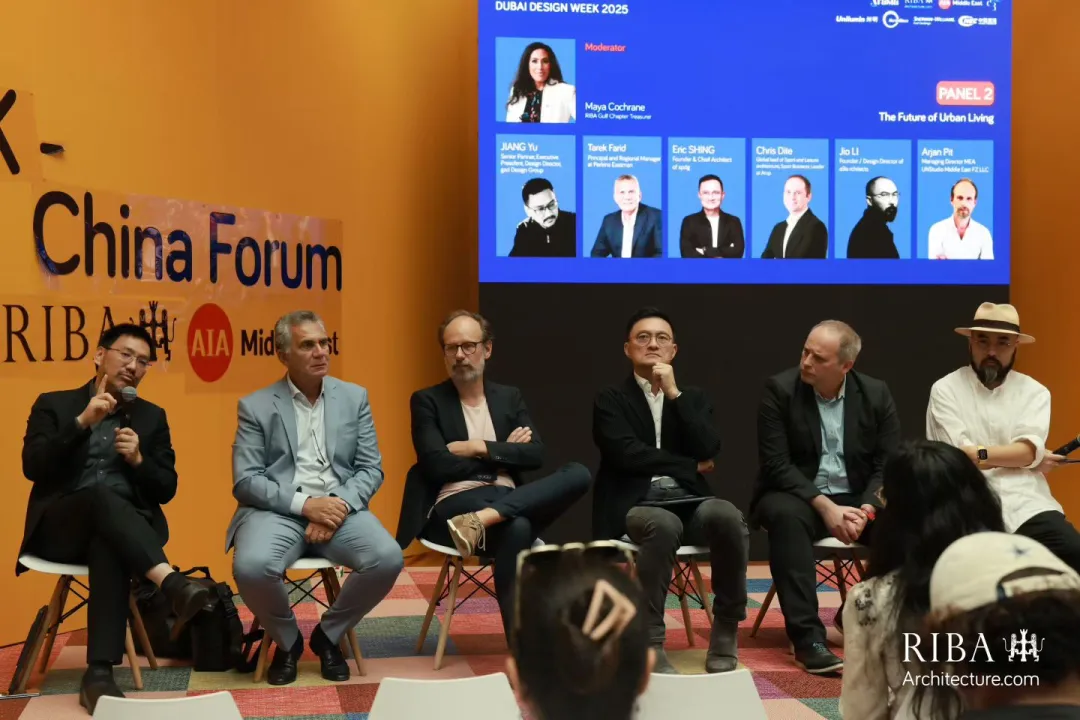
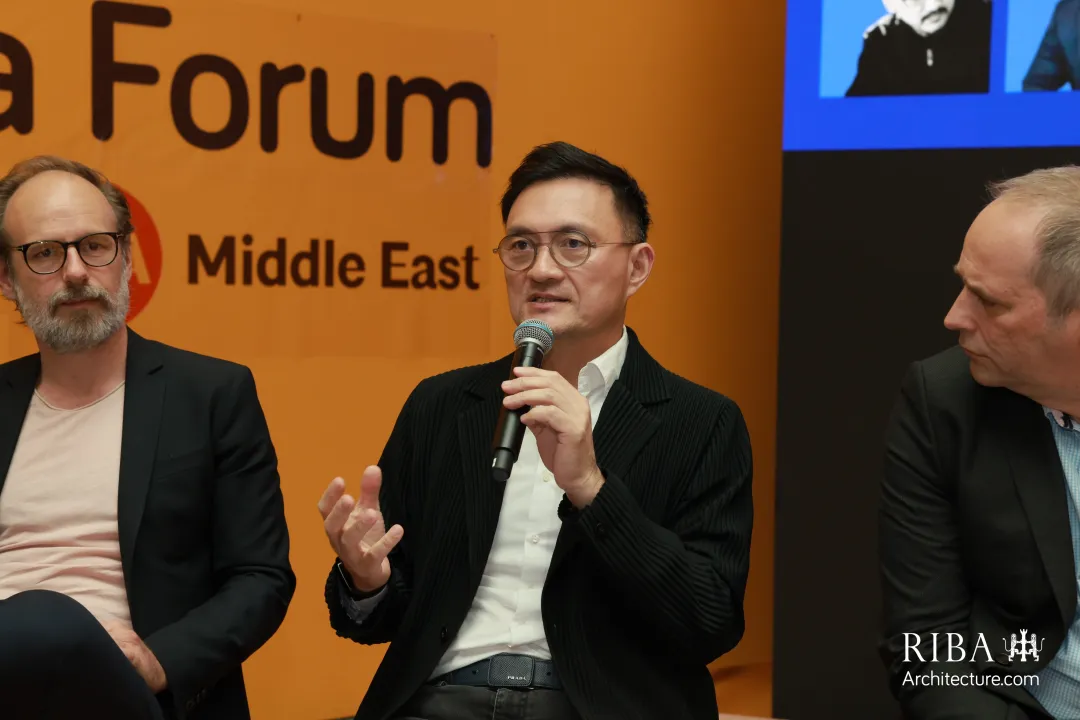
After the presentations, under the chairmanship of Maya Cochrane, the six architects conducted discussions on the residential spaces and mixed-use development designs required for future cities. They explored how to realize the integration of "global vision to local action" and identified the key factors that will determine the design direction of future residential spaces.