Signals from Asia: The Contours of Architecture Are Coming into Focus
Abstract
Founded in 1834, the Royal Institute of British Architects (RIBA) has grown into one of the world’s most historically grounded and influential professional institutions in architecture. For nearly two centuries, RIBA has continuously shaped architectural excellence through its rigorous education accreditation systems, professional practice oversight (including PEDR reviews), and internationally respected awards programs. Acting as a bridge between tradition and the future, RIBA has become a cornerstone of global architectural practice.
In the context of globalization, RIBA has developed a long-standing and deeply rooted relationship with the East—particularly the Asia-Pacific region. RIBA’s mission of architecture serving society resonates strongly with Eastern cultural values that emphasize humanism, sustainability, and collective well-being. Asia’s high-density urban environments, cultural plurality, and complex social realities have, in turn, reshaped RIBA’s understanding of sustainability, urban resilience, and architectural responsibility.
Author:
Liu Zhangyue, Yang Ye
Publish Date:
12/21/25
Category:
Features
Core Arguments/Data
When RIBA’s Vision Turns East
Founded in 1834, the Royal Institute of British Architects (RIBA) has grown into one of the world’s most historically grounded and influential professional institutions in architecture. For nearly two centuries, RIBA has continuously shaped architectural excellence through its rigorous education accreditation systems, professional practice oversight (including PEDR reviews), and internationally respected awards programs. Acting as a bridge between tradition and the future, RIBA has become a cornerstone of global architectural practice.
In the context of globalization, RIBA has developed a long-standing and deeply rooted relationship with the East — particularly the Asia-Pacific region. RIBA’s mission of "architecture serving society" resonates strongly with Eastern cultural values that emphasize humanism and sustainable development. On the dynamic land of Asia, its high-density urban forms, culturally diverse and inclusive backgrounds, and complex social environments have, in turn, reshaped RIBA’s understanding of sustainability, urban resilience, and architectural social responsibility.
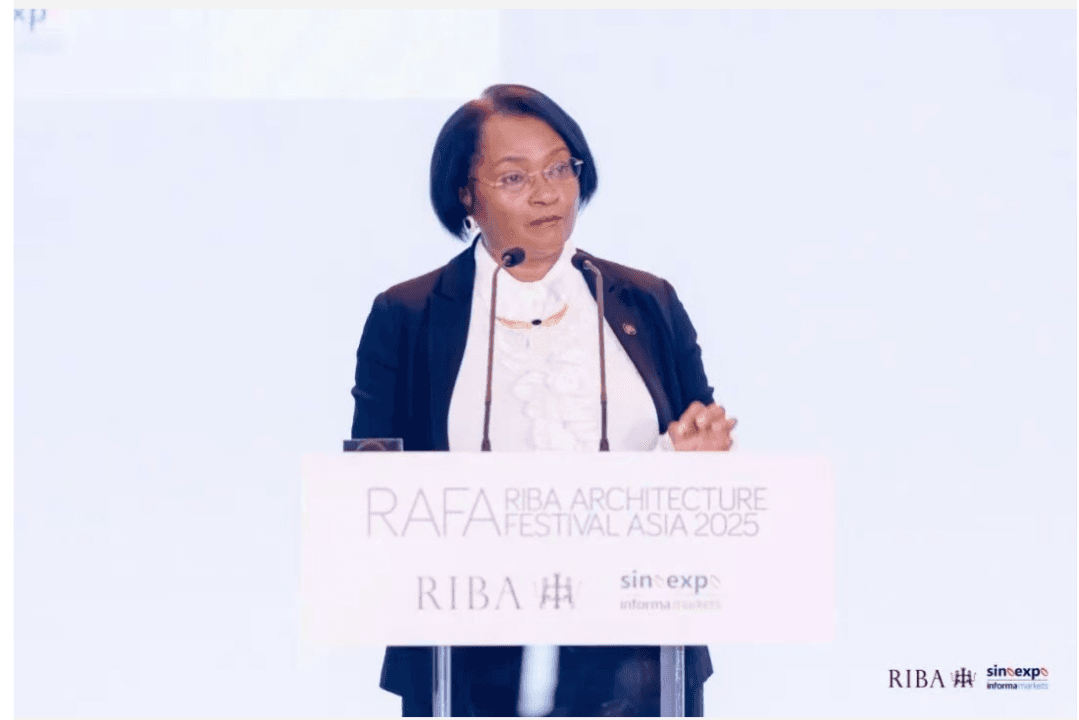
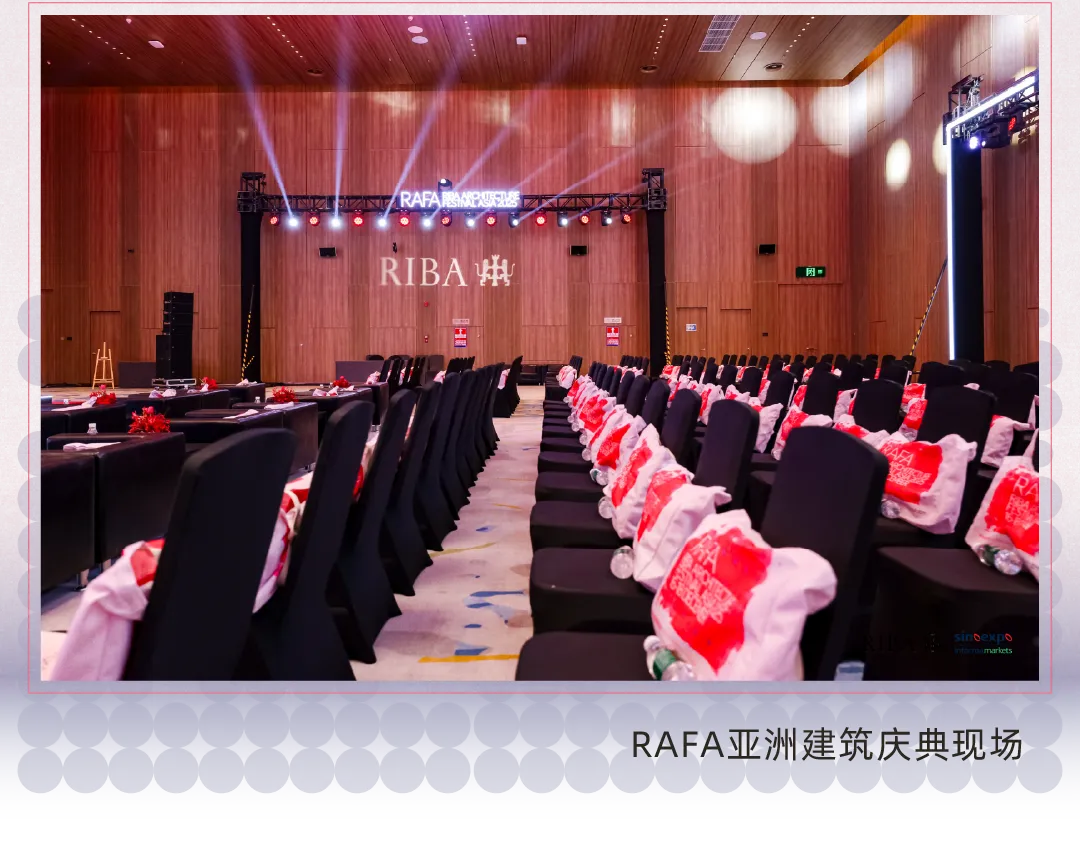
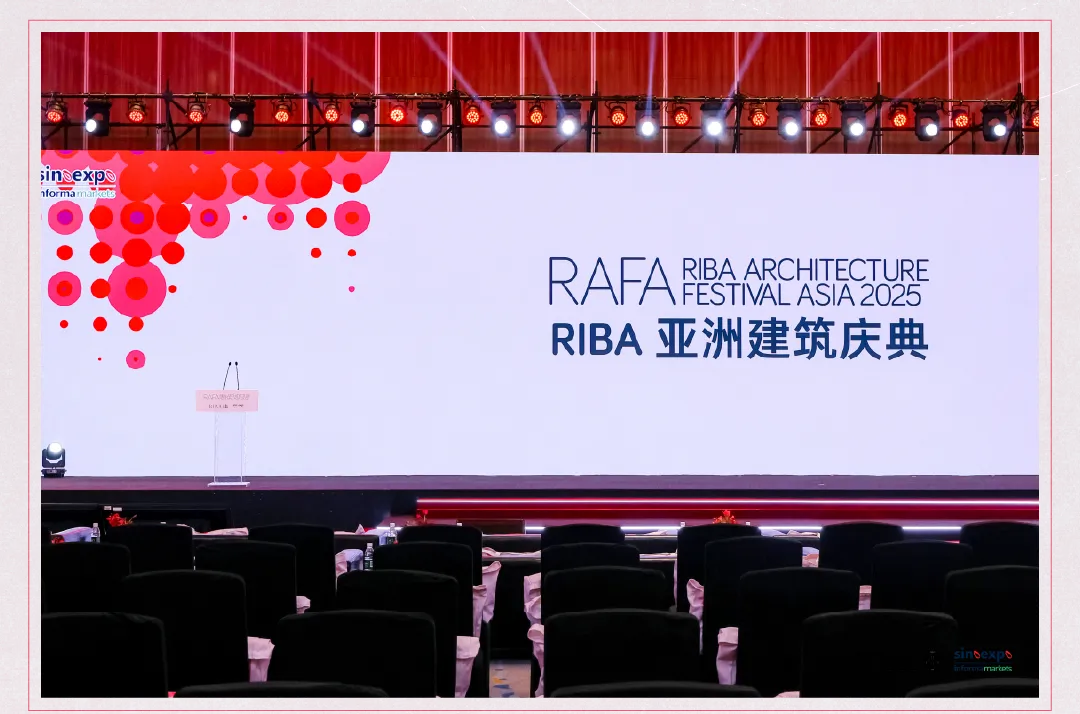
During the inaugural RAFA Asia Architecture Festival, Wallpaper* China conducted an exclusive interview with Dr. Valerie Vaughan-Dick, CEO of RIBA, and Chris Williamson, President of RIBA. Focusing on the establishment of the Asia-Pacific Awards and the construction of RAFA’s core themes, the two shared their keen insights into the Asian architectural ecosystem and jointly explored the future development possibilities of Asian architecture.
Wallpaper (W): What was the original idea behind the RAFA Asia Architecture Festival?
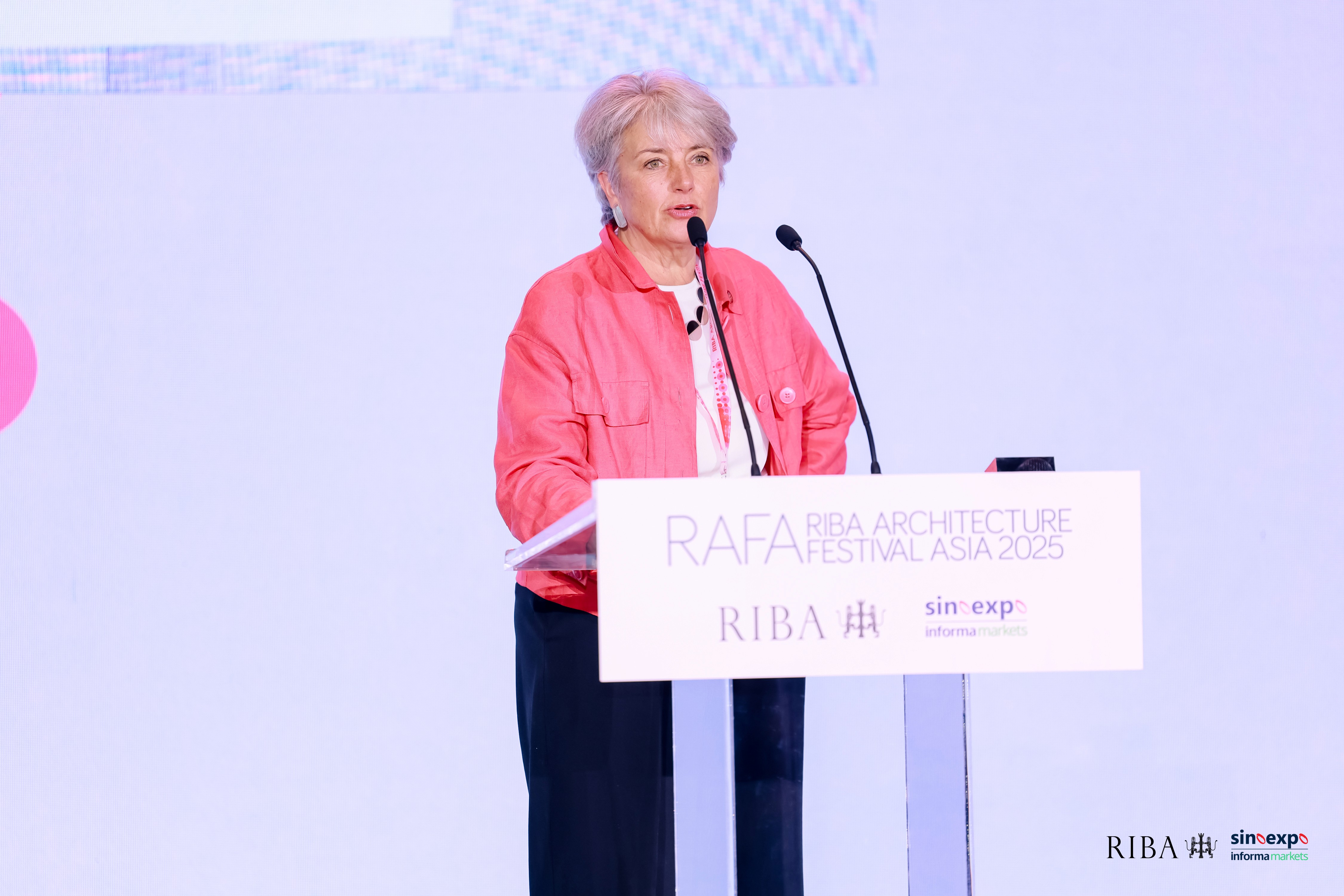
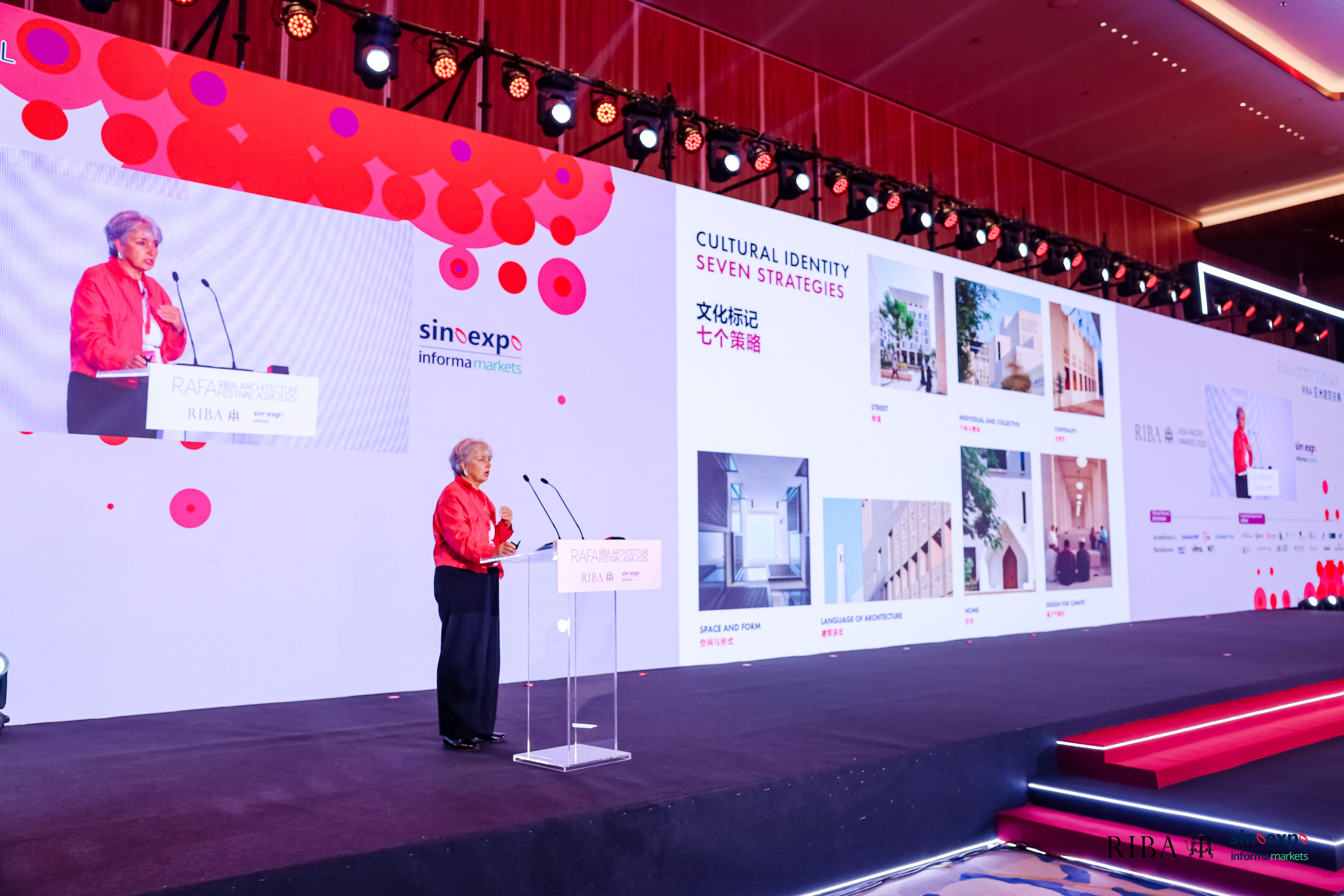
Dr. Valerie Vaughan-Dick: The idea behind RAFA was actually very simple at the beginning — to create a platform for architects to communicate and connect. While focusing on Asia, we hope it will gradually develop into an event with global influence.
Today, RAFA has fully realized this original intention. The three-day seminar has gathered many outstanding and talented architects — they all have their own voices in the architectural industry, being both thinkers and visionaries. Moreover, they come not only from Asia but also from all over the world, thus bringing different ideas and cultural perspectives to truly learn from and communicate with each other here.
W: How was the jury for the Asia-Pacific Awards assembled, and how do the criteria differ from other awards?
Dr. Valerie Vaughan-Dick: RIBA operates within a "vast network" spanning 115 countries worldwide. When assembling the jury, we deliberately broke national and cultural boundaries and adopted cross-regional mixed grouping.
Bringing together so many architects from different backgrounds and with different perspectives makes the judging process not just a task, but a deep cross-regional and cross-cultural exchange. We hope to build a truly global professional dialogue platform that transcends geography and culture through this approach.
W: What are the notable topics in the forum section of this festival?
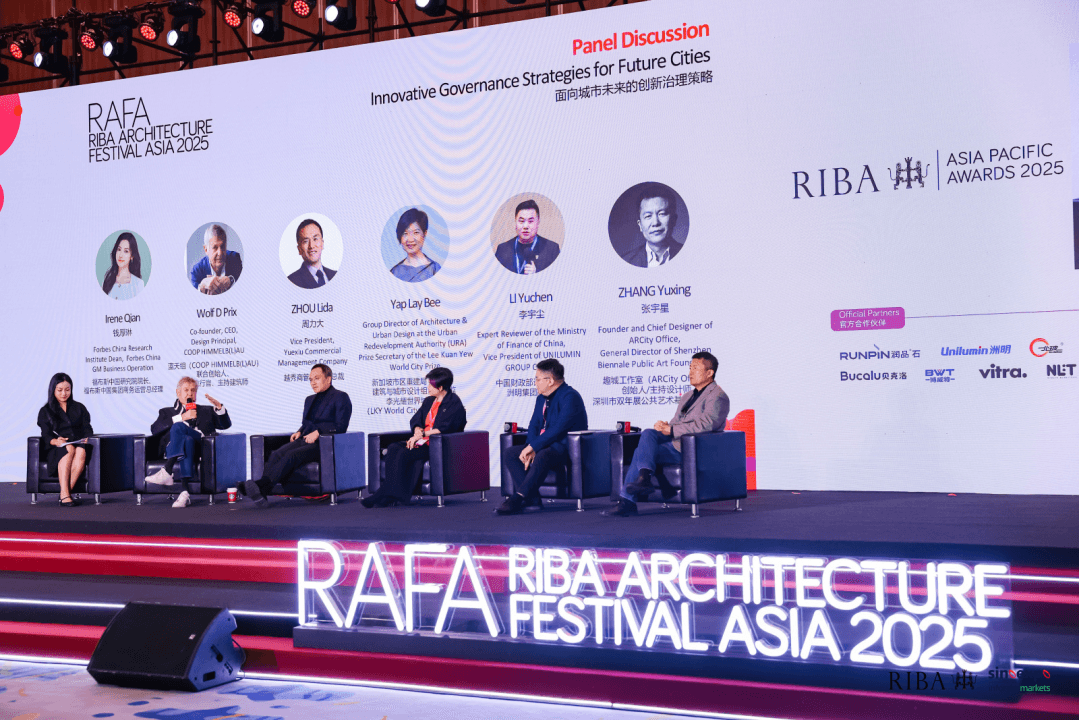
Dr. Valerie Vaughan-Dick: The architectural industry is facing many unprecedented challenges, such as the climate crisis, technological innovation, urban transformation, and other major issues that are profoundly changing how we design, construct, and manage the built environment. For this reason, we have curated a series of high-quality forums and activities for this architecture festival, focusing on: policy innovation in design and development, AI and generative design, healthy and livable environments, and sustainable design.
In addition, "She Is an Architect" is also a special event worth paying attention to at this year’s RAFA. It is remarkable that I am honored to be the first non-white and female CEO in nearly 200 years. I am personally very passionate about promoting the development of women in the industry and have always advocated for equity, diversity, and inclusion — which is also one of RIBA’s core strategies.
W: "The future" is the most frequently mentioned keyword at the festival. What kind of future vision do you think Asian architecture is presenting to the world?
Dr. Valerie Vaughan-Dick: Asia’s architectural scene is vibrant and developing rapidly, and it is an important force driving global architectural innovation. Currently, the common challenge we face is how to better integrate technological revolution with people’s real needs.
Although AI and generative design are reshaping our industrial chain, the ultimate goal of technology must always return to people themselves. The key challenge lies in how to use these cutting-edge tools — not only to improve efficiency but also to focus on creating healthy, livable cities and living spaces that can enhance people’s sense of happiness and physical and mental health. Therefore, the architecture of the future must actively embrace technological innovation while always putting the core of "architecture for people" first.
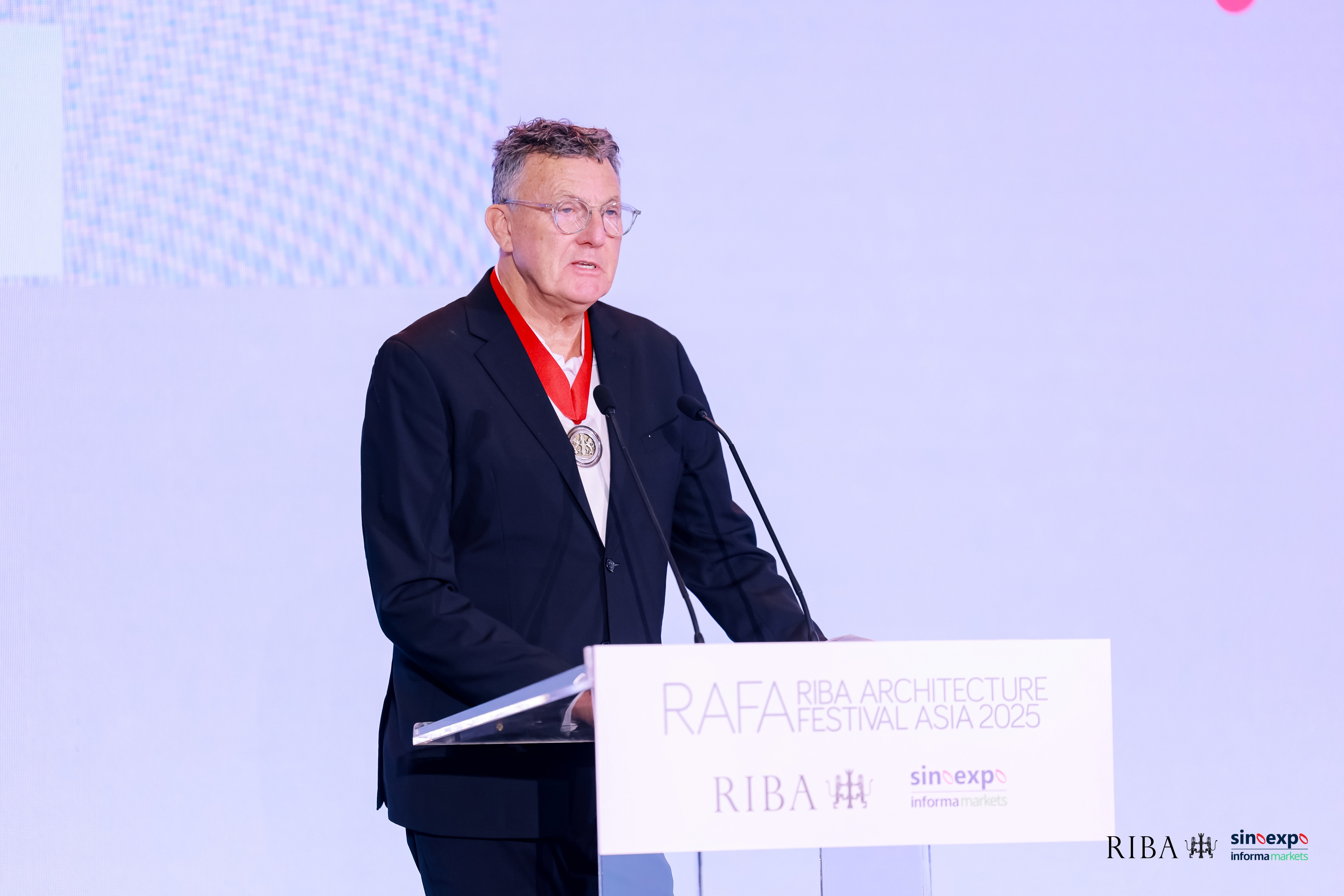
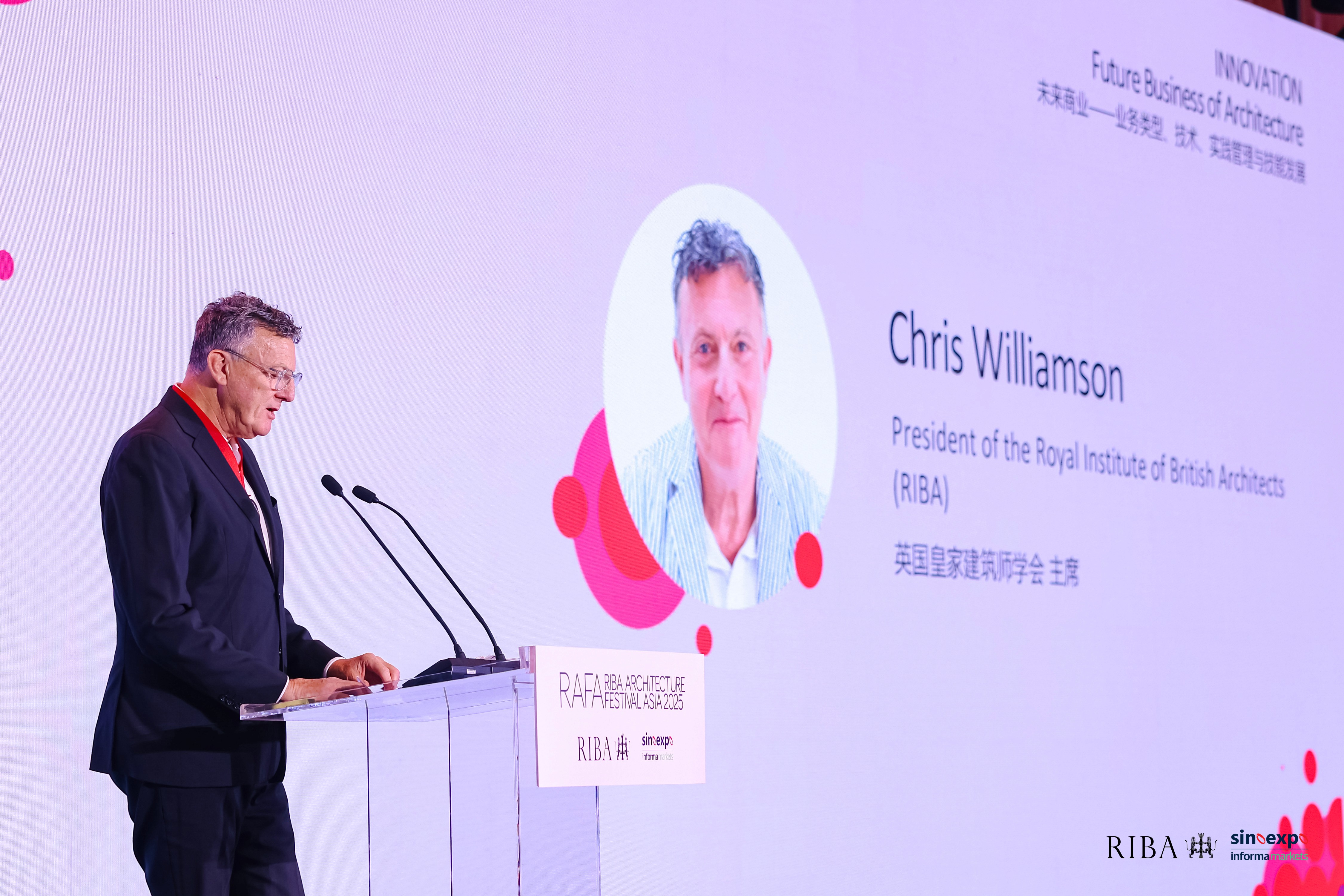
Talk with Chris Williamson(President of the Royal Institute of British Architects
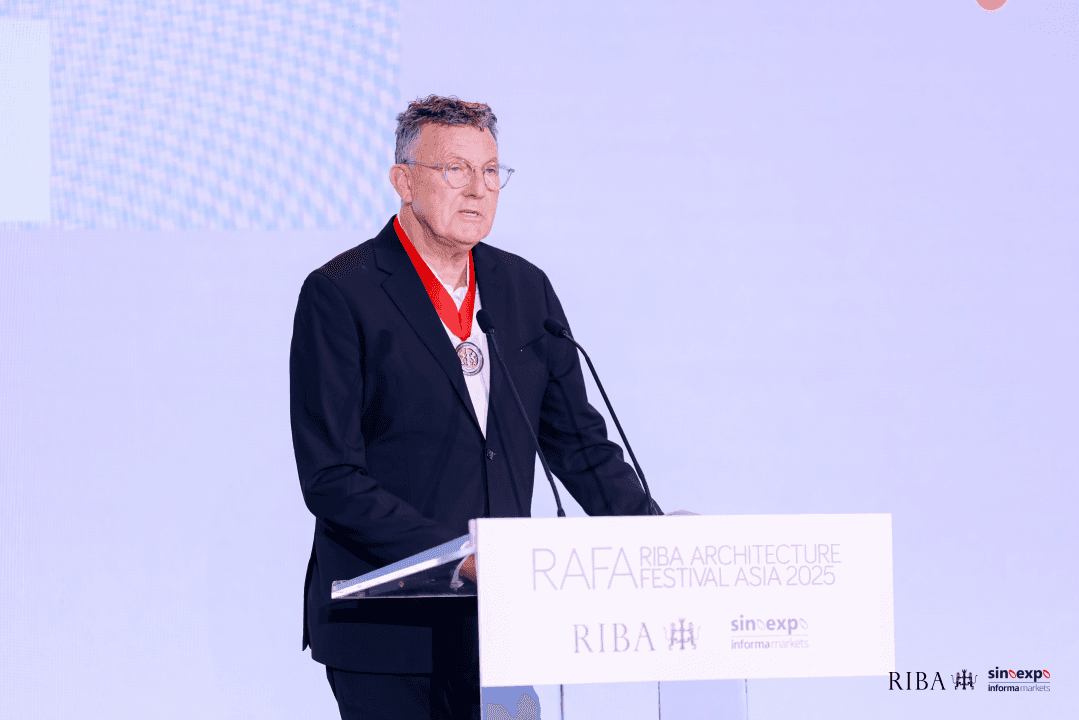
W: Following the establishment of international awards in 2016, RIBA has further focused its selection scope on the Middle East and Asia-Pacific regions this year. What is the reason behind this?
Chris Williamson: We decided to establish regional awards mainly because RIBA’s communities in the Asia-Pacific and Middle East regions are very active, and the quality of architectural works here is also excellent, which deserves special attention and encouragement.
These regional or national awards will serve as a stepping stone to the "International Awards". Although the International Awards have been held for several years, we now want to start with the regions first. By recognizing local works, we can gradually gather architects here to form a closer community.
W: Are there any differences between the judging criteria of the Asia-Pacific Awards and RIBA’s UK domestic awards or international awards?
Chris Williamson: They are very similar. What we value most has always been these aspects: Sustainability, Great Design, and Great Placemaking. Therefore, the core criteria are the same, which are also the focus of repeated discussions among the judges today.
This year’s selection results should be very interesting — although I did not directly participate in the judging work, I know the entire judging process is very rigorous. Moreover, judging from the entries I have seen, the quality of most works is impressive.
W: What development trends have been shown in architectural projects in the Asia-Pacific region in recent years? How should architects from different cultural backgrounds face global challenges?
Chris Williamson: Last year, when I served as a judge for the World Architecture News (WAN) Awards, I saw that the quality of projects from the Asia-Pacific region such as China and Vietnam is very high. In addition to outstanding new buildings, there are many interesting works focusing on sustainability and community building. It is indeed possible to feel that the overall level here is continuously improving.
As the President of RIBA, I hope to encourage such development. Because the challenges we face are global, it is very important to continuously learn from each other. Of course, the cultural backgrounds of various regions are indeed different — this is precisely the charm of working around the world — but the core challenges are actually the same, such as how to cooperate with the community and how to make residents truly participate. The materials may be different, and the climatic conditions may also vary, but the essence of the problems faced is no different.
W: What impression has the Asian architectural industry left on you?
Chris Williamson: What impresses me most today is everyone’s passion and vitality for architecture and the built environment. I worked in China about 15 years ago, and at that time, we were involved in high-speed rail projects. What impressed me is that the architects in this region learn very quickly. Today, both in terms of creativity and completion, the design quality presented here has reached an extremely high level.
W: How should we respond to the opportunities and challenges brought by AI?
Chris Williamson: This is a very interesting topic! I think some people are like ostriches, burying their heads in the sand and expecting problems to disappear on their own — but obviously, they won’t. Many people in the architectural industry are already at the forefront of technological development and are actively embracing AI. There is an excellent documentary called "The Thinking Game", which explores intellectual freedom, artificial intelligence, social control, and the future of humanity. I highly recommend it.
In-depth Analysis
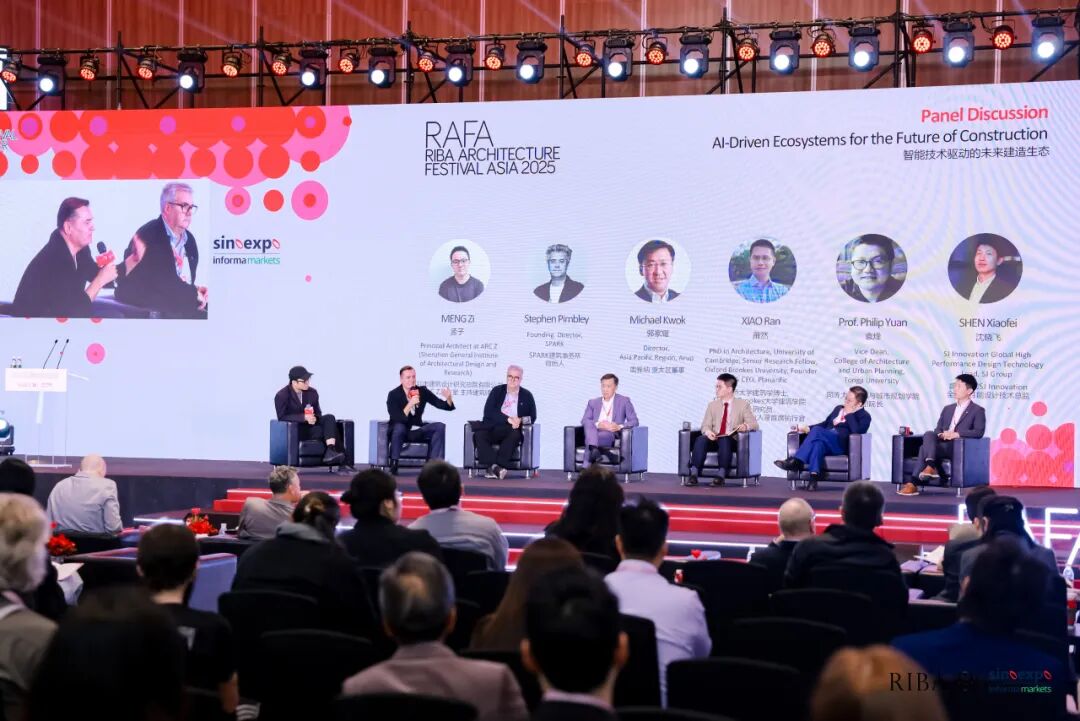
PART 2 When AI Boils Over: What Is the Architectural Industry Discussing?
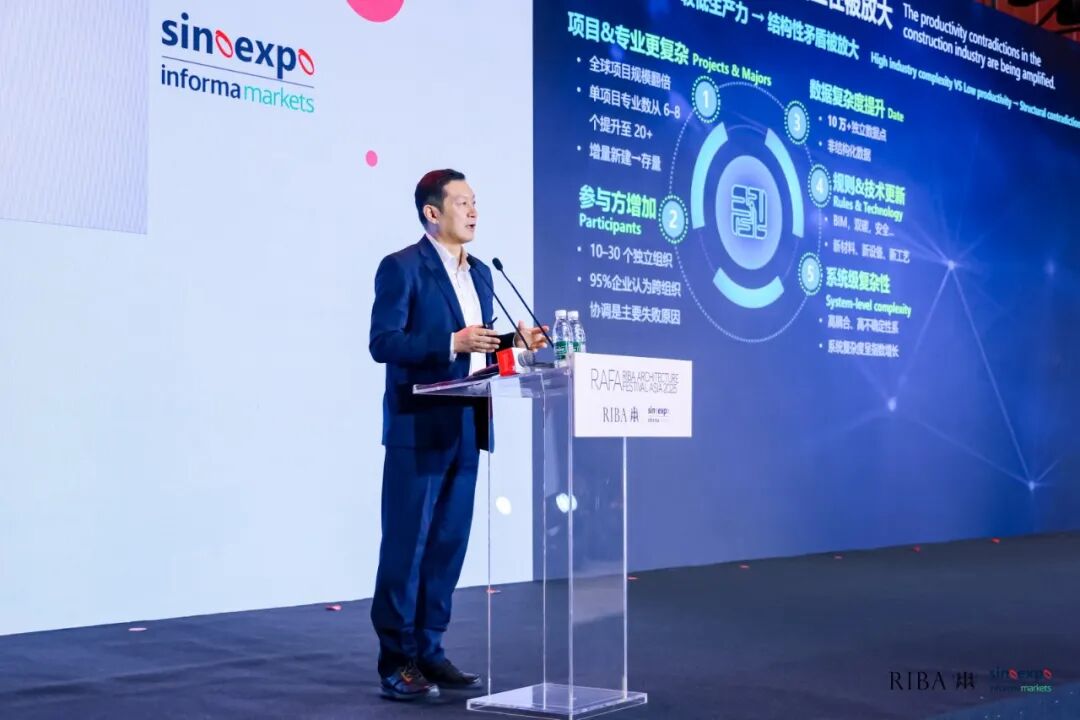
We are in a "golden age" of change — its significance can be compared to the European Renaissance or the Industrial Revolution. The world is undergoing rapid reshaping, and AI is subverting the traditions of the architectural industry.
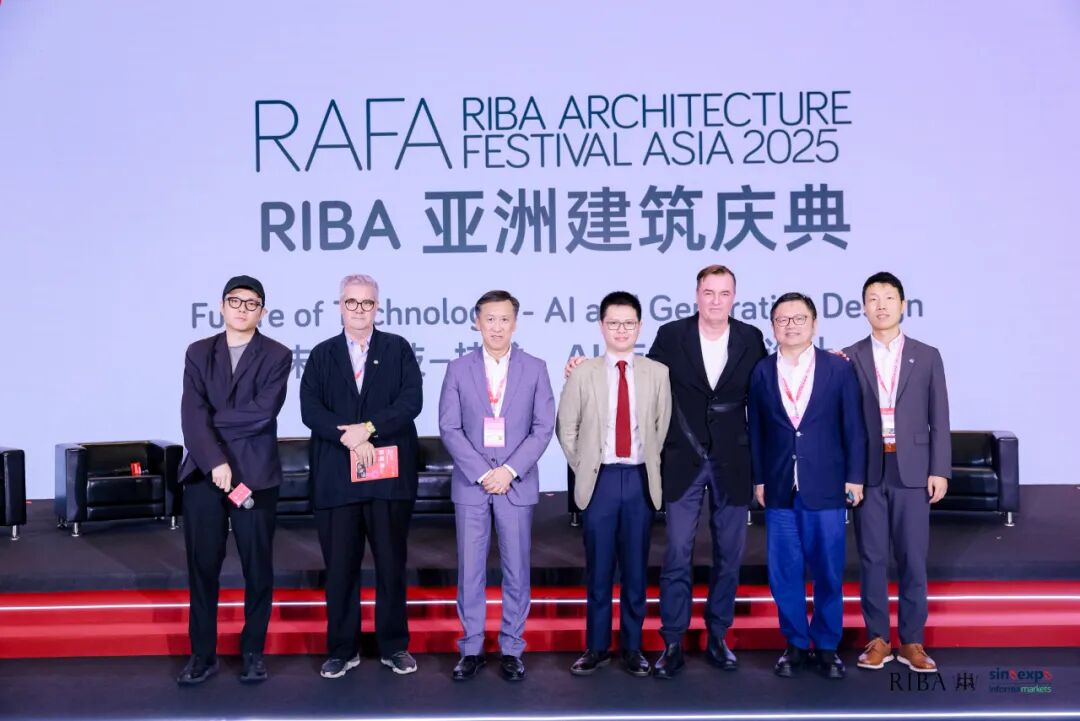
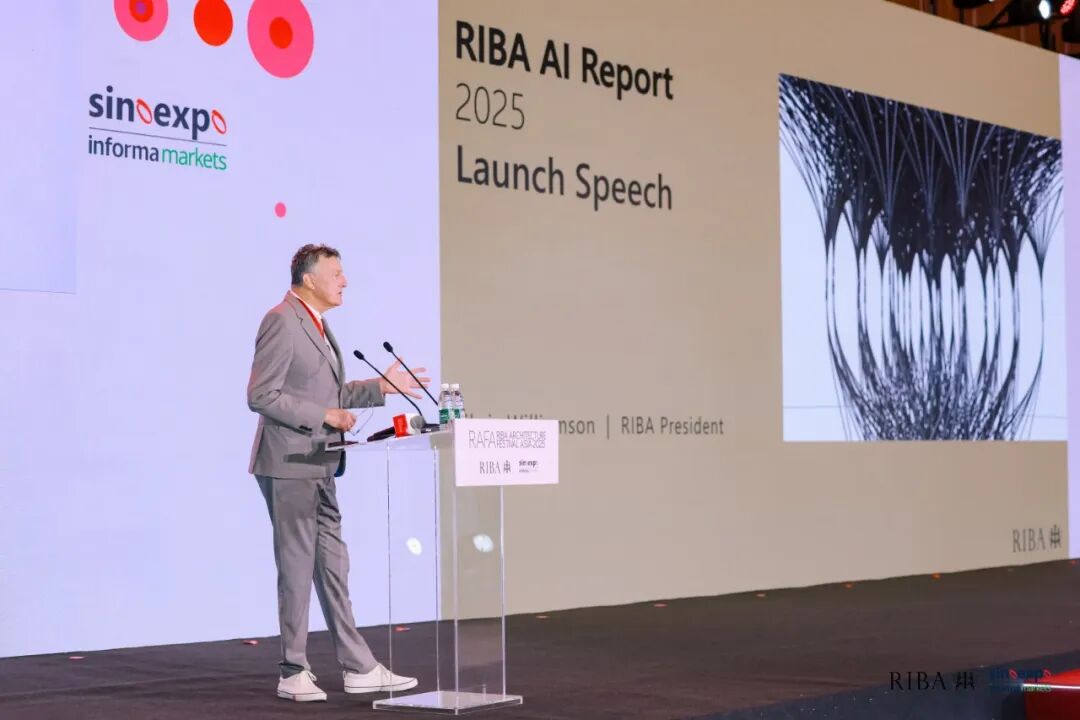
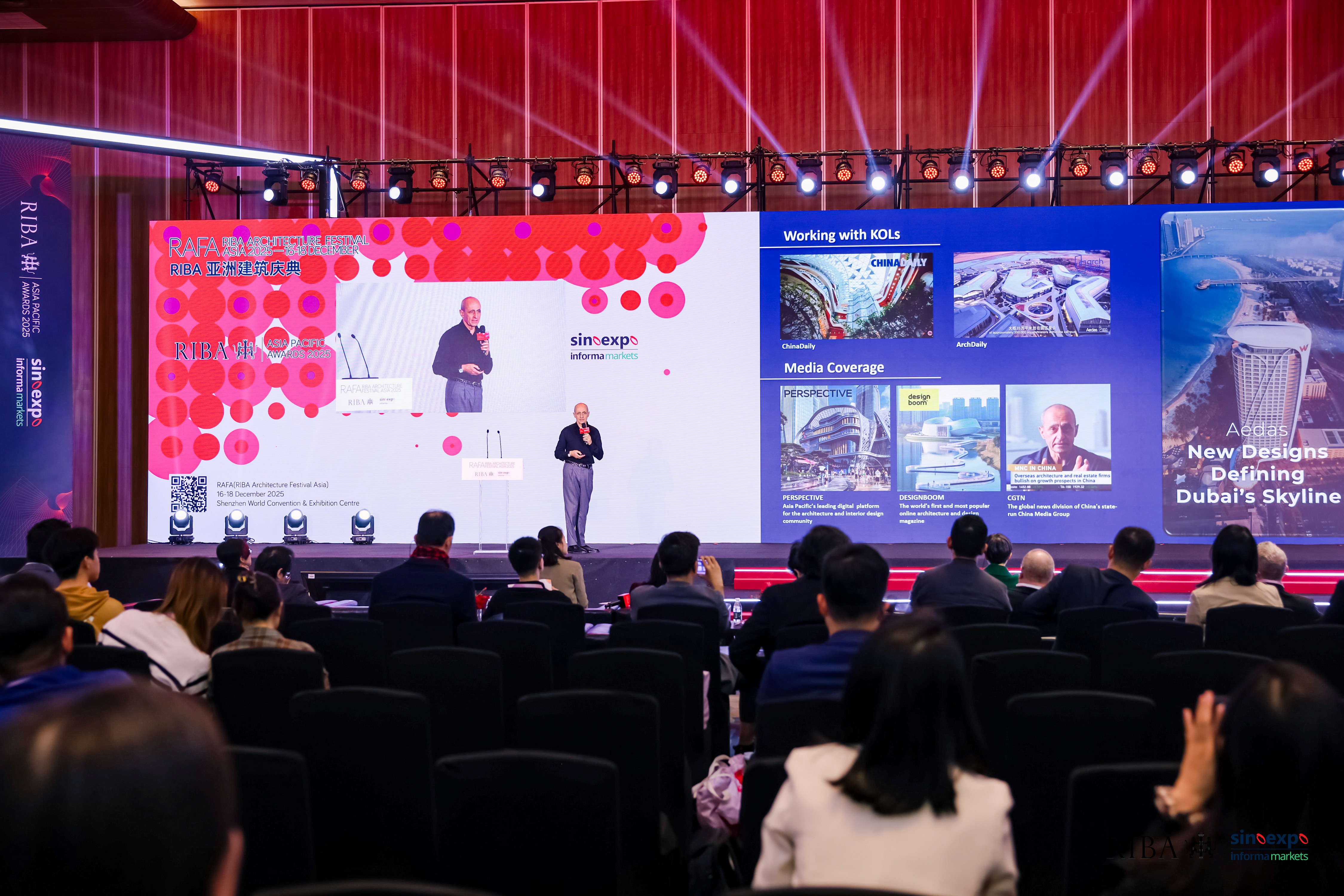
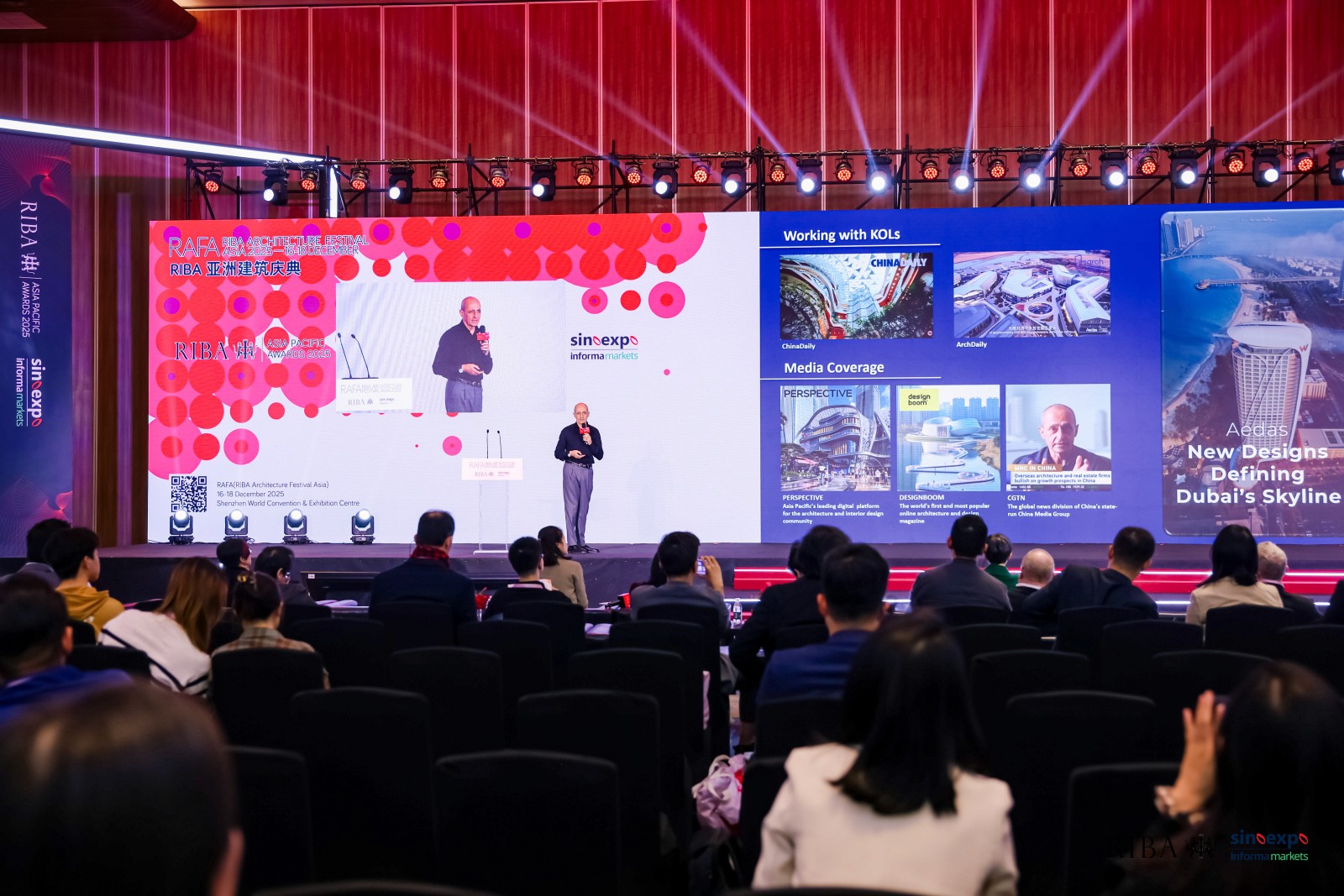
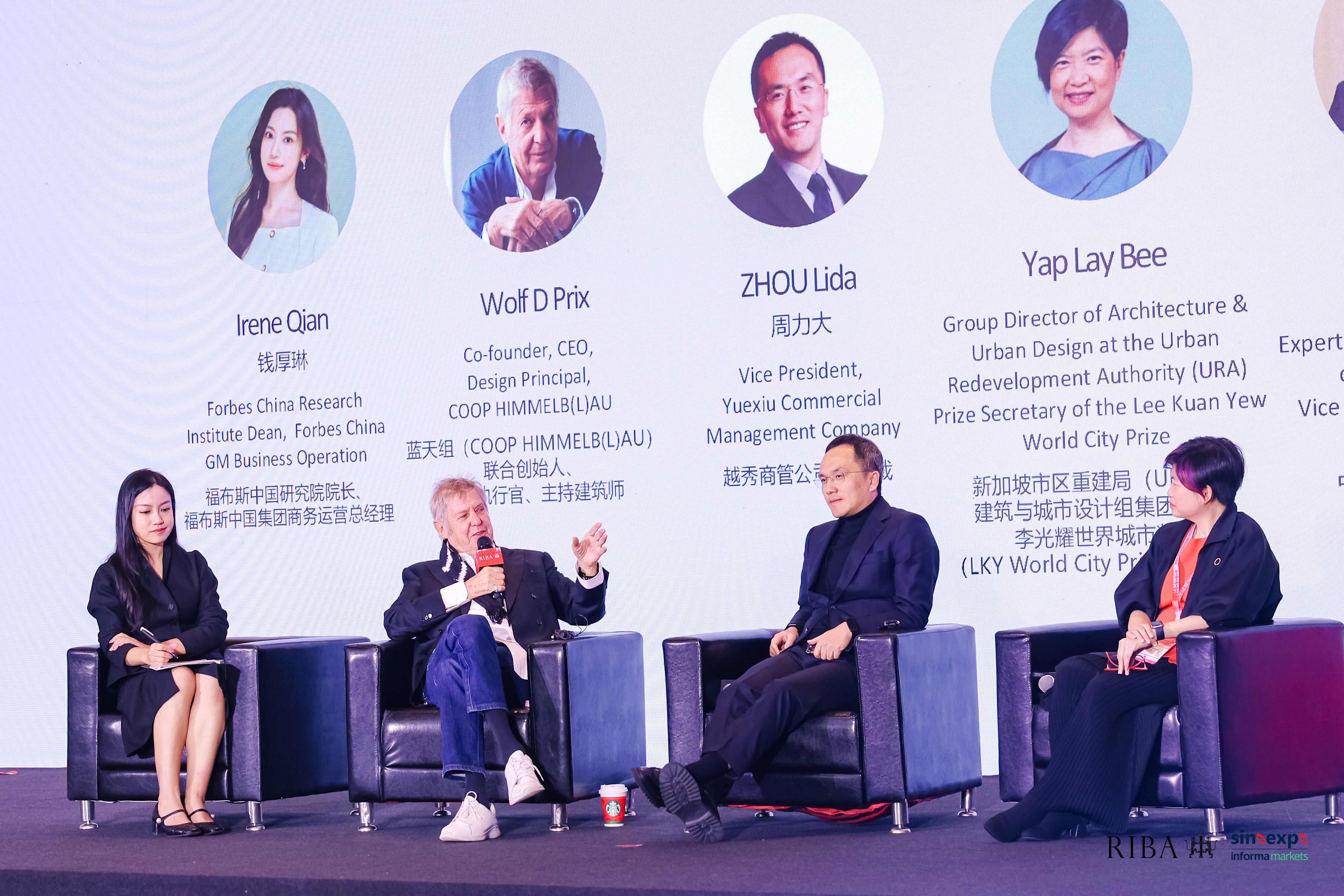
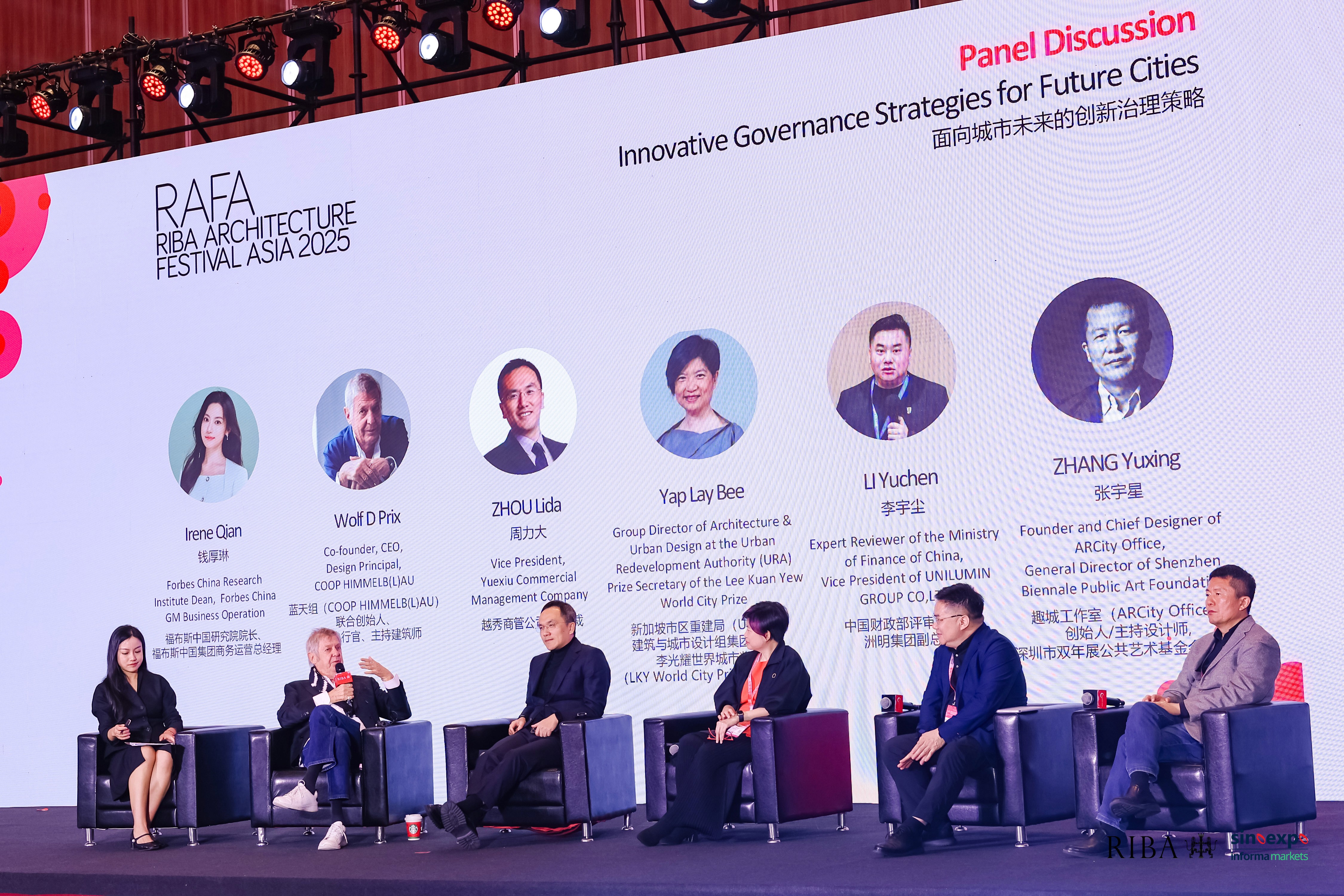
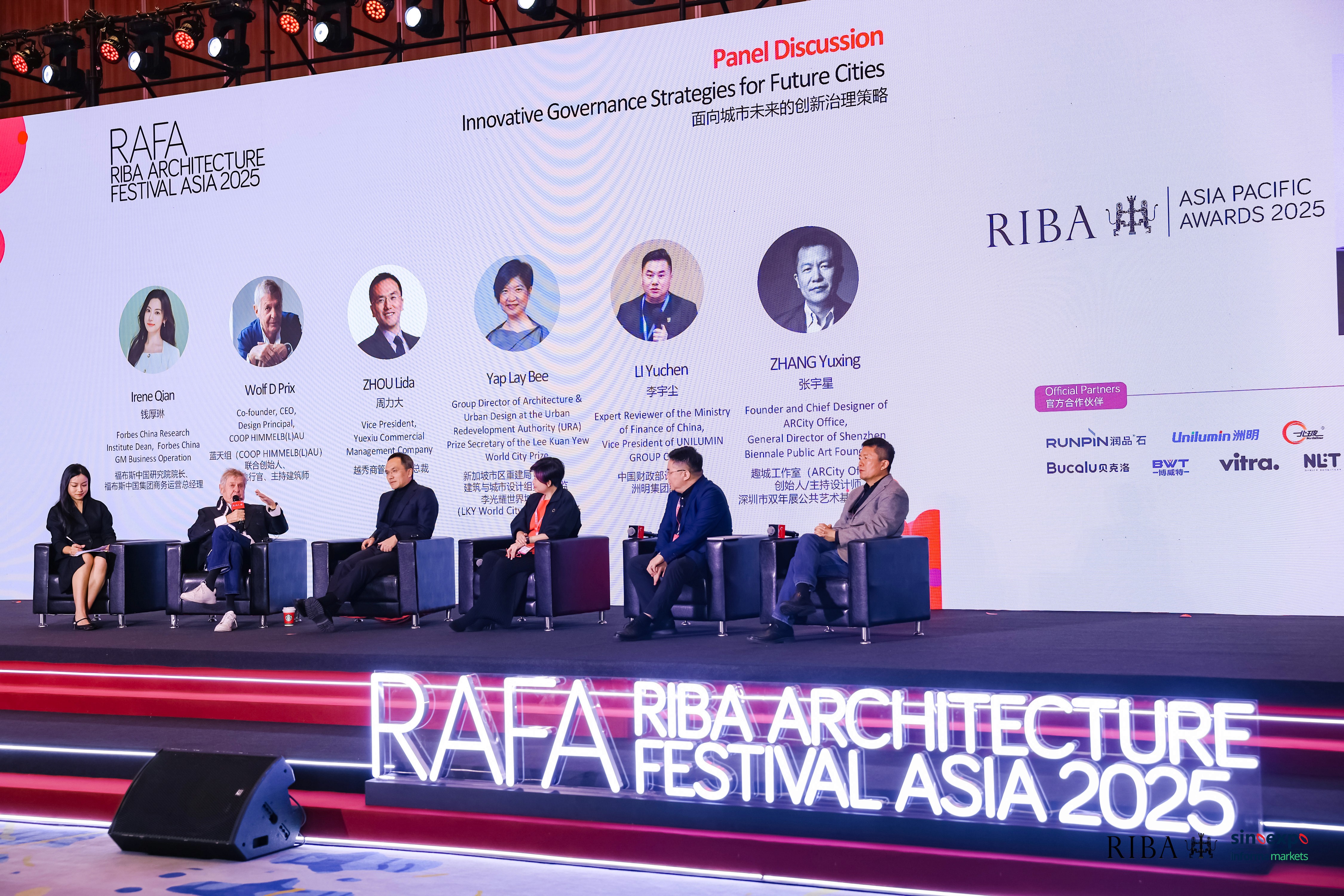
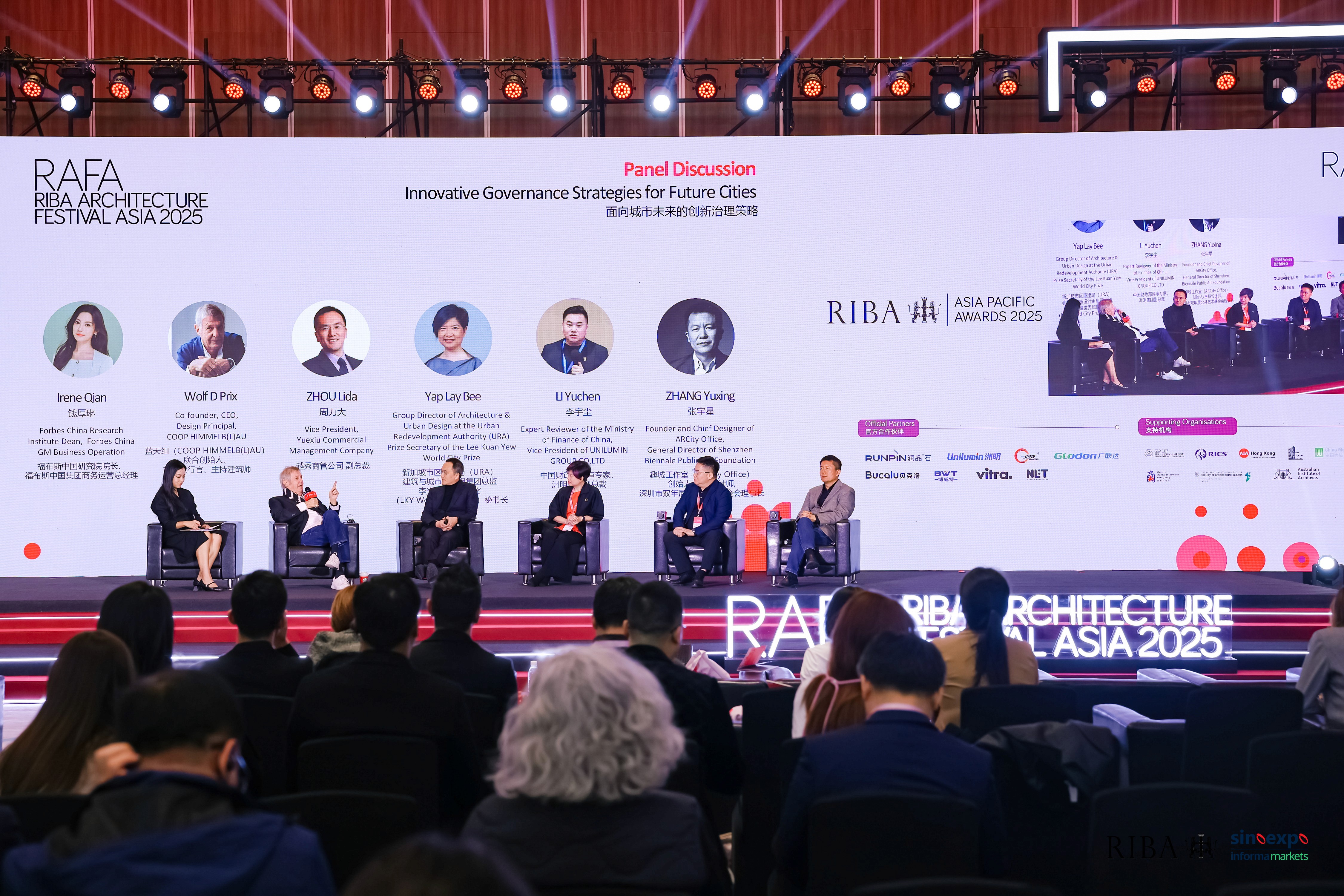
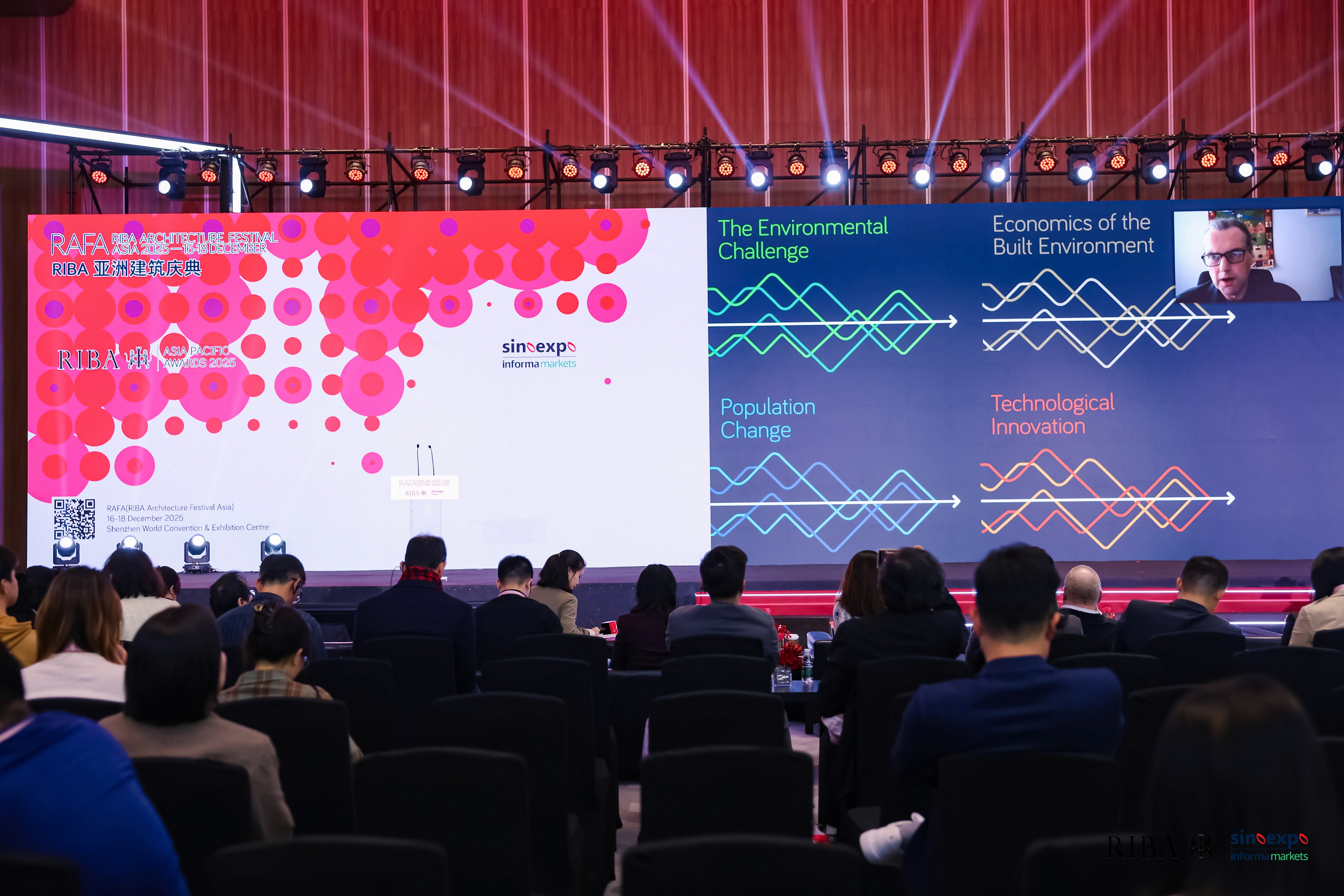
Chris Williamson, President of RIBA, deeply interpreted the "2025 RIBA AI Report" at this forum. This report brings together professionals from leading firms and technology companies such as AECOM, Autodesk, ADP, and Dataform Lab, as well as scholars from Lancaster University and London South Bank University. It surveys the feedback of nearly 500 RIBA members and accurately reflects the real thoughts of the industry today.
Data shows that currently, 59% of architectural firms have used AI tools in their projects. Among large firms, the usage rate is as high as 83%. In the design phase, 70% of firms use AI for preliminary visualization, and 58% for specification writing. In project management, nearly 90% of firms use AI to write reports, and more than half use it for tender document preparation. In terms of sustainability and performance optimization, from carbon footprint simulation to energy efficiency analysis, AI has become a key tool to address climate change challenges, making data-driven design an accessible reality.
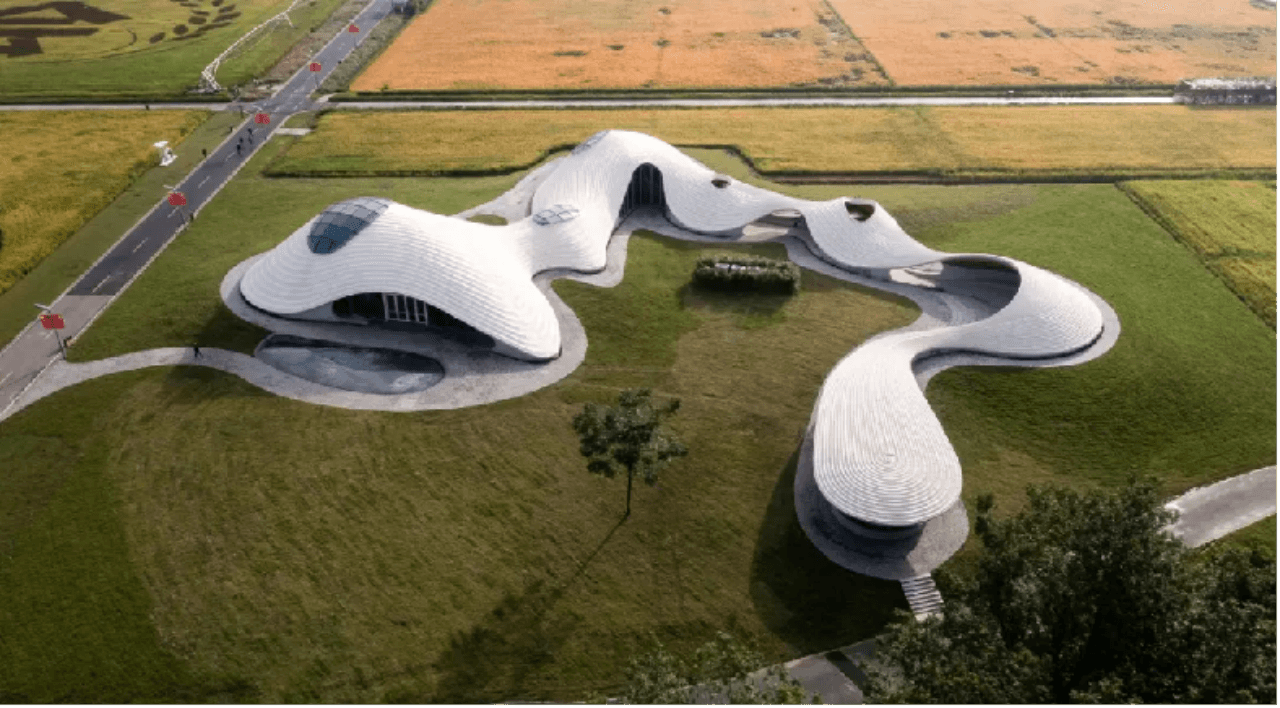
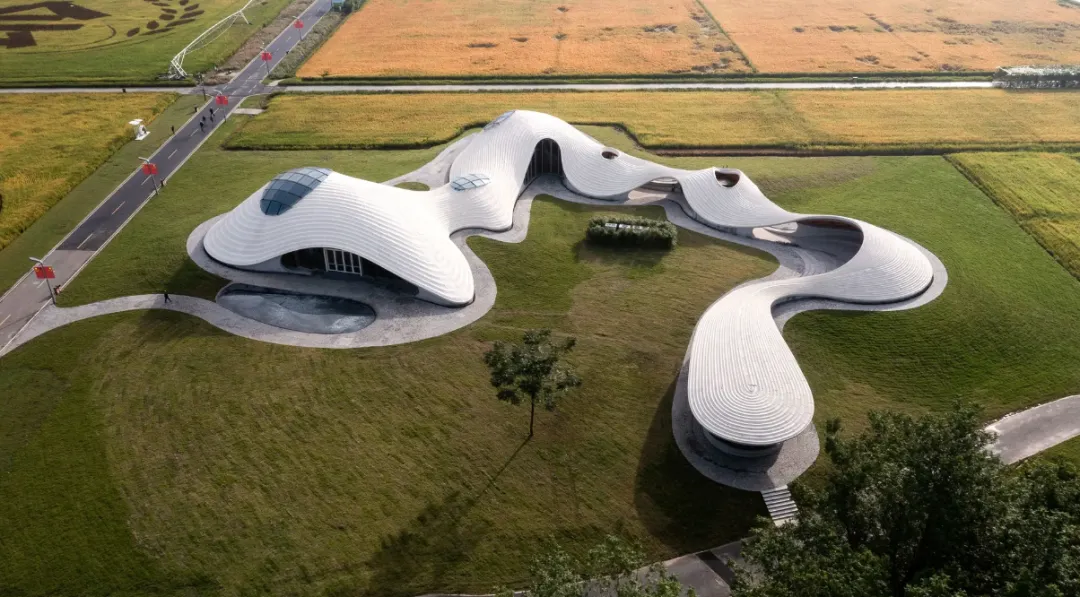
The Ruixue Multifunctional Pavilion, led by Prof. Yuan Feng’s team from the College of Architecture and Urban Planning, Tongji University, won the AI POWERED Award at the 2025 RIBA Asia Pacific Awards. The project adopts modified polymers for large-scale 3D printing; the customized digital workflow integrates structural analysis, module division, and robotic production, reducing the construction phase from 7 to 3; on-site assembly is guided by a total station, positioning steel ring beams and interlocking wood units with sub-millimeter precision.
Behind the technological carnival, we must maintain a cool vigilance. Dangers such as intellectual property rights, copyright ownership, ethical blind spots, data privacy, professional liability, including design errors that may be caused by AI hallucinations, are becoming the "Sword of Damocles" hanging over the industry.
In addition, we should pay more attention to the hidden erosion of AI on the younger generation of architects: excessive reliance on algorithm generation, ignoring the cultivation of professional qualities such as underlying logic, spatial perception, and material application, may lead to the loss of architects’ professional judgment when facing complex problems. We must clearly realize that architects are still the ultimate responsible parties.
Paul Commbs, Executive Director of the British Chamber of Commerce in Hong Kong
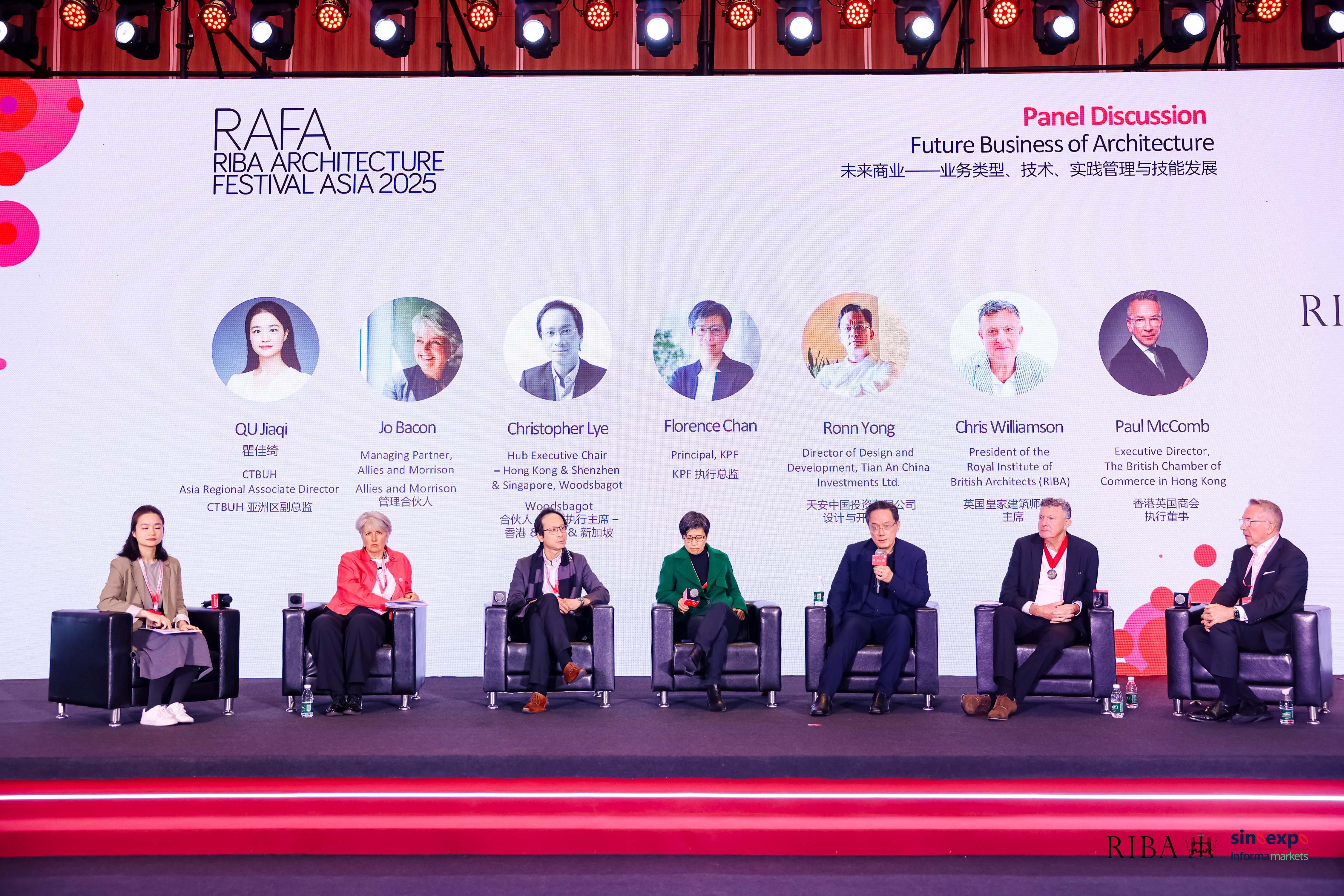
In just the past year, more than half of the over 200 events held in Hong Kong have discussed AI. Some people will redefine human irreplaceability by opposing AI. I think we are still in the phase of "learning by playing and using". I don’t think AI has been fully deployed, and I’m afraid no one is really ready for full-scale integration.
Yang Wenxiang, Design and Development Director of Tian An China Investments Company Limited
We can easily obtain in-depth information through AI. It is a good tool that can strengthen our thinking. But there is something incomparable — the human brain. We have intuition and emotions. Architectural creation requires that kind of artist-like intuition — "That is it!" This is still irreplaceable by AI.
Xiao Ran, PhD in Architecture from the University of Cambridge, Senior Research Fellow at the School of Architecture, Oxford Brookes University, Founder and CEO of Planarific
In the urban context, whether it is renovation of old buildings or new construction, architects have too many spatial combination methods to explore, and no AI can complete this independently. Design requires "trade-offs" and professional judgment. This judgment comes from the spatial practical experience accumulated by humans over thousands of years. As humans, we have an innate intuition for space — don’t let this knowledge be lost.
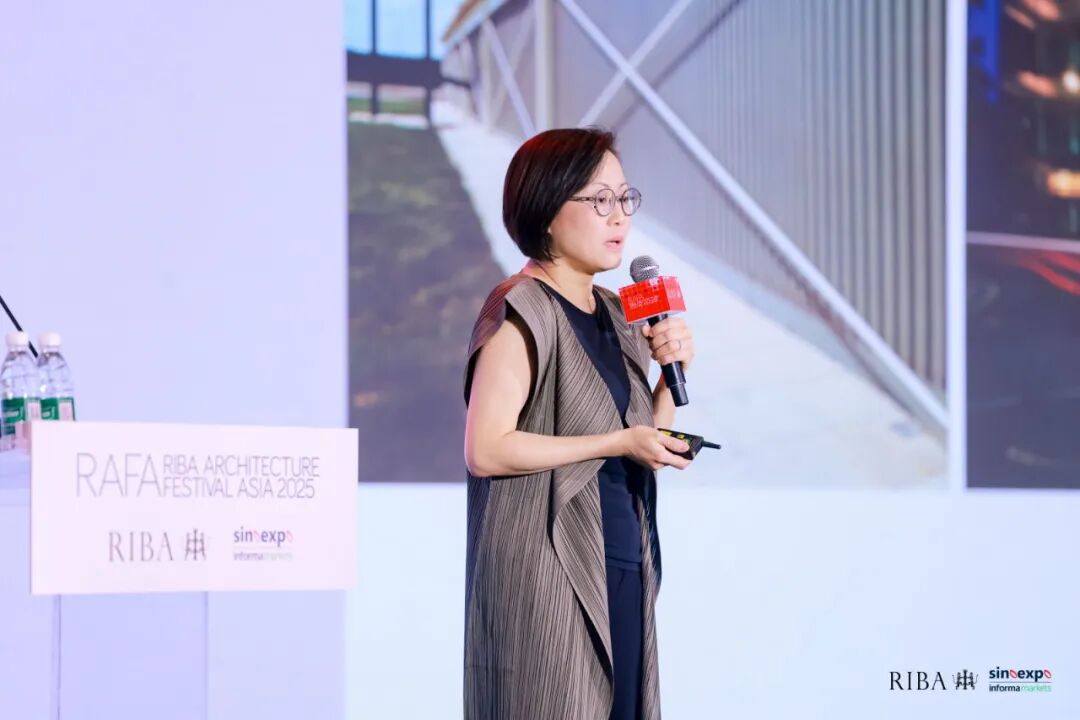
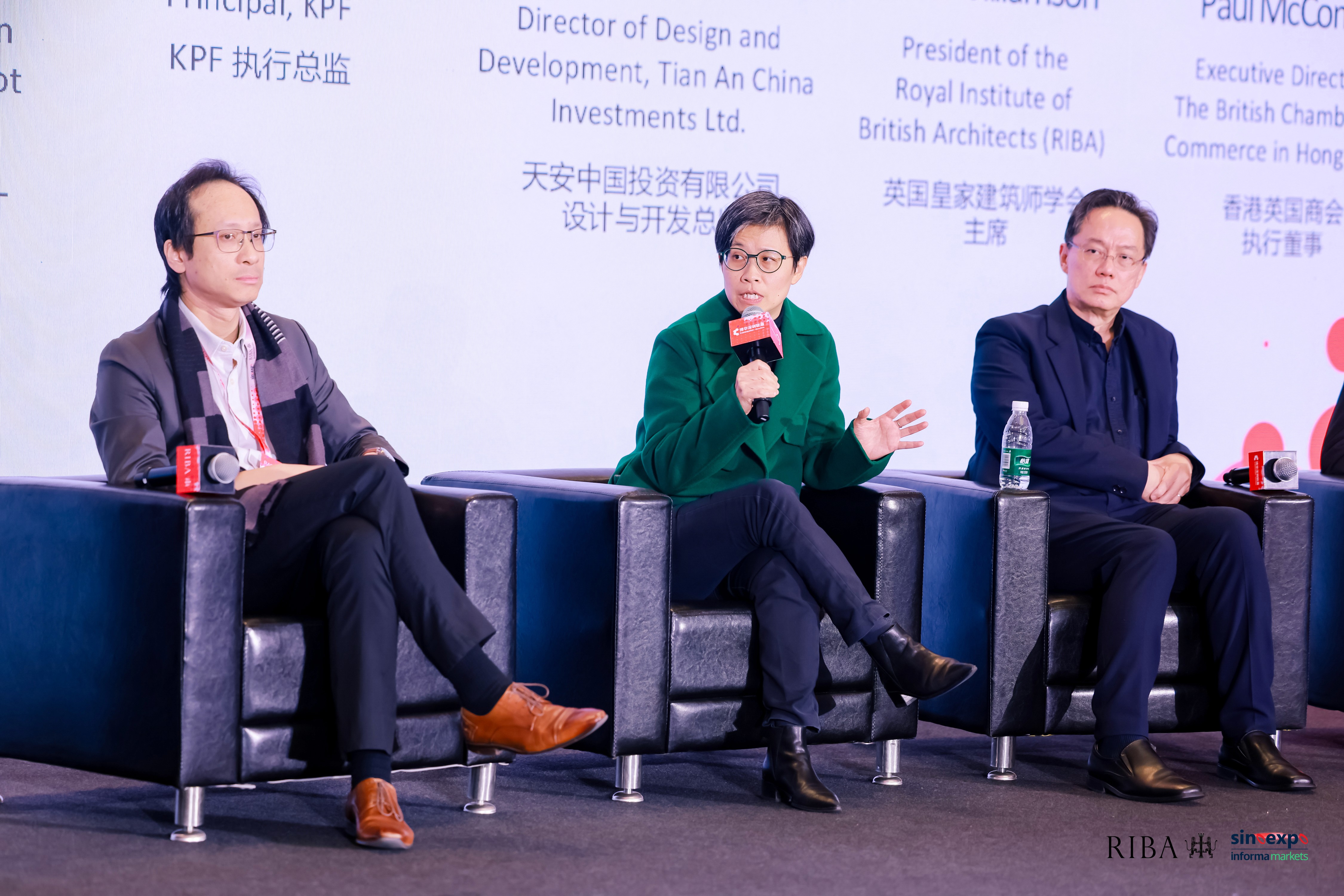
Florence Chan, Partner at KPF
As a tool, AI is different from the era when CAD replaced hand-drawing in the 1980s. AI is changing our way of thinking and production. Most of you here have also experienced the "pre-AI era", when we would learn and understand the underlying principles through specific methods. But the younger generation is born with AI, and some thinking processes will be lost.
Taking perspective drawing as an example, I now often see that the proportions of people in renderings are wrong, because no one draws by hand anymore to understand what perspective is and why the horizon line must be at a specific height. Therefore, school education becomes more important: they must learn principles and basic knowledge so that they can have basic judgment.
Yuan Feng, Vice Dean of the College of Architecture and Urban Planning, Tongji University
The key point now is not whether AI will replace architects, but that it will replace those architects who cannot use AI. In fact, the most important thing is to let AI deeply participate in the entire design process, but many people just directly apply existing large models to generate images.
In the future, the output of each design firm will no longer be just buildings, but should also include the design of supporting "toolkits". Correspondingly, we should not only teach students how to design buildings but also how to design their own toolkits and workflows.
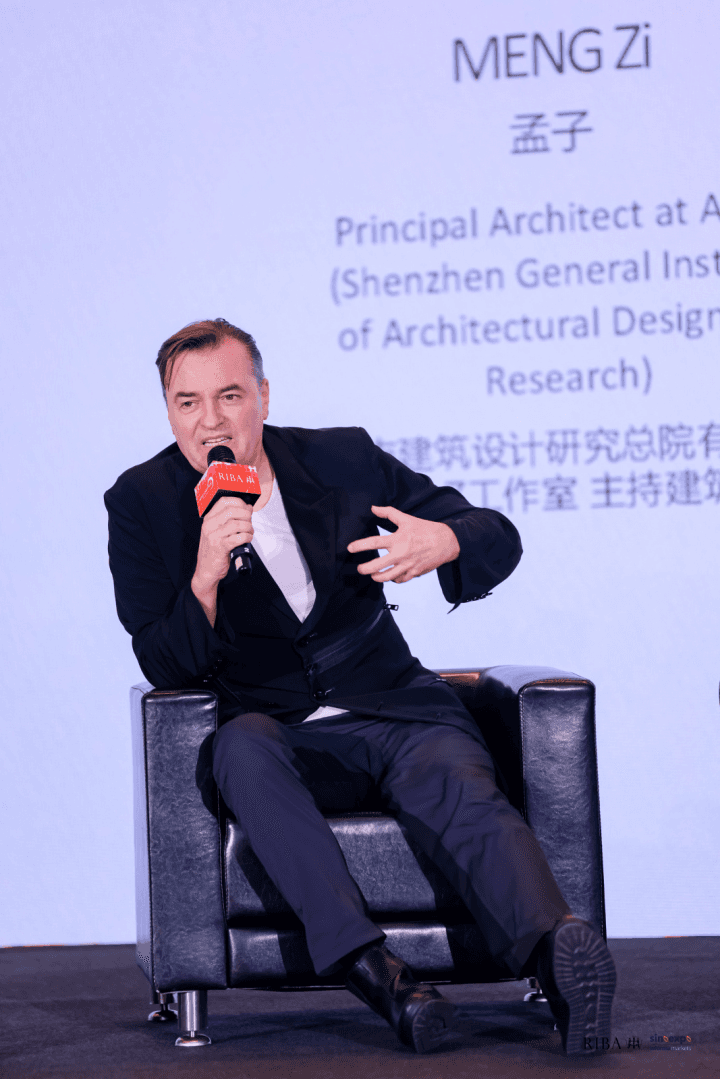
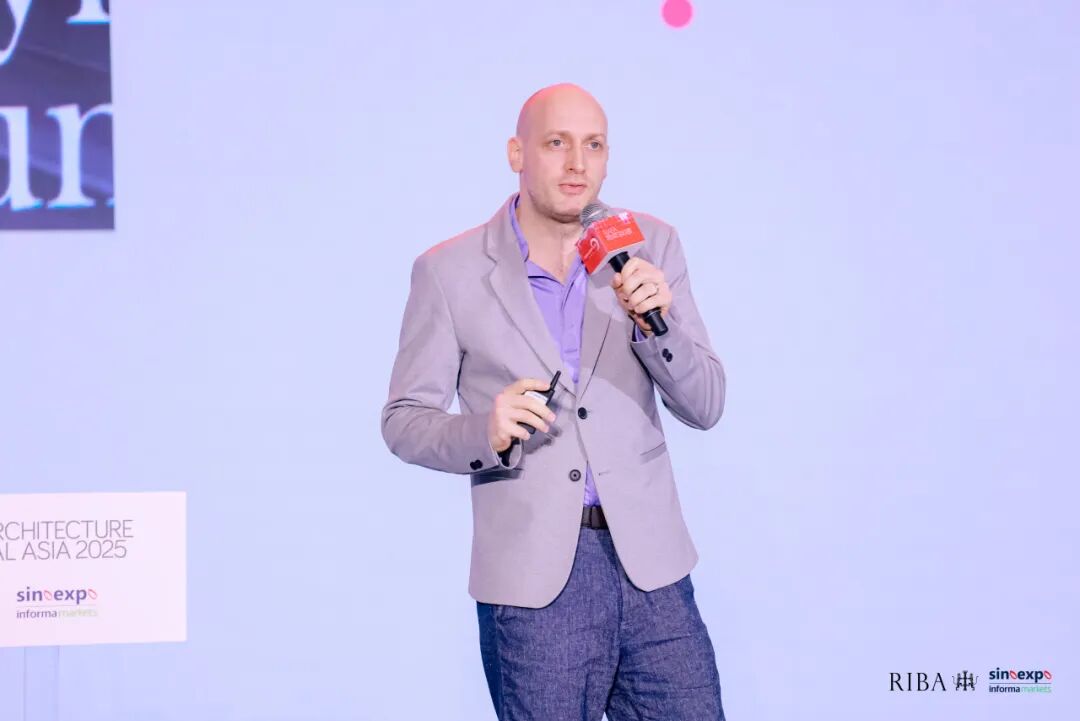
Patrik Schumacher, Chairman and Principal Architect of Zaha Hadid Architects
Don’t think that everyone can "pick up AI and run". Behind AI is nearly 30 years of arduous research, development, testing, and iteration. Now, large firms all have their own R&D teams, which was unimaginable in the past.
We still need more promoters. Like during the modernist movement, everyone participates to reshape the entire world. The improvement of development speed must be based on the support of the entire disciplinary ecosystem, and architects need to take the initiative.
Stephen Pimbley, Founder of SPARK Architects
AI has indeed given us an opportunity: to shift design from "passive response" to "forward-looking prediction". But no one seems to have discussed the "spatial typology of AI" — the huge "boxes" that drive intelligence and the billion-scale "brains" themselves are actually extremely unsustainable. We must first seriously examine the physical form of AI and its own logic.
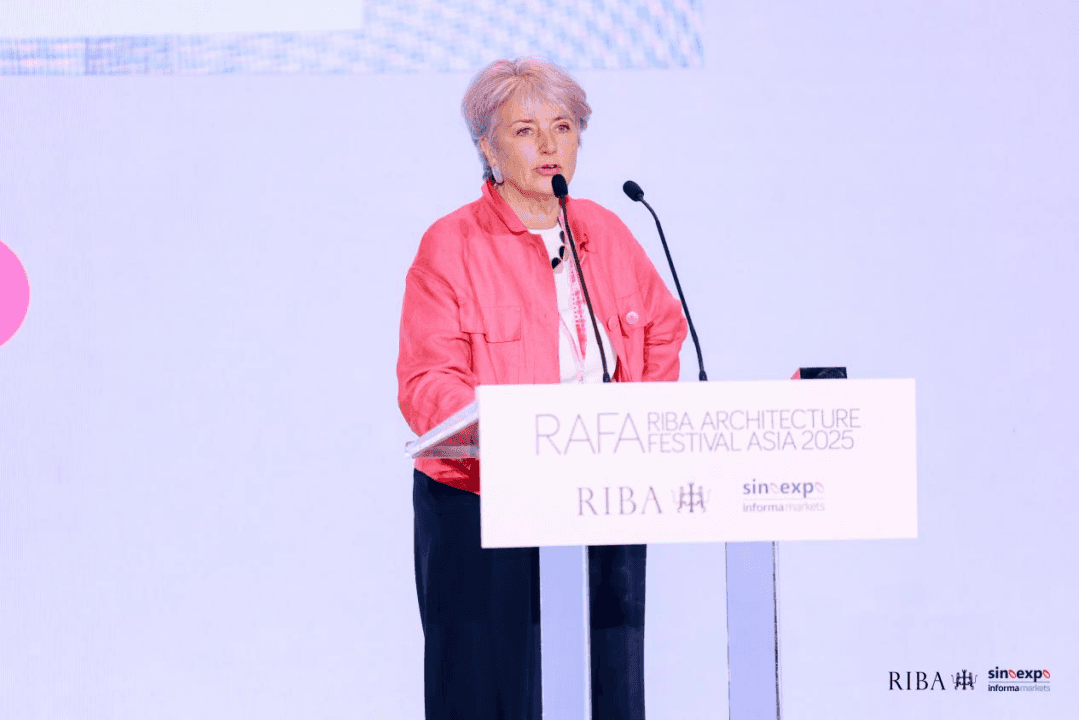
Jo Bacon, Managing Partner at Allies and Morrison
We are all enjoying AI; it gives us endless choices. But today, I was deeply moved by the paintings of Professor Peter Cook. The act of painting is essentially gaining time for thinking.
The danger is that when everyone is frantically producing with AI, will they really take time to think? I desperately hope that AI can do more boring things: tedious calculations, data processing, specification checks, compliance inspections... So that we can have more time to refine plans and enjoy architectural creation.

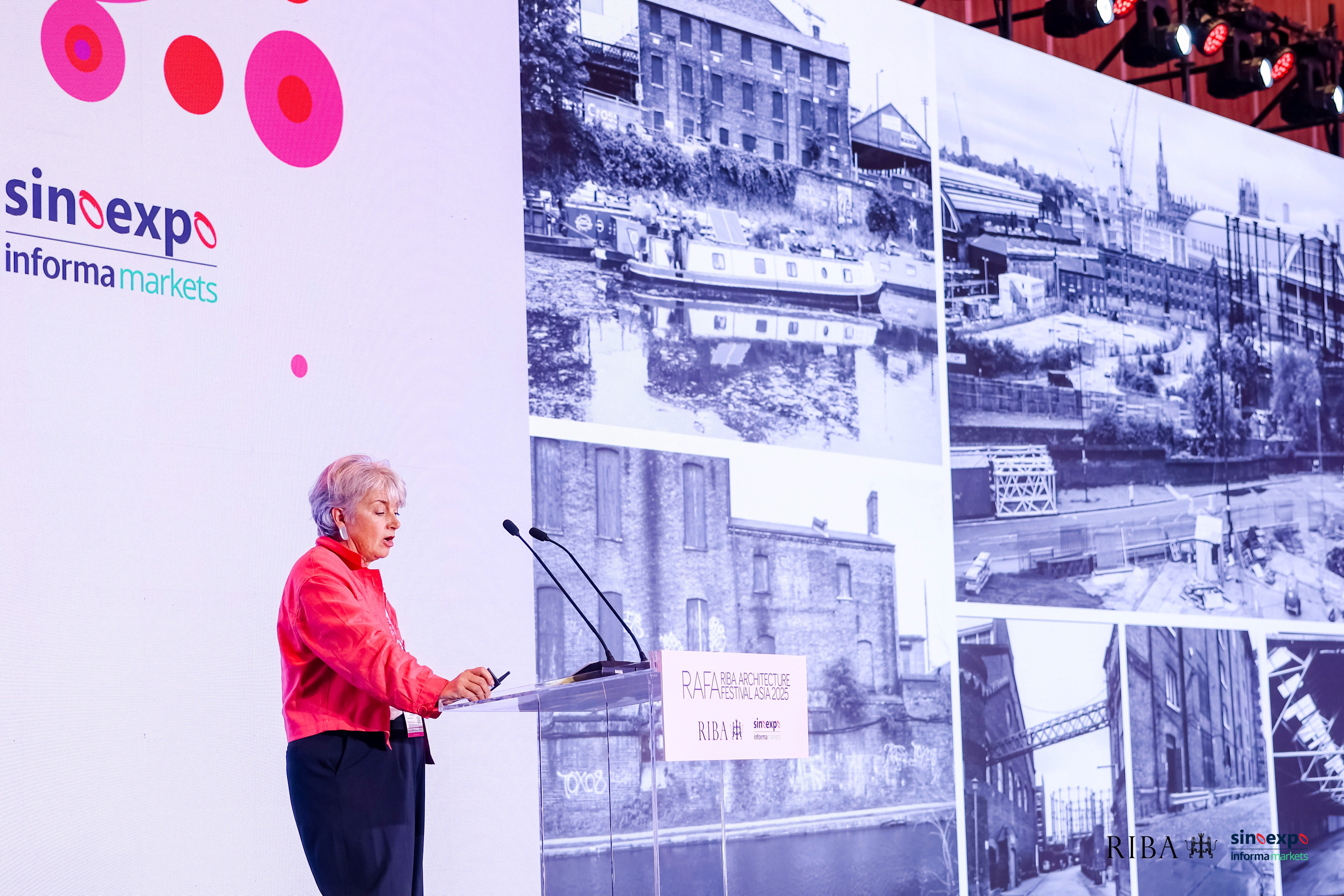
The FRUITY CITY series of paintings shared by Peter Cook shows a dynamic process from the aggregation of scattered elements to the leap of normal urban fragments, and finally extends on a large scale along the path of a three-dimensional city. Fruit-like architectural components slowly invade the space, capsule units are like organs hanging from branches, and huge windows covered with green plants form a brand-new "garden interface". The entire building seems to grow from the inside, forming an almost natural organic order.
Will AI replace architects? 95% of architects believe "the answer is no".
Although algorithms are evolving, human intuition, emotions, judgment, critical thinking, and profound insight into complex social contexts are still gaps that current AI cannot cross. AI helps us redefine the value of architects. We must maintain imagination and creativity, focus on the goals we want to achieve, and create buildings that respond to human needs and emotional resonance.
PART3 Toward a Human-Centered Urban Future
Go beyond sustainability and return to experience, demand and everyday
Today, our definition of healthy and livable has long transcended clean streets and complete facilities. An invisible network woven by cultural identity, community participation, and economic vitality has shifted the evaluation criteria from physical construction indicators to serving unforeseen needs and providing spiritual support for individuals in social and emotional dimensions.
Facing the current changes and evolution of population structure and needs, the core of a healthy city is care for "people". Design needs to be more flexible and resilient, and find a universal strategy that can cross differences in age, ability, and living conditions, thereby proposing more inclusive social solutions. In addition, "Embodied Carbon" generated during the construction process has long been an overlooked blind spot in ESG design. The key to sustainability lies in the transformation and reuse of the existing environment: by preserving rather than blindly demolishing and constructing new buildings, we can not only sequester the energy consumption and carbon emissions already generated but also avoid secondary pollution and resource waste caused by the demolition process, achieving true sustainability under realistic conditions.
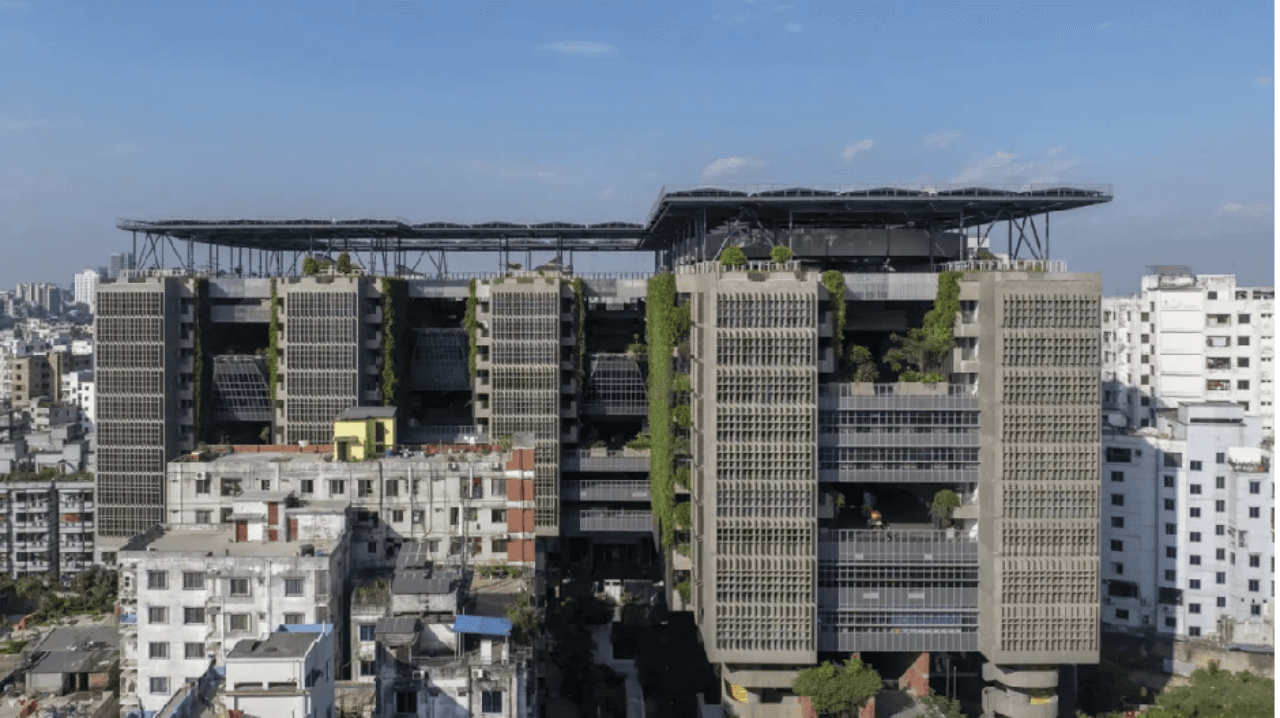
BRAC University in Bangladesh, designed by WOHA, won the Sustainability & Resilience Award at the 2025 RIBA Asia Pacific Awards. Architects transformed an abandoned landfill into a vibrant 170,000-square-meter academic and community center serving 20,000 students, integrating academic, public, and leisure functions across multiple floors. Based on tropical passive design principles, cross ventilation is achieved through horizontal air ducts aligned with the prevailing wind direction, reducing reliance on air conditioning and creating a comfortable learning environment.
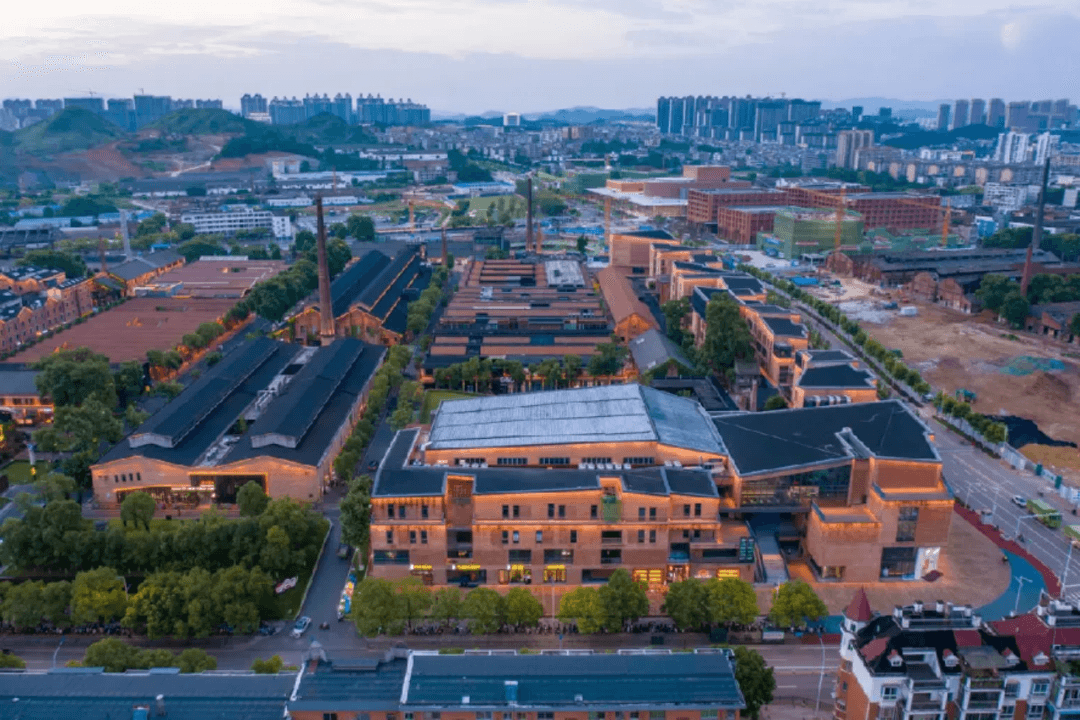
The Taoxichuan Ceramic Cultural and Creative Park, designed by Professor Zhang Jie, Beijing Huaqing Andi Architectural Design Co., Ltd., and Tsinghua Tongheng Urban Planning & Design Institute (THUPDI), won the 2025 RIBA Membership Award and the Adaptive Reuse & Urban Regeneration Award. The project reimagines two abandoned ceramic factories into a flexible, inclusive, and high-density urban system. It integrates adaptive reuse, infill development, public spaces, and creative industry infrastructure within a coherent framework. The project preserves nearly half of the original buildings, significantly reducing demolition waste.
China and even the global construction industry are at a critical turning point. Ten years ago, we were still in a stage of rapid development characterized by "super acceleration, super scale, and super volume"; today, people have begun to slow down and pay more attention to the quality and significance of urban space. When cities are examined within the framework of "people-oriented", and when space is no longer merely a container for functions, we can’t help but ask: what kind of services should cities truly provide for their residents?
The concept of sustainability must be embedded in the underlying logic of urban construction. Healthy and livable environments are not add-ons, but endogenous driving forces for urban evolution. Only through more delicate and caring designs can we respond to people’s most authentic yearning for a healthy life.
Stephen Pimbley, Founder of SPARK Architects
I have seen many types of buildings this time, but in fact, they are all "making places for people". Architecture should invite the public to enter with an open attitude. In this way, people not only admire the materials or appearance of the building itself but also celebrate the places and environments it creates, feeling happy and comfortable. This is a key point I look for in my own works and when reading others’ designs.
Heng Chye Kiang, Vice Dean of the College of Design and Engineering, National University of Singapore
We are committed to creating a livable environment suitable for all age groups — for the elderly with limited mobility, they spend no more than 10% of their time outdoors, with an activity radius of only 50-200 meters. Cities need to create accessible social spaces for the elderly. If a space is friendly to the elderly over 65, it will be friendly to everyone.
Garett Hwang, Director of UNS
Architects are not only designing a business model for developers but also finding a balance between "economic returns" and people’s "real needs". The definition of success should not only be creating "new" things but also paying attention to real practical needs and caring for those who are not written into the brief.
Zhuang Ziyu, Founder and Principal Architect of Ziyu Zhuang Studio
I visited a baby rice flour factory with an investment of 1.2 billion yuan. Unfortunately, it closed after only operating for more than two years due to the rapid decline in the birth rate leading to market shrinkage. Now it has been bought by another enterprise and transformed into an experiential creative park, adding new formats such as bars, experiences, and hotels, forming a new humanistic narrative.
The sustainability of Chinese architecture may not depend entirely on technical indicator certifications such as LEED or DGNB, but more on the operation’s allocation of formats and the space’s own growth potential. This ability to evolve with the iteration of needs is the most authentic sustainability.
Hao Lin, Senior Director of Oval Partnership Limited; Winner of the 2012 RIBA International Award
The problem now is that most eco-friendly buildings are not attractive in appearance. We need to combine low-carbon technology with spatial experience, making the space both ecological and vivid.
Chitra Vishwanath, Senior Architect and Managing Director of Biome Environmental Solutions
Cities always ignore two huge spatial energy levels: underground and rooftops, but they hold core potential to address issues such as climate comfort, water resource security, material use, and human well-being... A healthy city should not be trapped by the grand narrative of "skyline", but should depend on how it supports the healthy growth of all life on the ground, underground, and between them.
PART4 Seeing "Her" in the Industry
While addressing the explicit challenges of the future, this Asia Architecture Festival also turns its attention to the implicit but undeniable issue of gender equality in the industry. Studies have clearly shown that in organizations without gender barriers, we can achieve higher productivity, stronger innovation capabilities, better decision-making quality, and lower talent turnover rates... A fair structure itself can unlock greater potential.
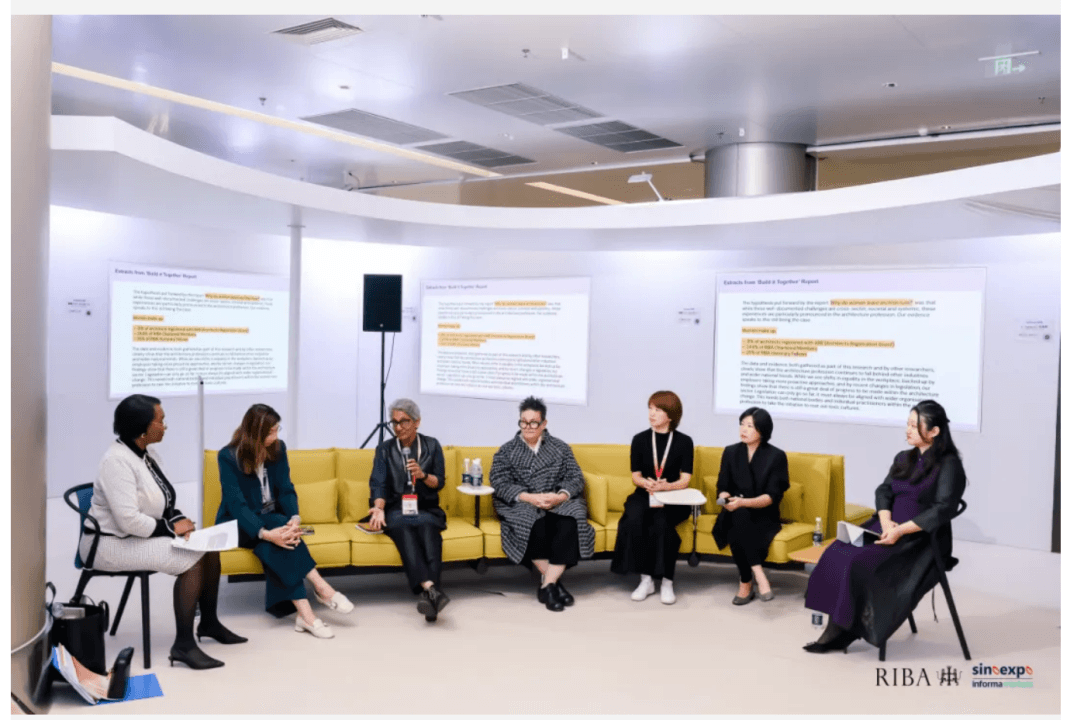
During the festival, in the forum discussion "She Is an Architect", guests mentioned the real situation of female architects: even with higher education and qualifications, it is still difficult to obtain matching positions; they lack due respect at construction sites; once they take on family responsibilities, they are deemed "no longer suitable for more intensive or critical work"... Due to hidden barriers in career advancement, work mechanisms based on male experience as the default premise, and a single evaluation mechanism for working hours and role investment, a large number of women continue to leave the industry.。
The significance of the discussion is not to repeatedly emphasize the inequality suffered by female architects, but to try to put these issues that have long been regarded as "personal choices" back into the structural and institutional level for examination. Truly effective changes do not rely solely on individuals, but need to be promoted jointly from the aspects of evaluation systems, firm structures, childcare and care support, and male participation, to create a more inclusive and fair industry environment.
Although the RAFA Asia Architecture Festival has just ended, the discussion on the future of Asian architecture has never stopped. In the complex and changing context of Asia, architecture is undergoing a profound value calibration — from expansion to quality, from grand narratives to daily experiences, and from technical demonstrations to real care for people. Perhaps the future of Asian architecture Interview/Written by: Liu Zhangyue, Yang Ye
Design: yuyuweiwen
Editor: Yang Ye
Image courtesy of RIBA